
Поворотные подшипники являются основными вращающимися компонентами строительной техники, подъемное оборудование, генераторы ветряных турбин, и большие станки, а их производительность напрямую влияет на безопасность оборудования и эффективность производства. Однако, поломка зубьев – частая проблема после длительного использования, что приводит не только к простою оборудования, но и к потенциально высоким затратам на техническое обслуживание.. Так, почему поворотные подшипники ломают зубы? И как это можно предотвратить с научной точки зрения?? В этой статье будет представлен систематический анализ.
Основные причины поломки зубьев поворотного подшипника
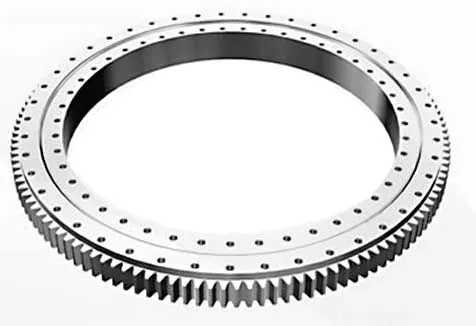
1. Операция перегрузки
Поворотные подшипники рассчитаны на номинальный диапазон нагрузок.. Перегрузка вызывает концентрацию напряжений на поверхности зуба., ускоряет усталость материала и в конечном итоге приводит к поломке зубьев. Это особенно актуально для кранов или больших экскаваторов., где неправильная эксплуатация создает очень высокий риск перегрузки.
2. Неправильная смазка
Недостаточная смазка или некачественное смазочное масло приводит к прямому контакту металла с металлом между поверхностями зубьев., повышенное трение, локальное повышение температуры, и быстрый износ шестерен. Пренебрежение смазкой в течение длительного периода является основной причиной поломки зубьев..
3. Проблемы установки и настройки
Точность установки поворотного подшипника напрямую влияет на состояние зацепления шестерни.. Неравномерная установка или предварительная нагрузка могут привести к неравномерному напряжению шестерни и чрезмерному локальному напряжению., легко вызвать повреждение поверхности зуба или даже поломку зуба.
4. Дефекты материала и термической обработки
Недостаточная сила, твердость, обработка поверхности зубчатой стали может легко привести к образованию микротрещин в условиях высоких напряжений., в конечном итоге приводит к поломке зубов из-за длительного накопления. Неравномерная цементация или недостаточная закалка также являются распространенными скрытыми опасностями..
5. Суровая операционная среда
Высокие температуры, пыль, и агрессивные среды могут ускорить износ или коррозию поверхности зуба., уменьшить несущую способность, и увеличивают риск поломки зубов.
Меры научной профилактики поломки зубьев поворотного подшипника
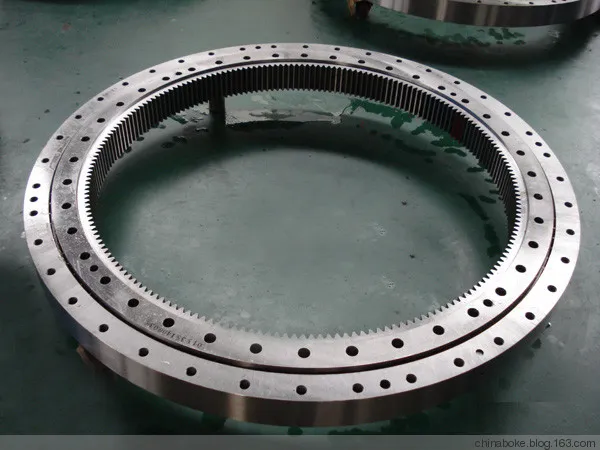
1. Строгий контроль нагрузки
Убедитесь, что оборудование работает в пределах расчетного диапазона нагрузок и избегайте частых перегрузок.. Для высоконагруженной техники, для увеличения запаса прочности можно выбрать поворотные подшипники с более высокими номинальными нагрузками..
2. Оптимизация схемы смазки
Используйте смазку, соответствующую техническим характеристикам, и регулярно проверяйте уровень и качество масла, чтобы обеспечить достаточную смазку поверхности зубьев.. Для тяжелонагруженного или высокоскоростного рабочего оборудования, рассмотрите возможность использования циркуляционной системы смазки для улучшения защиты поверхности зуба..
…
Более подробную информацию о причинах и профилактике перелома зуба поворотного подшипника см., пожалуйста, нажмите, чтобы посетить: https://www.mcslewingbearings.com/a/news/causes-and-preventive-measures-for-broken-teeth-in-slewing-bearings.html

