
Graphite crucibles are essential tools in high-temperature applications such as metal melting, химическая обработка, и лабораторный анализ. Однако, their high initial cost and frequent replacement needs often drive users to seek more sustainable and economical solutions. Recycling and reconditioning graphite crucibles not only reduce waste but also significantly lower operating expenses. Understanding the available options and their respective benefits is critical for making informed procurement decisions. This article provides a comprehensive analysis of graphite crucible recycling and reconditioning processes, with practical insights from industry leader Cangzhou Carbon.
Understanding the Lifecycle of Graphite Crucibles
Graphite crucibles naturally degrade over time due to thermal cycling, окисление, chemical erosion, и механическое напряжение. Typical indicators that a crucible needs recycling or reconditioning include visible cracks, питтинг, износ подставки для ног и износ спинки сиденья, or a reduction in thermal conductivity. Recognizing these signs early can prevent contamination of melts and avoid production downtime. The lifecycle varies by application, but most crucibles can be serviced multiple times before final disposal.
Key Options for Graphite Crucible Recycling
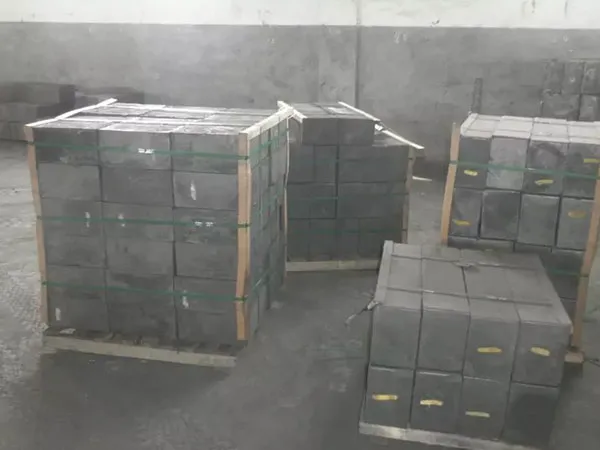
Material Recovery Process
Recycling involves crushing spent crucibles, removing metal and slag contaminants, and processing the graphite powder for reuse. High-quality recycled graphite can be repurposed for manufacturing new crucibles, refractory bricks, or lubricant additives. Cangzhou Carbon employs advanced separation techniques to ensure recovered graphite purity exceeds 98%, meeting the standards for secondary applications.
Environmental and Economic Benefits
- Reduces raw material extraction by up to 60%.
- Lowers carbon footprint compared to virgin graphite production.
- Cost savings of 30–50% over purchasing new crucibles.
Reconditioning: Extending Crucible Service Life
Reconditioning focuses on repairing and restoring used crucibles to near-original condition. It is most effective when crucibles show minor damage but still have sufficient wall thickness and structural integrity.
Typical Reconditioning Steps
- Inspection and cleaning: Remove residual metals and slag using mechanical or chemical methods.
- Crack repair: Fill surface cracks with a specialized graphite-based patching compound, then cure at controlled temperatures.
- Resurfacing: Machine the interior and exterior to restore dimensional accuracy.
- Anti-oxidation treatment: Apply a protective coating to extend future service life.
The success of reconditioning depends on the crucible’s original quality and the skill of the service provider. Cangzhou Carbon offers a comprehensive reconditioning program with a performance guarantee, ensuring that reconditioned crucibles achieve at least 80% of the lifespan of new ones.
…
For more detailed information on graphite crucible recycling and repair solutions, пожалуйста, нажмите здесь: https://www.czgraphite.com/a/news/crucible-recycling-options.html

