
Понимание ваших требований к материалам и полосам
Прежде чем оценивать типы мельниц, определите конкретные характеристики металлической полосы, которую вы собираетесь обрабатывать. Ключевые параметры включают:
Тип материала и режим деформационного упрочнения
Мягкие металлы, такие как медь, алюминий, и латунь ведут себя иначе, чем более твердые сплавы, такие как нержавеющая сталь., титан, или суперсплавы на основе никеля. Например, нержавеющая сталь требует более высоких усилий прокатки и более точного контроля зазора для поддержания плоскостности.. Скорость наклепа влияет на количество необходимых проходов и выбор жесткости фрезы..
Размеры и допуски полосы
Укажите входную толщину, окончательная толщина, ширина полосы, и приемлемое изменение толщины (например, ±0,001 мм). Применение прецизионных полос, например фольги для аккумуляторов., компоненты медицинского оборудования, или электронные разъемы — требуют чрезвычайно жестких допусков. Кластерный стан с 20 валами обычно обеспечивает лучшую однородность толщины, чем стан с 2 или 4 валами на тонких полосах..
Объем производства и гибкость
Малый объем, Высокосортное производство выигрывает от станов с системами быстрой смены валков и гибкими графиками проходов.. При непрерывной обработке больших объемов могут быть предпочтительнее станы-тандемы или одноклетевые реверсивные станы с автоматическим управлением.. Определите требуемую пропускную способность в тоннах в час или метрах в минуту..
Ключевые типы прокатных станов для прецизионной полосы
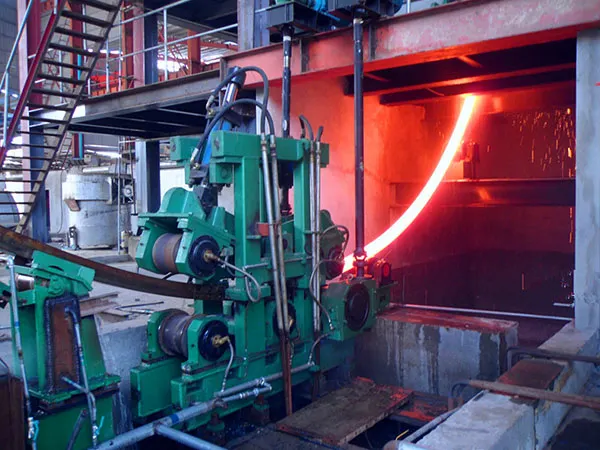
Каждая конфигурация мельницы предлагает определенные преимущества. В таблице ниже приведены основные типы.:
2-Высокопрокатные станы
- Плюс: Простой дизайн, низкая первоначальная стоимость, простота обслуживания.
- Минусы: Ограниченная возможность производить очень тонкие калибры.; большее отклонение валков приводит к менее равномерной толщине по ширине.
- Лучше всего для: Горячая прокатка или первоначальный проход более толстой полосы, приложения с некритическими допусками.
…
Подробнее о том, как выбрать прокатный стан для прецизионной обработки металлических полос, пожалуйста, нажмите здесь:https://www.gyssljx.com/a/news/rolling-mill-guide.html

