
А сварочный позиционер значительно повышает эффективность сварки, качество, и безопасность за счет вращения и наклона заготовок в оптимальное для сварщика положение.. Выбор подходящего варианта требует тщательного рассмотрения ваших конкретных потребностей и проектов..
Как выбрать сварочный позиционер
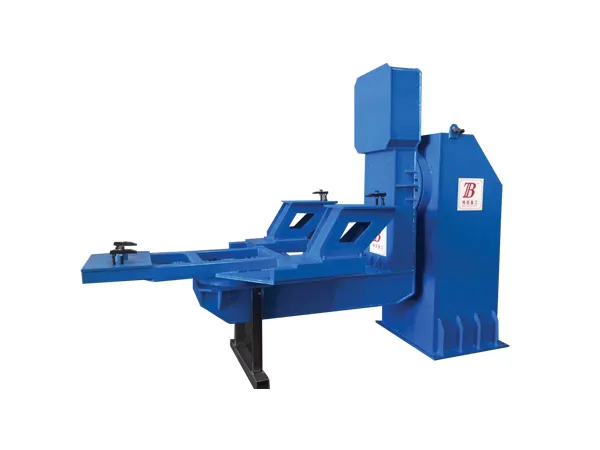
1. Грузоподъемность:
Что это такое: Это максимальный вес, который позиционер может безопасно и эффективно выдержать при вращении и наклоне.. Это, пожалуй, самый критический фактор.
Как определить свою потребность:
Взвесьте самую тяжелую заготовку: Используйте масштаб или ознакомьтесь со спецификациями проекта..
Фактор крепления: Укажите вес любых приспособлений, зажимы, или инструмент, используемый для крепления заготовки к позиционеру.
Добавьте запас прочности (существенный!): Завышайте свой требуемый вес как минимум 20-30%. Это объясняет возможные неточности., будущие более тяжелые проекты, и продление срока службы оборудования. Лучше иметь слишком большую мощность, чем недостаточную.
Последствия недооценки:
Повреждение позиционера: Преждевременный износ двигателей., шестерни, и подшипники.
Нестабильная работа: Резкие движения, трудности с сохранением положения, и потенциальные чаевые.
Угроза безопасности: Риск падения заготовки или причинения травмы..
Типы грузоподъемности: Позиционеры имеют два общих номинала грузоподъемности.:
Горизонтальная грузоподъемность: Максимальный вес, который можно выдержать, когда стол находится в горизонтальном положении. (0 градусный наклон). Обычно это максимальная грузоподъемность..
Вертикальная грузоподъемность: Максимальный вес, который можно выдержать, когда стол находится в вертикальном положении. (90 градусный наклон). Обычно это меньше, чем горизонтальная нагрузка, поскольку консольная нагрузка создает большую нагрузку на систему..
Ключевой вывод: Точно рассчитывайте общий вес и всегда добавляйте запас прочности, чтобы обеспечить безопасную и надежную работу..
2. об/мин (Скорость вращения):
Что это такое: Это относится к скорости вращения стола позиционера., измеряется в оборотах в минуту (об/мин).
Как определить свою потребность:
Сварочный процесс: Различные процессы сварки требуют разной скорости.. Например:
GTAW (ТИГ) & ГМАВ (МНЕ) на тонких материалах: Часто требуются более высокие обороты для более быстрого, более стабильные сварные швы.
СМАВ (Палка) & ПИЛА (Сварка под флюсом) на толстых материалах: Обычно требуются более низкие обороты для более медленных, контролируемое осаждение.
Диаметр заготовки: Заготовки меньшего диаметра требуют более высоких оборотов в минуту для достижения желаемой скорости поверхности для сварки.. Заготовки большего размера требуют более низких оборотов в минуту..
Желаемая скорость движения: Подумайте, с какой скоростью вы хотите, чтобы сварочный шов двигался.. Число оборотов в минуту напрямую зависит от скорости движения.. Более медленные обороты приведут к более медленной скорости движения.. Более высокая частота вращения приведет к более высокой скорости движения..
Навыки оператора: Опытные сварщики могут предпочесть более высокие скорости вращения., в то время как новички могут выиграть от более медленного, более контролируемые движения.
Регулируемая частота вращения имеет решающее значение: Ищите позиционеры с регулируемой скоростью, чтобы точно настроить вращение в зависимости от конкретного применения.. Рассмотрите широкий диапазон оборотов для максимальной универсальности..
Ключевой вывод: Учитывайте свой сварочный процесс, размер заготовки, и желаемую скорость перемещения, чтобы определить подходящий диапазон оборотов для вашего позиционера.. Настоятельно рекомендуется использовать плавную регулировку скорости..
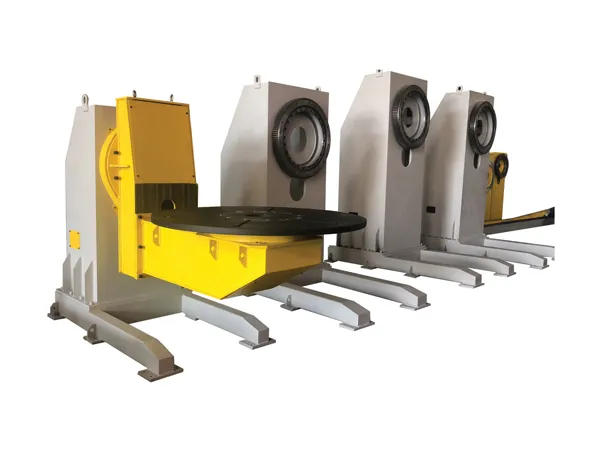
3. Угол наклона:
Что это такое: Это относится к диапазону углового перемещения, которого может достичь стол позиционера.. Измеряется в градусах от горизонтали (0°) в вертикальный (90°) или за его пределами.
Как определить свою потребность:
Геометрия заготовки: Сложные формы и многогранные сборки часто требуют более широкого диапазона угла наклона для удобного доступа ко всем сварным соединениям..
Требования к позиции сварки: Некоторые правила или спецификации сварки могут диктовать определенные положения сварки. (плоский, горизонтальный, вертикаль, наверху). Угол наклона должен быть достаточным для достижения этих положений..
…
Более подробную информацию о выборе сварочного позиционера см., пожалуйста, нажмите здесь: https://www.bota-weld.com/en/a/news/load-capacity-rpm-and-tilt-angle.html

