
Сварочные вращатели для башен играют решающую роль в изготовлении башен ветряных турбин., там, где точность и стабильность напрямую влияют на качество сварки и безопасность работников. Среди всех компонентов, механизм блокировки является первой линией защиты от непреднамеренного вращения, проскальзывание нагрузки, или катастрофический провал. Понимание того, как работают эти системы запирания и что отличает надежную конструкцию от рискованной, необходимо для любой операции, в которой ценятся как производительность, так и защита персонала.. В этой статье рассматриваются инженерные принципы, лежащие в основе запирающих механизмов в башенных сварочных вращателях., подчеркивает ключевые варианты дизайна, и объясняет, почему BOTA уделяет приоритетное внимание безопасности в каждом производимом ротаторе.
Почему механизмы блокировки являются основой безопасности башенных сварочных вращателей
Башенный сварочный вращатель поддерживает и вращает тяжелые цилиндрические секции, иногда весом в десятки тонн, во время круговой сварки.. Запирающий механизм служит двум различным целям.: позиционная блокировка удерживает заготовку неподвижно под точным углом для ручной или автоматической сварки, пока экстренное торможение мгновенно останавливает вращение в случае сбоя питания или возникновения опасности. Без надежной системы блокировки., внезапное изменение нагрузки может раздавить рабочих, повредить сварной шов, или заставить всю сборку опрокинуться. Отраслевые стандарты, такие как правила ASME B30.7 и OSHA, требуют, чтобы вращатели имели резервные функции торможения и блокировки.. BOTA объединяет как активные, так и пассивные запорные элементы для удовлетворения этих строгих требований..
Распространенные типы запирающих механизмов и как они работают
На рынке доминируют три основные технологии запирания.: основанный на трении, механическая собачка, и электромеханические тормоза. Каждый из них имеет определенные преимущества и ограничения..
- Блокировка на основе трения: Используются колодки или диски с высоким коэффициентом трения, прижимаемые к вращающемуся барабану.. Простой и экономичный, но склонный к износу и уменьшению удерживающей силы при тепловом расширении.. Подходит для легких условий эксплуатации..
- Механическая собачка и трещотка: Подпружиненная собачка зацепляет зубчатое колесо., обеспечение принудительного механического замка. Отлично подходит для статического удержания, но не может быть задействован во время движения вращателя — перед блокировкой требуется точное выравнивание..
- Электромеханические тормоза (пружинный, высвобождаемая мощность): Золотой стандарт отрасли. В обычном режиме, электромагнитная сила отпускает тормоз; при потере питания или аварийной остановке, пружины прижимают тормозные колодки к стальному диску, остановка вращения за миллисекунды. Эти тормоза обеспечивают отказоустойчивую работу и постоянный крутящий момент., даже после повторных циклов.
В башенных сварочных вращателях BOTA используются исключительно подпружиненные, электромеханические тормоза с электроприводом на главном приводном валу, дополнен дополнительным механическим стопорным штифтом для положений обслуживания и настройки. Такой двухуровневый подход гарантирует, что даже электрическая система основного тормоза выйдет из строя., механический штифт предотвращает опасное смещение.
Преимущества запорного механизма БОТА: Параллельное сравнение
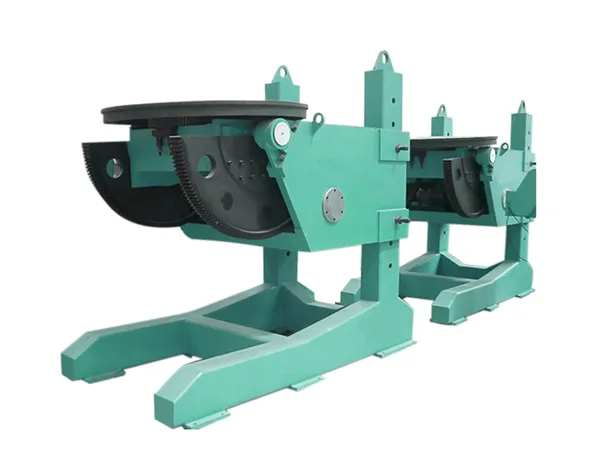
При оценке поставщиков ротаторов, различия в конструкции запирания напрямую влияют на запас прочности, интервалы технического обслуживания, и общая стоимость владения. В таблице ниже сравнивается стандартная система запирания BOTA с обычными фрикционными конструкциями..
…
Дополнительную информацию о механизме блокировки сварочного поворотного устройства с башней безопасности, пожалуйста, нажмите, чтобы посетить:https://www.bota-weld.com/en/a/news/locking-mechanisms-s.html

