
Алюминий уже давно является предпочтительным материалом для теплообменников из-за его исключительной теплопроводности., легкий характер, и коррозионная стойкость. Для отраслей, где важна эффективная теплопередача, например, система отопления, вентиляции и кондиционирования, охлаждение, и промышленные технологические системы, понимание теплопроводности алюминиевого змеевика для теплообменников имеет решающее значение при проектировании и обслуживании высокопроизводительного оборудования..
Теплопроводность алюминиевых змеевиков для теплообменников
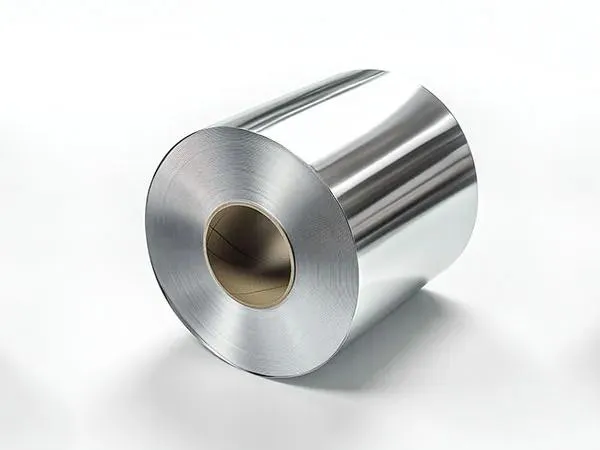
Почему теплопроводность имеет значение
Теплопроводность – это свойство материала, которое измеряет способность передавать тепло.. Что касается теплообменников, более высокая теплопроводность позволяет змеевику более эффективно передавать тепло от одной жидкости к другой.. Алюминиевые катушки превосходны в этом отношении, поскольку чистый алюминий имеет теплопроводность примерно 235 Вт/м·К при комнатной температуре, что значительно выше, чем у нержавеющей стали (вокруг 16 Вт/м·К) и медь (вокруг 385 Вт/м·К). Хотя медь имеет более высокую проводимость, алюминий предпочтителен во многих современных теплообменниках из-за его более низкой плотности., экономическая эффективность, и простота изготовления сложных форм..
Эффективная теплопроводность в алюминиевые катушки обеспечивает более быстрый нагрев или охлаждение жидкостей, снижает потребление энергии, и увеличивает общий срок службы теплообменника. Отрасли, которые отдают приоритет энергоэффективности и эксплуатационной надежности, считают алюминиевые рулоны практичным и устойчивым выбором..
Факторы, влияющие на теплопроводность алюминиевой катушки
Хотя алюминий по своей сути обладает отличной теплопроводностью., несколько факторов могут повлиять на его реальную производительность в теплообменниках:
Состав сплава: Алюминий, используемый в катушках, часто легируется такими элементами, как кремний., медь, или магний для повышения механической прочности и коррозионной стойкости.. Однако, добавление легирующих элементов может немного снизить теплопроводность по сравнению с чистым алюминием.. Выбор правильного баланса между прочностью и эффективностью теплопередачи имеет жизненно важное значение для оптимизации производительности..
Толщина катушки: Толщина алюминиевых ребер или трубок влияет на эффективность передачи тепла.. Более толстый материал может повысить долговечность, но может замедлить теплопередачу.. Инженеры должны тщательно проектировать толщину катушки, чтобы сбалансировать механическую стабильность и термический КПД..
Поверхностная обработка: Такие методы лечения, как анодирование, покрытие, или пассивация может защитить алюминиевые катушки от коррозии, особенно в суровых условиях, таких как системы охлаждения морской водой. Однако, некоторые виды обработки поверхности могут немного снизить теплопроводность. Правильный выбор обеспечивает защиту от коррозии без существенного влияния на теплообмен..
Температурная диапазон: Теплопроводность алюминия незначительно снижается с повышением температуры.. В высокотемпературных промышленных процессах, инженеры должны учитывать это свойство для обеспечения точной конструкции и производительности теплообменника..
…
Более подробную информацию о теплопроводности алюминиевых змеевиков для теплообменников, пожалуйста, нажмите, чтобы посетить:https://www.dw-al.com/a/news/thermal-conductivity-of-aluminum-coils-for-heat-exchangers.html

