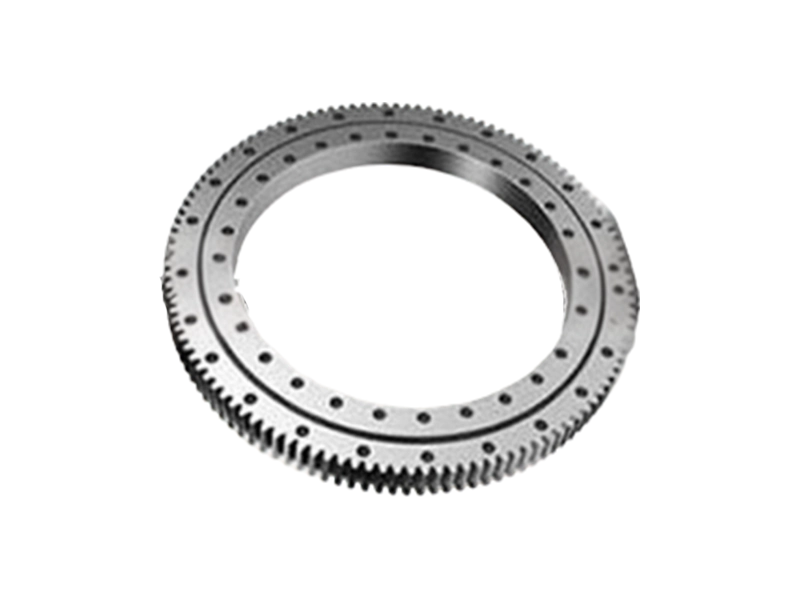
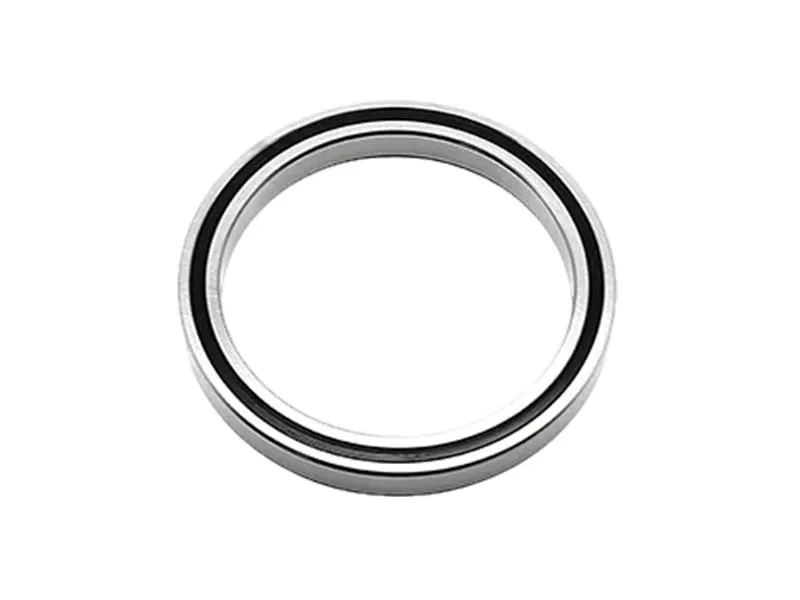
В “жизнь” of a precision crossed roller bearing, like any rolling element bearing, generally refers to its fatigue life. This is the number of revolutions or operating hours a bearing can achieve before the first signs of material fatigue, such as spalling or flaking, appear on its raceways or rolling elements.

Precision crossed roller bearings are critical components in high-accuracy applications, and their longevity is paramount. Here’s a comprehensive guide to improving their life, based on best practices.

Как увеличить срок службы прецизионных скрещенных роликоподшипников

precision crossed roller bearing

1. Proper Selection and Design:

Accurate Load Calculation: This is the foundational step. Understand the magnitude, направление (радиальный, осевой, moment), and combination of loads the bearing will experience. Overloading is a major cause of premature failure.

Условия окружающей среды: Consider temperature, влажность, пыль, and exposure to contaminants. Choose bearings with appropriate materials, уплотнения (if applicable in the surrounding design, as crossed roller bearings themselves typically don’t have integrated seals), and lubricants for the operating environment.

Точные требования: Select the appropriate precision class for your application. Higher precision bearings often require more precise mounting and handling.

Stiffness and Preload: Crossed roller bearings offer high stiffness. Proper preloading during design and assembly is crucial. Too little preload can lead to clearance and vibration, while excessive preload can generate heat and reduce life.

Anti-Creep Mechanisms: For applications with high acceleration/deceleration, uneven loading, or vertical/inclined strokes, consider bearings with anti-creep mechanisms to prevent roller slippage and wear.

More detailed information about how to improve the life of precision crossed roller bearings can be clicked to visit: https://www.lynicebearings.com/a/blog/improve-the-life-of-precision-crossed-roller-bearings.html

Щековые дробилки — это надежные машины, необходимые для первичного дробления в различных отраслях промышленности., но как и любая тяжелая техника, у них могут возникнуть проблемы. Регулярное техническое обслуживание и оперативное устранение неисправностей являются ключом к минимизации простоев и обеспечению эффективной работы..

Распространенные проблемы щековой дробилки и их решения

Jaw Crusher

1. Главный двигатель внезапно останавливается или не запускается

Возможные причины:

Засорение дробильной камеры/разгрузочного порта: Накопление материала может остановить работу машины..

Проблемы с клиновым ремнем: Свободный, сломанный, или проскальзывание клиновых ремней.

Проблемы со втулкой эксцентрикового вала: Ослабленная втулка может привести к застреванию эксцентрикового вала..

Низкое напряжение/недостаточная мощность двигателя: Электрические проблемы могут помешать двигателю привести в движение шкив..

Поврежденные подшипники: Изношенные или поврежденные подшипники могут привести к заклиниванию машины..

Исправления:

Устранение засоров: Остановите дробилку и удалите весь материал, блокирующий разгрузочное отверстие или камеру дробления..

Проверка и регулировка клиновых ремней: Подтянуть ослабленные клиновые ремни или заменить сломанные..

Переустановить/заменить втулку: Если втулка эксцентрикового вала ослаблена, переустанови или замени его.

Отрегулируйте напряжение: Убедитесь, что рабочее напряжение соответствует требованиям двигателя..

Заменить подшипники: Если подшипники повреждены, замените их.

2. Уменьшенная дробящая способность / Вывод не соответствует стандартам

Возможные причины:

Неправильный размер корма: Материал, подаваемый в дробилку, слишком велик, вызывая засорение.

Изношенные пластины челюсти: Изношенные или неравномерно изношенные пластины щек снижают эффективность дробления..

Неправильные настройки: Неправильная скорость эксцентрика, длина хода, или настройки разгрузочного отверстия.

Засоренный разгрузочный желоб: Скопление материала в разгрузочном желобе может вызвать противодавление..

Неправильное взаимное расположение челюстных пластин.: Зубчатые канавки подвижной и неподвижной челюстных пластин смещены..

Слишком низкое напряжение: Недостаточная мощность двигателя.

Более подробную информацию о Руководстве по устранению неполадок щековой дробилки можно найти, нажав «Посетить».: https://www.yd-crusher.com/a/news/jaw-crusher-troubleshooting-guide.html

Вместимость челюсть is usually measured in tons per hour (т/ч), but this is not a fixed figure. It is a dynamic variable and is affected by a combination of factors related to the material crushed, crusher design and operating parameters, and maintenance practices.Understanding these factors is critical to optimizing crusher performance and overall plant efficiency.

Jaw Crusher Capacity Influencing Factors

Jaw Crusher

я. Характеристики материала:

Твердость и абразивность:

Твердость: Harder materials require more energy to crush and can significantly reduce the crushing speed, thus lowering capacity.

Абразивность: Highly abrasive materials cause faster wear on jaw plates and other crushing parts. Increased wear leads to reduced efficiency and necessitates more frequent replacements, resulting in downtime and lower overall capacity.

Humidity/Moisture Content:

Materials with high moisture content (особенно “inner moistureabsorbed by the rock, not just surface water) can become sticky orclay-like,” leading to clogging and bridging in the crushing chamber. This impedes material flow and reduces throughput.

Composition and Particle Size Distribution of Feed:

Fines Content: Excessive fines (порошок) in the raw material can hinder crushing by filling voids in the chamber, reducing the efficiency of the crushing action, and potentially causing adhesion issues. Screening out fines before crushing can improve capacity.

More detailed information about the factors affecting the capacity of jaw crusher can be clicked to visit:https://www.yd-crusher.com/a/news/jaw-crusher-capacity-influencing-factors.html

Overheating in a конусная дробилка is a common issue that can lead to significant downtime and costly repairs. It usually indicates an underlying problem that needs to be addressed promptly.

Cone Crusher Overheating Causes and Solutions

cone crusher

я. Lubrication System Issues (Наиболее распространенная причина)

Poor Quality or Insufficient Lubricating Oil:

Причина: Using incorrect oil viscosity, old/degraded oil, or having low oil levels. Contaminated oil (с водой, fine mud, or impurities) significantly reduces its lubrication effectiveness and can cause abnormal wear.

Причины:

Regularly check the oil level and top up as needed.

Replace lubricating oil according to manufacturer specifications and maintenance schedules.

Ensure the correct type and viscosity of oil are used for the operating conditions (consider synthetic oil for extreme temperatures).

Analyze fluid samples regularly to detect contaminants and degradation.

Clean the oil tank and replace the oil if contaminated.

Clogged Oil Lines or Cooler:

Причина: Blockages in return pipes, oil grooves, or the cooler itself, leading to poor oil circulation and heat dissipation.

Причины:

Check for blockages in all lubrication lines and the cooler.

Clean the cooler and all tubing/oil grooves thoroughly.

Ensure the cooling water supply is sufficient and at adequate pressure.

More about how to solve cone crusher overheating problem? Подробную информацию можно нажать, чтобы посетить: https://www.yd-crusher.com/a/news/cone-crusher-overheating-issue.html

Increasing the output (measured in tons per hour, or TPH) of an ударная дробилка involves a holistic approach that combines operational adjustments, strategic maintenance, and optimizing the entire crushing circuit.Increasing the output of an impact crusher involves optimizing several key factors, from the material feed to the crusher’s internal settings and regular maintenance.

How to increase impact crusher output

impact crusher

1. Optimize Material Feed:

Consistent and Uniform Feed: Это первостепенное значение. An erratic or inconsistent feed rate can lead to underloading or overloading, both of which reduce efficiency.

Underfeeding: The crusher is not working at its full potential, leading to wasted energy and reduced throughput.

Overfeeding: Can cause clogging, increased wear on components, higher power consumption, and poor product shape.

Причины: Use a vibrating feeder or grizzly feeder to ensure a steady, even flow of material across the full width of the rotor. Adjust the feeder speed to match the crusher’s capacity.

Optimal Feed Size:

Larger Feed Size: Can slow down processing and increase wear. Ensure the maximum feed size is within the crusher’s recommended limits (обычно 80% of the feed opening depth).

Причины: Pre-screening is crucial. Use screens to remove oversized material before it enters the crusher, which can overload the machine and increase wear.

More details about how to increase the output of impact crusher can be clicked to visit: https://www.yd-crusher.com/a/news/how-to-increase-impact-crusher-output.html

А lining trolley plug steel template, also often referred to as a tunnel lining steel formwork or shutter, is a specialized piece of equipment crucial for constructing the inner lining of tunnels and other underground structures. Its primary applications revolve around ensuring the precise shape, размеры, and quality of concrete linings.

Lining Trolley Plug Steel Template Application

lining trolley plug steel template

Tunnel Construction (Primary Application): This is the most significant area of application.

In-situ Concrete Lining: For tunnels where the concrete lining is cast directly in place, large steel formwork systems mounted on trolleys are used. These trolleys move incrementally as the tunnel progresses, allowing for continuous concrete pouring and curing.

Precast Segment Manufacturing: For tunnels built with precast concrete segments (common in TBM tunneling), custom steel molds (templates) are used in factory settings to produce each segment with high precision. These segments are then transported to the tunnel site and assembled.

Various Tunnel Shapes: These templates are custom-designed for different tunnel geometries, в том числе круговые, horseshoe-shaped, egg-shaped, or other irregular cross-sections.

Culverts and Other Underground Sections: Beyond tunnels, these steel templates are also used for concrete linings in:

Culverts: Structures that allow water to flow under roads, железные дороги, or embankments.

For more detailed information on the application of lining trolley plug steel template, пожалуйста, посетите: https://www.gf-bridge-tunnel.com/a/blog/lining-trolley-plug-steel-template-application.html

A custom steel plug template for tunnel lining refers to specialized steel formwork or molds used in the construction of tunnels. These plugs or templates are crucial for creating the precise shape and dimensions of the tunnel lining, whether it’s for in-situ concrete pours or for manufacturing precast concrete segments.

How to Customize Tunnel Lining Steel Plug Formwork

Tunnel Lining Steel Plug Formwork

Purpose and Function:

Shaping the Tunnel Lining: The primary function is to define the exact geometry of the tunnel’s inner surface. This includes the circular or other specified cross-section, as well as any features like recesses for utilities, grout holes, or connection points for subsequent lining rings.

Ensuring Accuracy and Quality: Steel offers high rigidity and precision, which is essential for achieving a smooth and consistent concrete finish and for ensuring that tunnel segments fit together perfectly.

Durability and Reusability: Custom steel templates are designed for multiple uses, making them cost-effective for long tunnel projects or repeated segment production. They can withstand the pressures of concrete pouring and repeated stripping.

Facilitating Construction: These templates often integrate features that aid the construction process, как например:

Stripping mechanisms: Designs that allow for easy and efficient removal of the formwork once the concrete has cured.

Integrated heating/cooling: For controlling concrete curing times in varying environmental conditions.

Walkways and access points: For workers to safely place rebar, vibrators, и другое оборудование.

Guidance systems: For alignment during installation of segments or during in-situ pouring.

For more details on how to customize tunnel lining steel plug formwork click to visit: https://www.gf-bridge-tunnel.com/a/blog/customized-steel-plug-formwork-for-tunnel-lining.html

Choosing the appropriate motor power for a tunnel lining trolley is crucial for efficient and safe operation. It involves considering various factors related to the trolley’s function, the tunnel’s characteristics, and the concrete lining process.

Tunnel Lining Trolley Motor Power Selection

tunnel lining trolley

1. Functions of the Tunnel Lining Trolley and Associated Loads:

А Туннельная подкладка typically performs several tasks, each requiring specific power:

Traveling/Movement: This is the primary function. The motor needs to overcome:

Rolling resistance: Friction between the wheels and the tracks.

Grade resistance: If the tunnel has an incline (crawling ability).

Acceleration torque: The force needed to start and increase the speed of the trolley.

Total weight of the trolley: This includes the steel formwork, hydraulic system, concrete if present during movement (though usually it’s poured after positioning), and any auxiliary equipment or personnel.

Short-distance movement: For precise positioning, motors need to provide accurate control.

Hydraulic System Operation: Most modern lining trolleys use hydraulic cylinders for various operations:

Lifting and lowering the formwork: This involves overcoming the weight of the formwork and the concrete pressure during pouring.

Opening and closing side templates: For demolding and adjustment.

Horizontal and vertical adjustments: For precise alignment.

Vibrating concrete: Some trolleys have attached vibrators to ensure proper concrete compaction. The hydraulic pump motor needs sufficient power to drive these cylinders and vibrators.

Auxiliary Functions:

Осветительные приборы: For visibility within the tunnel.

Control systems: Power for the electrical and electronic components.

2. Key Factors Influencing Motor Power Selection:

tunnel lining trolley

Trolley Specifications:

Length and weight of the trolley: Longer and heavier trolleys require more power for movement and lifting.

Maximum lining length per unit: This indicates the scale of the operation.

More detailed information about how to choose the power of tunnel lining trolley motor can be clicked to visit: https://www.gf-bridge-tunnel.com/a/blog/tunnel-lining-trolley-motor-power-selection.html

Subway tunnel lining trolleys are essential non-standard equipment used in the secondary lining process of tunnel construction, especially for urban metro systems. Unlike the generic “Туннельная подкладка” which encompasses various applications (highway, railway, hydropower, п.), subway tunnel lining trolleys are specifically designed to meet the unique requirements of metro tunnel sections and stations.

Subway tunnel lining trolley models

While there isn’t a universally standardized set ofmodelslike you’d find for a mass-produced consumer product, these trolleys are typically categorized and described based on several key characteristics and design principles:

tunnel lining trolley

я. Classification by Tunnel Section/Application:

Section Trolley : Это самый распространенный тип, designed for the long, continuous tunnel sections between subway stations. Their design focuses on efficient, repeatable lining for a consistent circular or horseshoe-shaped cross-section.

Station Trolley: These are specialized for the larger, often more complex and varied cross-sections of subway station caverns. They might be designed to handle rectangular, multi-arch, or other irregular shapes.

Button-Arch Trolley: Used for specific sections like thebutton-arch” (inverted arch or invert) at the bottom of the tunnel, especially for the secondary lining of the invert.

Middle Partition Trolley : For tunnels with a central partition wall, these trolleys are designed to facilitate lining in these specific configurations.

II. Classification by Driving/Operation Mechanism:

Hydraulic Automatic Walking Lining Trolley: This is the most prevalent and advanced type. They utilize hydraulic systems for movement, formwork adjustment (расширяющийся, retracting, подъем, опускание), and often for precise positioning. They are self-propelled, driven by electric motors.

Mechanical Lining Trolley: While less common now for large-scale projects, older or simpler designs might use mechanical systems for movement and formwork manipulation.

Hydraulic Drag Type: These trolleys are dragged by external equipment, but still use hydraulics for formwork operations.

More detailed information about subway tunnel lining trolley models can be clicked to visit: https://www.gf-bridge-tunnel.com/a/blog/subway-tunnel-lining-trolley-models.html

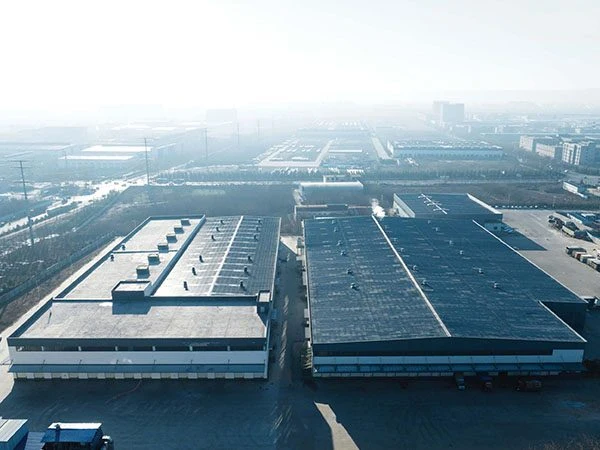
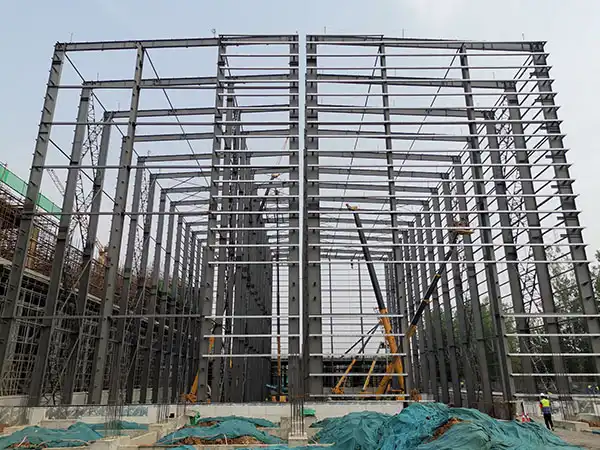
Industrial steel structure construction is a highly systematic process used to build facilities like factories, склады, электростанции, перерабатывающие мощности, and large-scale workshops. Unlike traditional construction, it relies heavily on prefabrication, where major components are manufactured off-site in a controlled factory environment and then transported to the site for assembly.

Industrial Steel Building Construction Process

Industrial steel structure construction

The construction process of an industrial steel structure is a complex and multi-stage endeavor that prioritizes precision, эффективность, и безопасность.

1. Дизайн и планирование:

Концептуальный дизайн & Технико-экономическое обоснование: This initial stage involves understanding the client’s needs, project requirements, и условия площадки. Architects and engineers collaborate to develop conceptual designs.

Detailed Design & Инженерное дело: Based on the conceptual design, detailed blueprints, характеристики, and structural calculations are created. This includes determining the appropriate steel grades and types, considering load-bearing requirements, environmental factors, and regulatory standards. Компьютерное проектирование (ХАМ) software is extensively used for precise drawings.

Permits and Approvals: Obtaining all necessary permits and approvals from local authorities is a critical step before any physical work begins.

2. Procurement and Material Preparation:

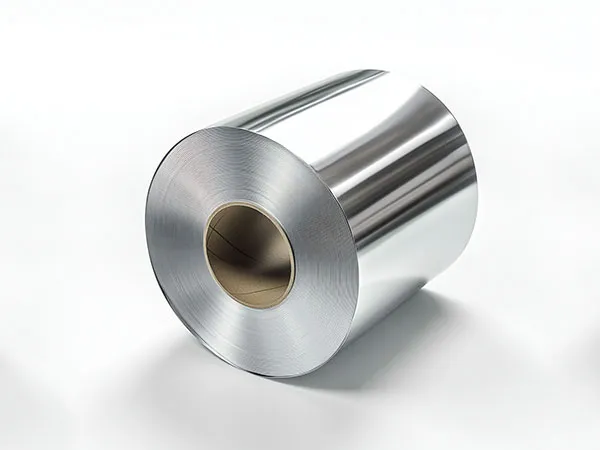
Выбор материала & Acquisition: High-quality steel materials (листы, профили, coils) are selected and ordered based on the detailed design.

Quality Inspection of Raw Materials: Incoming raw materials undergo strict inspections to verify they meet quality and strength standards, including checks for size, характеристики, surface quality, and certification documents.

Material Cutting: Steel is cut to the desired sizes and shapes using various methods such as shearing, распиловка, flame cutting, laser cutting, or plasma cutting, often employing CNC (Компьютерное числовое управление) machines for precision.

Bending and Shaping: В зависимости от дизайна, steel components like flanges and webs may be bent or pressed to achieve specific shapes and dimensions.

3. Изготовление (Off-site Manufacturing):

Sub-Assembly/Fitting: Individual steel components (балки, столбцы, фермы, п.) are meticulously fitted together and temporarily connected, often using tack welding to hold them in place at the correct angles.

Сварка и соединение: The primary method for joining steel components is welding (например, МНЕ, ТИГ, arc welding). Skilled welders ensure strong and durable connections. Bolting is also used, especially where disassembly or modification might be required. Reinforcing ribs and cleats are also welded.

Straightening: After welding, components may undergo straightening to remove any warping and ensure flatness and accurate edges.

For more detailed information about the construction process of industrial steel structure, пожалуйста, нажмите, чтобы посетить: https://www.meichensteel.com/a/news/industrial-steel-structure-construction-process.html