
Seleccionar el quemador adecuado para su planta de asfalto impacta directamente en los costos operativos, cumplimiento ambiental, y eficiencia de producción. El petróleo pesado y el gas natural son las dos opciones de combustible más comunes, cada uno con distintas ventajas y compensaciones. Este artículo proporciona un profesional., Comparación basada en datos para ayudarle a tomar una decisión informada para su operación específica., al tiempo que destaca cómo SHUXIN Los sistemas de quemadores pueden optimizar el rendimiento independientemente de la elección del combustible..
Factores clave en la selección de quemadores
Antes de profundizar en los detalles de cada tipo de combustible, Es esencial comprender los criterios que más importan en las operaciones de las plantas de asfalto.:
- Costo y disponibilidad de combustible. – volatilidad de los precios regionales y confiabilidad de la oferta
- Cumplimiento de emisiones – regulaciones ambientales locales y límites de permisos
- Eficiencia térmica y capacidad de secado. – potencia del quemador vs.. contenido de humedad agregado
- Complejidad del mantenimiento – frecuencia de los tiempos de inactividad y coste de las piezas de repuesto
- Inversión de capital – costos iniciales de compra e instalación del quemador
Comparación de costos: Petróleo pesado versus gas natural
Petróleo pesado (También conocido como bunker C o fueloil residual.) Históricamente ofrece un costo de combustible por BTU más bajo en muchas regiones.. Sin embargo, requiere sistemas de precalentamiento (para reducir la viscosidad) y tanques de almacenamiento especializados, que aumentan el gasto de capital inicial. Gas natural Por lo general, tiene un costo de combustible más alto, pero elimina la necesidad de precalentar., reduce el mantenimiento del tanque, y a menudo ofrece precios más estables a través de contratos a largo plazo.. Durante un período de 5 años, El costo total de propiedad puede variar significativamente según los diferenciales de combustible locales..
Quemadores de petróleo pesado: Ventajas y desafíos
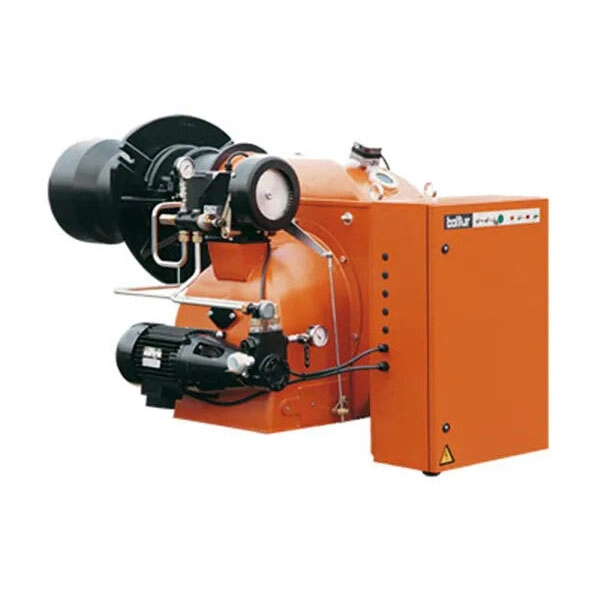
Los quemadores de petróleo pesado han sido el estándar de la industria durante décadas.. Su principal ventaja es la flexibilidad del combustible: los operadores pueden cambiar a combustibles pesados alternativos o aceites mezclados cuando el gas natural no está disponible.. SHUXIN Ofrece modelos robustos de quemadores de aceite pesado diseñados para combustibles de alta viscosidad., con precalentamiento automático y filtración de múltiples etapas para minimizar la obstrucción de la boquilla.
Los desafíos incluyen:
- Mayor cantidad de partículas (P.M) y emisiones de SOx: pueden requerir depuradores o filtros
- Mantenimiento más frecuente: limpieza diaria de puntas de quemadores, cambios de filtro semanales
- Menor eficiencia de combustión (~85-88%) comparado con el gas natural (~92-95%)
- Retrasos en el arranque en frío debido al tiempo de precalentamiento del aceite
Quemadores de gas natural: Limpio y eficiente
Los quemadores de gas natural ofrecen un encendido inmediato, temperaturas de llama más altas, y una combustión más limpia. Son la opción preferida para plantas bajo estrictas regulaciones de emisiones.. SHUXIN Los sistemas de quemadores de gas natural incorporan variadores de frecuencia. (VFD) y controles de ajuste de oxígeno para maximizar la eficiencia en diferentes tasas de producción.
…
Para obtener más información sobre cómo elegir el quemador adecuado para una planta mezcladora de asfalto: quemadores de aceite pesado vs.. quemadores de gas natural, por favor haga clic aquí: https://www.sxburner.com/a/news/burner-comparison-guide.html

