
Every shop that washes parts, services vehicles, or runs coolant through a machine tool produces oily wastewater. What happens to that water after it leaves your floor drain is a decision you make once, at the moment you buy the equipment. An undersized or wrong-type oil water separator will either flood with oil, fail an inspection, or cost far more in maintenance than the unit itself. Getting the selection right comes down to a handful of measurable factors: peak flow, oil chemistry, effluent targets, available floor space, and how much attention your team can realistically give the unit each week. This guide works through those factors in the order that matters.
Start With the Water Your Shop Actually Produces
Most buying mistakes happen before anyone opens a catalog. A shop owner compares two units by price and capacity, picks the cheaper one, and discovers six months later that the unit was never designed for the type of oil coming down the drain. Characterization comes first.
Peak flow rate, not average flow
Size on the worst hour of the week, not on a typical Tuesday. If a pressure washer, a parts washer, and a floor drain all discharge into the same line, their flows add up. A unit rated for 20 gpm that receives a 35 gpm surge will push oil straight through to the outlet, and the failure will only show up during an inspection or a downstream problem. Measure or estimate the combined discharge of every connected source, then add a margin for future equipment.
Oil chemistry and droplet size
Not all oil behaves the same way in water, and the difference determines which technology you need.
- Free-floating oil rises on its own and separates easily in almost any gravity device.
- Mechanically emulsified oil is broken into fine droplets by pumps, agitation, y presión. It needs coalescing media or centrifugal action to be captured.
- Chemically emulsified oil is bound up by detergents, degreasers, and surfactants. It will pass through most separators untouched unless chemical treatment or membrane filtration is added downstream.
If your shop uses water-based cleaners and liberally applied degreasers, assume you are dealing with at least partially emulsified oil. This single fact eliminates some low-cost options immediately.
Solids and debris load
Brake dust, grinding swarf, arena, and floor sweepings settle in the same tank as the oil. A separator without adequate sludge storage or pre-settlement will clog its coalescing media quickly. Ask how much solids volume the unit holds before it needs pumping out.
Compare the Main Separator Types Before You Compare Prices
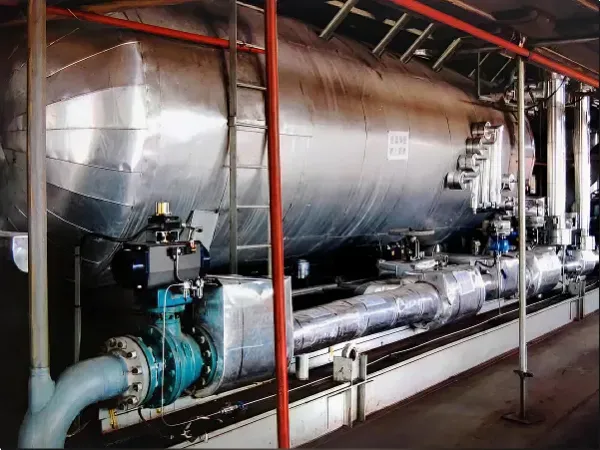
Four families cover the vast majority of shop applications. Each has a genuine advantage and a genuine limitation.
- Gravity (API-style) separators. Ventaja: simple, inexpensive, no moving parts, and forgiving of heavy solids. Limitation: they capture only free-floating oil, require long residence time, and need a large footprint.
- Coalescing plate separators (CPI/TPI). Ventaja: the best balance of performance and size for most shops, because inclined plates force fine droplets to merge and rise quickly. Limitation: media must be cleaned on a schedule, and heavily emulsified or high-solids streams will foul it.
- Centrifugal and hydrocyclone units. Ventaja: compacto, continuo, and effective on fine droplets and some emulsified oil without large tanks. Limitation: higher purchase cost, sensitivity to flow variation, and more maintenance on wear parts.
…
For more detailed information on how to choose the right oil-water separator for your establishment, por favor haga clic aquí: https://www.zy-petrochemical.com/a/news/choosing-the-right-oil-water-separator.html

