
Las instalaciones de almacenamiento en frío se encuentran entre las operaciones que consumen más energía en los sectores de servicios alimentarios y logística., Sin embargo, muchos operadores aceptan las altas facturas de servicios públicos como un costo inevitable de hacer negocios.. la verdad es, con las estrategias adecuadas, Se pueden lograr importantes reducciones de energía sin comprometer la integridad de la temperatura que mantiene el inventario seguro y conforme.. Aprovechando años de conocimientos de ingeniería y aplicaciones del mundo real, incluidas soluciones desarrolladas por Menaje de cocina TZY para cocinas comerciales y operadores de cadenas de frío: este artículo desglosa diez métodos probados que equilibran la eficiencia con el rendimiento..
1. Actualice a compresores y condensadores de alta eficiencia
El corazón de cualquier sistema de refrigeración es su compresor y su serpentín condensador.. Las unidades más antiguas suelen utilizar compresores alternativos que funcionan a velocidades fijas., consumir energía incluso durante períodos de baja carga. Los modernos compresores scroll o de velocidad variable accionados por inversor ajustan la capacidad para satisfacer la demanda, Reducir el uso de electricidad entre un 20% y un 35% en muchas instalaciones.. Menaje de cocina TZY recomienda realizar un análisis del perfil de carga antes de realizar la modernización; combinar un condensador de alto SEER con un evaporador del tamaño adecuado elimina los ciclos cortos y minimiza la acumulación de escarcha.
2. Optimice la gestión y el sellado de puertas
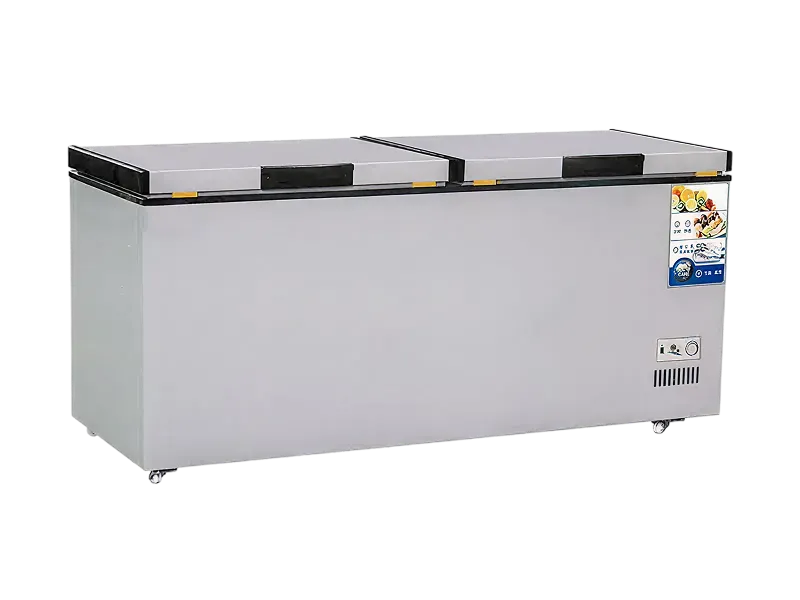
Cada vez que se abre la puerta de una cámara frigorífica, escapes de aire acondicionado y cálido, entra aire húmedo, obligando al sistema de refrigeración a trabajar más duro. Instalar cierrapuertas automáticos, cortinas de tiras, o puertas enrollables de alta velocidad en unidades de acceso frecuente. Inspeccione las juntas de las puertas mensualmente para detectar espacios o desgarros; reemplazar una junta desgastada puede ahorrar hasta 15% de energía de refrigeración. Para cámaras frigoríficas, considere agregar un sello de banda magnética como barrera secundaria; Menaje de cocina TZY ofrece kits de modernización diseñados para congeladores y refrigeradores de calidad comercial.
3. Implementar controles de descongelamiento bajo demanda
Los ciclos de descongelamiento basados en el tiempo son un desperdicio porque se activan independientemente de la acumulación real de escarcha.. Un sistema de descongelamiento a pedido utiliza sensores para detectar la acumulación de hielo e inicia el descongelamiento solo cuando es necesario. Esto puede reducir el consumo de energía relacionado con el descongelamiento entre un 40% y un 50%.. Las instalaciones que utilizan sistemas de amoníaco o CO₂ pueden beneficiarse aún más al integrar el descongelamiento por gas caliente con controles de presión de succión flotantes..
4. Ajuste los puntos de ajuste de temperatura
Elevar el punto de ajuste incluso 1°C (1.8°F) Puede reducir el uso de energía entre un 2% y un 4% sin afectar la seguridad alimentaria de la mayoría de los productos almacenados a menos de 4°C.. Revise las pautas de HACCP para identificar la temperatura segura más alta para su inventario específico. Para almacenamiento congelado, considerar pasar de -25°C a -23°C si las especificaciones del producto lo permiten. Utilice termómetros digitales calibrados para verificar las condiciones reales y evitar la deriva.
…
Para obtener información más detallada sobre 10 Formas de reducir los costos de energía a través de la tecnología de refrigeración sin sacrificar la temperatura., por favor haga clic para visitar: https://www.tzykitchenware.com/a/news/cold-storage-energy.html

