
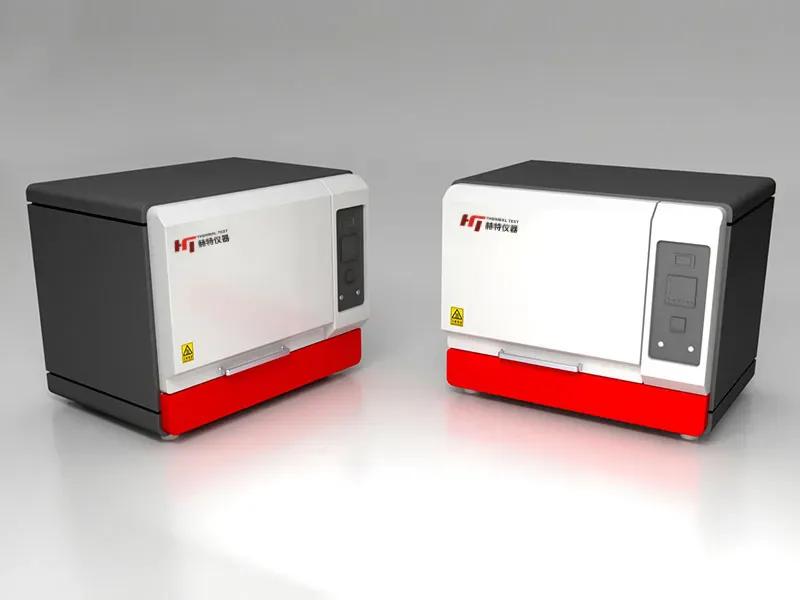
Hornos de mufla Son ampliamente utilizados en laboratorios., pruebas de metalurgia, procesamiento cerámico, investigación sobre tratamientos térmicos, y entornos de control de calidad donde se requiere un calentamiento estable y uniforme a alta temperatura. En el centro de su rendimiento se encuentra el sistema de elementos calefactores., que determina directamente la precisión de la temperatura, eficiencia energética, y estabilidad operativa. Sin embargo, en aplicaciones industriales y de laboratorio reales, Los elementos calefactores también se encuentran entre los componentes que fallan con mayor frecuencia.. Comprender las causas fundamentales de estas fallas e implementar soluciones adecuadas es esencial para reducir el tiempo de inactividad., prolongar la vida útil del horno, y mantener una calidad constante del proceso.
Este artículo proporciona un análisis práctico y orientado a la ingeniería de fallas comunes en los elementos calefactores de hornos de mufla., sus causas subyacentes, y estrategias de mantenimiento comprobadas basadas en la experiencia industrial y principios de ingeniería de equipos térmicos..
1. Comprender el papel de los elementos calefactores en un horno de mufla

El elemento calefactor de un horno de mufla se encarga de convertir la energía eléctrica en energía térmica., Normalmente funciona en condiciones extremas que van desde 800 °C hasta más de 1800 °C, según el diseño del horno.. Los materiales comunes incluyen Kanthal. (aleación FeCrAl), nicromo (aleación de NiCr), carburo de silicio (Sic), y disilicidio de molibdeno (MoSi₂) para aplicaciones de alta temperatura.
Cada material se comporta de manera diferente bajo estrés térmico., exposición a la oxidación, y carga eléctrica. Por lo tanto, El rendimiento del elemento no solo está determinado por la calidad del material sino también por el método de instalación., distribución de carga, atmósfera del horno, y prácticas de mantenimiento.
2. Fallas comunes en los elementos calefactores de los hornos de mufla
2.1 Elemento quemado debido al sobrecalentamiento
Una de las fallas más frecuentes ocurre cuando los elementos calefactores funcionan más allá de su temperatura nominal.. El sobrecalentamiento prolongado acelera la oxidación y provoca una rápida degradación del material., especialmente en alambres Kanthal y Nichrome. Esto a menudo conduce a una rotura repentina o a una fusión localizada..
En muchos casos, El sobrecalentamiento no es causado por el elemento en sí sino por sistemas de control de temperatura defectuosos., como termopares defectuosos, Mala calibración del controlador PID, o fallo del relé.
2.2 Oxidación y degradación superficial
Los elementos calefactores expuestos al aire a altas temperaturas forman gradualmente una capa de óxido.. Mientras que una fina capa de óxido puede proteger ciertas aleaciones, La oxidación excesiva conduce a la fragilidad y a la deriva de la resistencia.. Tiempo extraordinario, Esto causa un calentamiento desigual y una eventual falla del elemento..
Este problema es particularmente común en hornos que frecuentemente funcionan a temperatura máxima sin ciclos de enfriamiento controlados..
2.3 Fractura mecánica y agrietamiento por tensión térmica
La expansión y contracción térmica durante los ciclos de calentamiento y enfriamiento generan tensión mecánica dentro del elemento.. Los ciclos repetidos pueden provocar microfisuras que eventualmente se propagan hasta convertirse en una fractura completa..
…
Para obtener información más detallada sobre fallas comunes y soluciones para los elementos calefactores de hornos de mufla, por favor haga clic para visitar: https://www.lyheatest.com/en/a/electric-furnace-knowledge/common-muffle-furnace-heating-element-failures-and-solutions.html

