
Мировая сталелитейная промышленность испытывает постоянное давление, требующее снижения производственных затрат при одновременном повышении энергоэффективности и экологических показателей.. Среди всего оборудования для обработки стали, арматурный стан играет центральную роль в определении как эффективности производства, так и долгосрочной операционной рентабельности.. Для инвесторов, руководители заводов, и группы инженерных закупок, понимание реальной структуры затрат на энергоэффективный прокатный стан для прокатки арматуры стало важным для принятия обоснованных решений в 2026 и за его пределами.
В этой статье представлен комплексный анализ затрат на энергоэффективные системы. прокатные станы для арматуры, покрытие капитальных вложений, операционные расходы, энергосберегающие технологии, возврат инвестиций, и долгосрочное создание стоимости. Он разработан, чтобы помочь лицам, принимающим решения, оценить не только цену покупки, но и общую стоимость владения в течение жизненного цикла..
Понимание современной системы прокатки арматуры
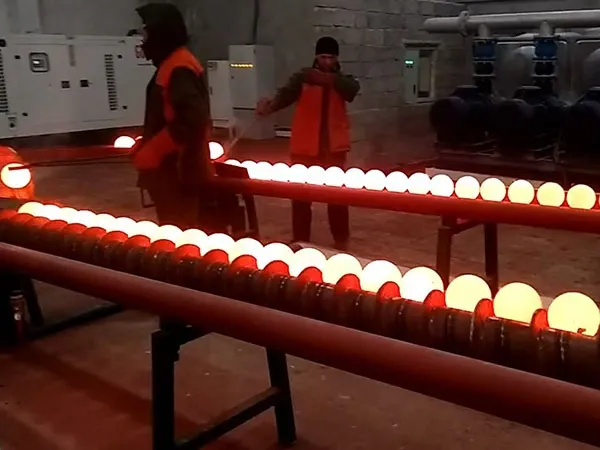
Прокатный стан для арматуры — это промышленная производственная линия, которая превращает стальные заготовки в арматуру, используемую в строительстве.. Современные системы обычно включают в себя нагревательные печи., черновые станы, промежуточные трибуны, отделочные стенды, охлаждающие кровати, системы резки, и автоматизированные блоки управления.
В энергоэффективных конфигурациях, каждая подсистема оптимизирована для снижения энергопотребления, минимизировать потери тепла, и улучшить выход материала. Передовые системы автоматизации и частотно-регулируемые приводы (VFD) теперь являются стандартными для высокопроизводительных мельниц, обеспечивает точный контроль скорости прокатки и крутящего момента.
Структуру затрат такой системы нельзя оценить только по цене оборудования., поскольку потребление энергии и расходы на техническое обслуживание часто превышают первоначальные капитальные затраты в течение жизненного цикла установки..
Разбивка капитальных вложений (Капвложения)
Первоначальные инвестиции в энергоэффективный прокатный стан для прокатки арматуры зависят от производственной мощности., уровень автоматизации, и конфигурация оборудования. Однако, большинство проектов попадают в несколько ключевых категорий затрат.
1. Оборудование для прокатки сердечников
Прокатные клети, коробки передач, моторы, и направляющие системы составляют значительную часть общего объема инвестиций. Энергоэффективные мельницы обычно используют высокий крутящий момент., двигатели с низким энергопотреблением в сочетании с оптимизированной конструкцией прокатки. Хотя эти системы требуют более высоких первоначальных затрат, существенно снижают потребление электроэнергии во время работы.
…
Более подробную информацию по анализу затрат на энергосберегающие станы прокатки арматуры, пожалуйста, нажмите, чтобы посетить: https://www.gyssljx.com/a/news/energy-efficient-rebar-rolling-mill-cost-analysis.html

