
Редукторы прокатных станов работают в экстремальных условиях — постоянный высокий крутящий момент, ударные нагрузки, термоциклирование, и загрязнение. Когда коробка передач выходит из строя, вся производственная линия останавливается, приводит к дорогостоящим простоям и внеплановым ремонтам.. Понимание коренных причин этих сбоев является первым шагом на пути к созданию более надежной стратегии обслуживания.. В этой статье рассматриваются наиболее распространенные механизмы отказов в редукторах прокатных станов и излагаются действенные профилактические подходы, которые могут продлить срок службы оборудования и снизить эксплуатационные риски.. Уже более десяти лет, gyssljx специализируется на разработке и обслуживании редукторов для тяжелых условий эксплуатации, адаптированных для требовательной сталелитейной и металлообрабатывающей промышленности..
1. Основные причины поломок редукторов прокатных станов
1.1 Неисправность смазки и загрязнение
Недостаточная смазка – причина номер один поломок коробки передач.. Прокатные станы работают в пыльных условиях., влажная среда, где твердые частицы, воды, и технологические жидкости легко проникают в масло. Загрязненное масло ускоряет абразивный износ., питтинг, и задиров на зубьях шестерен и подшипниках. Даже при правильной вязкости масла, один эпизод попадания воды может снизить прочность масляной пленки более чем на 50%.
1.2 Перегрузки и ударные нагрузки
Процессы накатки вызывают внезапные скачки крутящего момента во время нарезания резьбы., булыжник, и изменения скорости. Эти ударные нагрузки превышают расчетный запас коробок передач, специально не усиленных для таких условий.. Повторяющиеся перегрузки вызывают усталость зубьев при изгибе., растрескивание корня, и возможная поломка зуба. gyssljx инженеры рекомендуют всегда проверять, учитывает ли номинал коробки передач пиковые нагрузки., не просто средний крутящий момент.
1.3 Несоосность подшипников и вала
Несоосность входного/выходного валов редуктора и клети стана приводит к неравномерному распределению нагрузки.. Это вызывает локальный перегрев., фреттинг-коррозия, и преждевременный выход подшипников из строя. Плохая жесткость фундамента., тепловое расширение, или неправильная установка являются частыми виновниками. Регулярные проверки лазерного выравнивания должны быть частью любой профилактической программы..
1.4 Усталость и деградация материала
Даже при нормальной работе, Зубья шестерни испытывают повторяющееся контактное напряжение. Более миллионов циклов, образуются и распространяются подповерхностные микротрещины, приводящие к растрескиванию, отслаивание, и перелом зуба. Зубчатые передачи с поверхностной закалкой особенно уязвимы к расслоению корпуса и сердечника, если глубина закалки недостаточна для спектра приложенных нагрузок..
1.5 Термический дисбаланс и перегрев
Непрерывная прокатка выделяет значительное количество тепла.. Если система охлаждения или масляный радиатор имеют недостаточный размер, температура поддона повышается, снижение вязкости масла и ускорение окисления. Высокие температуры также ухудшают качество уплотнений., позволяя загрязняющим веществам проникать. Мониторинг температуры масла и внедрение дополнительного охлаждения могут предотвратить каскадные сбои..
2. Последствия игнорирования ранних предупреждающих знаков
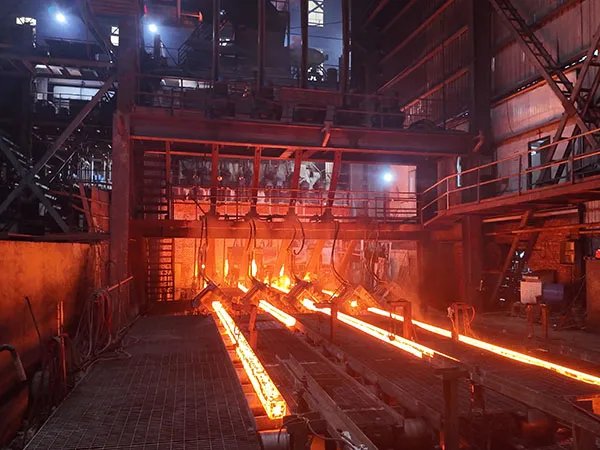
Большинство неисправностей коробки передач дают четкие предупреждения — повышенная вибрация., аномальный шум, изменение цвета масла, или металлические частицы микронного размера в пробах масла. Когда эти знаки игнорируются, повреждение прогрессирует от локальной точечной коррозии до полного заклинивания или катастрофического разрушения обсадной колонны.. Стоимость экстренной замены зачастую превышает стоимость планового капитального ремонта в пять-десять раз.. более того, незапланированные остановки пронизывают весь производственный график, влияющие на обязательства по доставке.
3. Превентивные стратегии для продления срока службы коробки передач
3.1 Внедрение анализа масла и мониторинга состояния
Периодический отбор проб масла обеспечивает раннее обнаружение металлов износа., воды, и окисление. Анализ тенденций позволяет группам технического обслуживания планировать вмешательство до возникновения сбоя.. Мониторинг вибрации и термография дополняют анализ масла, выявляя дефекты подшипников и горячие точки.. gyssljx предлагает индивидуальные программы мониторинга состояния, интегрированные с рекомендациями OEM.
…
Более подробную информацию о неисправностях редуктора прокатного стана см.: основные причины и стратегии предотвращения, пожалуйста, нажмите, чтобы посетить: https://www.gyssljx.com/a/news/gearbox-failure-prevention.html

