
Comprensión de sus requisitos de materiales y tiras
Antes de evaluar los tipos de molino, Defina las características específicas de la banda metálica que desea procesar.. Los parámetros clave incluyen:
Tipo de material y comportamiento de endurecimiento por trabajo
Metales blandos como el cobre., aluminio, y el latón se comportan de manera diferente que las aleaciones más duras como el acero inoxidable, titanio, o superaleaciones a base de níquel. Por ejemplo, El acero inoxidable requiere mayores fuerzas de rodadura y un control de separación más preciso para mantener la planitud.. La velocidad de endurecimiento influye en el número de pasadas necesarias y en la elección de la rigidez del molino..
Dimensiones y tolerancias de la tira
Especificar el espesor entrante, espesor final, ancho de la tira, y variación de espesor aceptable (p.ej., ±0,001 mm). Aplicaciones de tiras de precisión, como láminas para baterías, componentes de dispositivos médicos, o conectores electrónicos: exigen tolerancias extremadamente estrictas. Un molino de racimos de 20 de alto generalmente logra una mejor uniformidad de espesor que un molino de 2 o 4 de alto en tiras delgadas..
Volumen de producción y flexibilidad
Bajo volumen, La producción de alta mezcla se beneficia de los molinos con sistemas de cambio rápido de rodillos y programas de pases versátiles.. El procesamiento continuo de alto volumen puede favorecer molinos en tándem o un molino inverso de un solo soporte con control automatizado.. Defina su rendimiento requerido en toneladas por hora o metros por minuto.
Tipos clave de laminadores para tiras de precisión
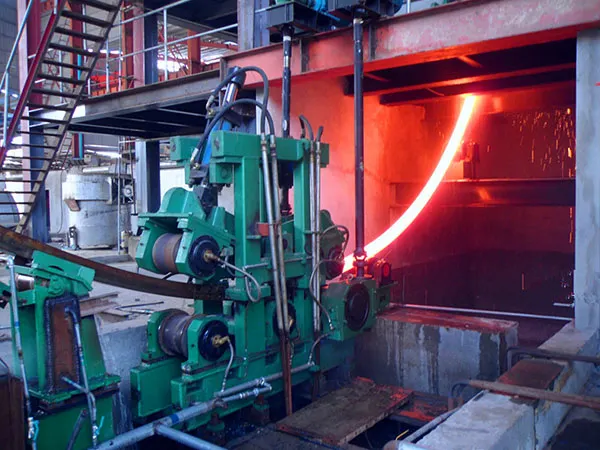
Cada configuración de molino ofrece distintas ventajas.. La siguiente tabla resume los tipos principales.:
2-Laminadores altos
- Pros: Diseño simple, bajo costo inicial, facil mantenimiento.
- Contras: Capacidad limitada para producir calibres muy delgados.; Una mayor deflexión del rodillo conduce a un espesor menos uniforme a lo ancho..
- Mejor para: Laminación en caliente o pasadas iniciales de rotura de bandas más gruesas., aplicaciones de tolerancia no crítica.
…
Para obtener más información sobre cómo seleccionar un laminador para el procesamiento de tiras metálicas de precisión, por favor haga clic aquí:https://www.gyssljx.com/a/news/rolling-mill-guide.html

