
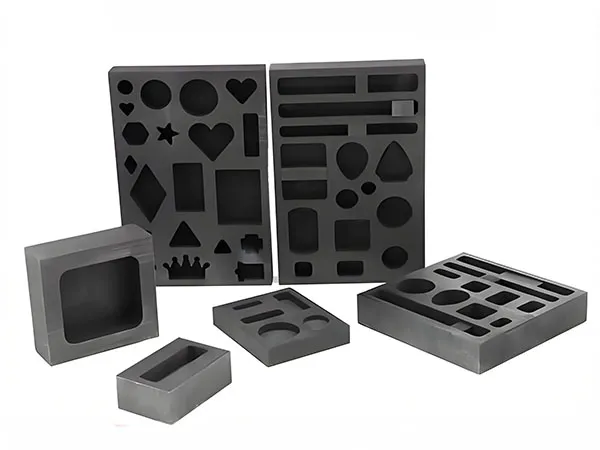
Графитовые формы непрерывного литья под давлением играют решающую роль в современном металлургическом производстве, особенно в таких отраслях, как сталелитейная промышленность, обработка алюминия, и производство цветных металлов. В качестве критического компонента, непосредственно подвергающегося воздействию расплавленного металла., форма не только определяет размерную точность заготовок и слитков, но и существенно влияет на качество поверхности, и экран выйдет из строя преждевременно под действием знакопеременной нагрузки, и общие эксплуатационные расходы.
Производители выбирают графитовые материалы из-за их превосходной теплопроводности., отличная устойчивость к тепловому удару, и стабильная работа при повышенных температурах. Однако, несмотря на эти преимущества, графитовые формы по своей природе уязвимы к двум основным механизмам разложения.: окисление и эрозия. Если эти проблемы не контролируются эффективно, они могут привести к быстрому износу формы, нестабильное качество литья, и незапланированные простои.
Эта статья представляет собой комплексное и практическое руководство по пониманию коренных причин окисления и эрозии графитовых форм., наряду с проверенными стратегиями, которые помогают продлить срок службы и повысить эффективность литья.
Почему окисление и эрозия являются критическими проблемами
В условиях непрерывного литья, графитовые формы работают в чрезвычайно суровых условиях, связанных с высокими температурами., поток расплавленного металла, и воздействие химически активных газов. Окисление и эрозия не происходят независимо друг от друга.; в большинстве случаев, они взаимодействуют и ускоряют друг друга, приводящие к сложному ущербу.
Когда окисление ослабляет структуру графита, материал становится более восприимчивым к механическому износу. В то же время, эрозия обнажает свежие графитовые поверхности, делая их более уязвимыми для дальнейшего окисления. Этот цикл может значительно сократить срок службы пресс-формы, если не управлять им должным образом..
Понимание окисления в графитовых формах
Окисление — это химическая реакция, в которой атомы углерода в графите соединяются с кислородом при высоких температурах., образуя угарный газ (Сопутствующий) или углекислый газ (Коэффициент). Эта реакция обычно становится значимой, когда температура превышает 400–500°C, и быстро ускоряется при температуре литья..
Ключевые факторы, способствующие окислению
Некоторые условия эксплуатации и окружающей среды способствуют окислению.:
Высокие температуры литья увеличивают скорость реакции между графитом и кислородом.
Увеличенное время воздействия во время непрерывных производственных циклов
Среды, богатые кислородом, из-за плохой герметизации или недостаточной газовой защиты.
Воздушный поток и влажность вокруг зоны литья, которые вводят дополнительный кислород
По мере прогрессирования окисления, поверхность формы постепенно теряет материал, приводящие к отклонениям размеров, шероховатые поверхности, и пониженная теплопроводность. В тяжелых случаях, структурная целостность может быть нарушена, приводит к преждевременному выходу из строя формы.
…
Более подробную информацию о том, как предотвратить окисление и коррозию графитовых кристаллизаторов непрерывной разливки, пожалуйста, нажмите, чтобы посетить: https://www.czgraphite.com/a/news/how-to-prevent-okidation-of-continious-casting-graphite-molds.html

