
В современных условиях литья, где требуется постоянство, эффективность, и контроль затрат находятся под постоянным давлением, выбор материала больше не является рутинным решением — это стратегическое решение. Графит, широко известен своей высокой теплопроводностью, устойчивость к химическому воздействию, и способность сохранять структурную целостность при экстремальных температурах., продолжает играть решающую роль в процессах литья металлов.
Однако, многие команды по закупкам и инженеры по-прежнему недооценивают ключевой момент: графит не однородный материал. Его характеристики существенно различаются в зависимости от способа изготовления.. Выбор между изостатическим графитом, формованный графит, и экструдированный графит могут напрямую влиять на срок службы пресс-формы., точность литья, уровень дефектов, и общая себестоимость продукции.
Как выбрать графитовые формы для непрерывного литья под давлением
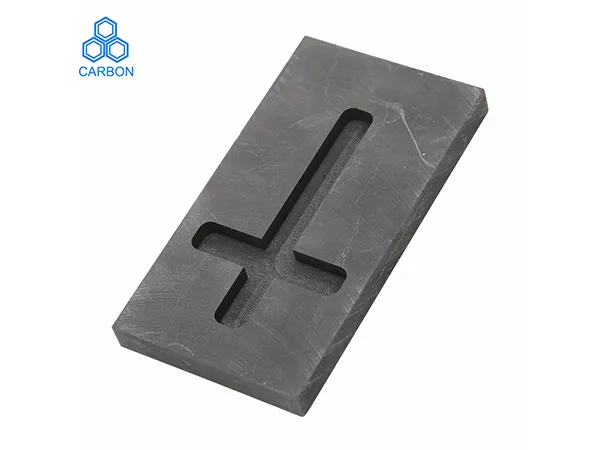
В этом руководстве представлена более глубокая информация, основанный на опыте подход, помогающий лицам, принимающим решения, выбрать наиболее подходящий тип графита на основе реальных производственных условий, а не общих спецификаций..
Почему выбор графита важен как никогда
В процессах высокотемпературного литья — будь то алюминий, медные сплавы, или специальные металлы—графитовые компоненты такие, как пресс-форм, умирает, тигли, и светильники подвергаются повторяющимся термоциклическим воздействиям., риски окисления, и механические нагрузки.
Несоответствие типа графита и его применения часто приводит к:
Преждевременное растрескивание или деформация
Неравномерное распределение тепла и дефекты литья
Увеличение времени простоя и затрат на техническое обслуживание.
Снижение консистенции продукта
С практической точки зрения, Правильный выбор графита – это не только производительность, но и долгосрочная эксплуатационная стабильность и предсказуемость затрат..
Более пристальный взгляд на три основных типа графита
1. Изостатический графит: Точность и надежность в экстремальных условиях
Изостатический графит производится с использованием равномерного давления, приложенного во всех направлениях, в результате получается очень однородная внутренняя структура. С инженерной точки зрения, это единообразие и отличает его.
В реальных приложениях, это переводится как:
Последовательное поведение во всех направлениях
В отличие от других типов графита, его свойства не меняются в зависимости от ориентации. Это очень важно для форм, где неравномерное расширение может привести к неточностям размеров..
…
Более подробную информацию о том, как выбрать графитовые кристаллизаторы непрерывного литья заготовок, пожалуйста, нажмите, чтобы посетить: https://www.czgraphite.com/a/news/how-to-select-graphite-continuous-casting-molds.html
