
High-pressure grinding rolls (HPGR) have emerged as a highly efficient technology in modern mining, especially for processing hard and abrasive ores. These machines offer improved energy efficiency, enhanced particle liberation, and lower operating costs compared to traditional milling methods. However, one persistent challenge in the application of HPGR is the wear of roll surfaces when processing highly abrasive ores. Excessive roll wear not only increases maintenance costs but also reduces operational efficiency and throughput. Understanding how to reduce HPGR roll surface wear is therefore crucial for mining companies aiming to optimize productivity and extend equipment lifespan.
Understanding HPGR Roll Wear Mechanisms
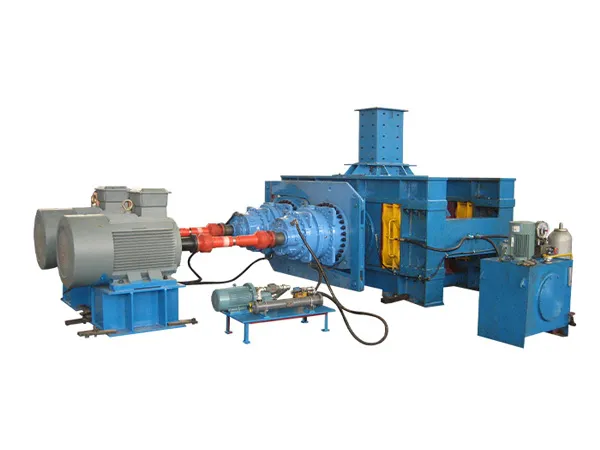
To address wear effectively, it is important to understand the underlying mechanisms. In abrasive ore processing, roll surfaces are subjected to two main types of wear: abrasive wear and fatigue wear. Abrasive wear occurs when hard particles in the ore scrape against the roll surface, gradually removing material. Fatigue wear results from repeated stress cycles as the rolls compress and fracture the ore, leading to micro-cracks and eventual spalling of the roll surface. The combination of these wear mechanisms accelerates roll degradation, particularly in ores with high silica or hard mineral content.
Environmental and operational factors also contribute to wear. High feed moisture, improper ore sizing, and uneven particle distribution can create localized stress points on the rolls, intensifying surface wear. Similarly, operating at high throughput without adjusting roll pressure can lead to excessive roll fatigue. Therefore, a multi-faceted approach is necessary to mitigate roll wear effectively.
Selecting the Right Roll Materials
Material selection plays a decisive role in reducing wear. Modern HPGR rolls are typically made from high-strength steel, often enhanced with wear-resistant coatings such as tungsten carbide or high-chrome alloys. These materials provide superior hardness and toughness, allowing rolls to withstand both abrasive and fatigue wear. When selecting roll materials, it is essential to balance hardness with impact resistance; overly hard rolls may resist abrasion but are more prone to cracking under cyclic stress.
In addition to base material selection, the application of surface treatments and coatings can significantly extend roll life. Hardfacing techniques, thermal spraying, and surface alloying create a protective layer on the roll surface that resists particle-induced abrasion. Regular inspection of these coatings ensures they remain intact, as worn coatings can accelerate underlying material degradation.
Optimizing HPGR Operating Parameters
Beyond material considerations, operational adjustments are critical for wear reduction. The following strategies are particularly effective:
Control Roll Pressure and Gap Settings: Operating at optimal pressure reduces unnecessary stress on the rolls. Excessive pressure can increase fatigue wear, while insufficient pressure may result in incomplete ore breakage, leading to recirculation and more abrasive contact. Maintaining an appropriate gap between rolls ensures efficient ore compression while minimizing surface stress.
…
For more detailed information on how to reduce wear on the roller surfaces of high-pressure roller mills in highly abrasive ores, please click to visit: https://www.zymining.com/en/a/news/how-to-reduce-hpgr-roll-surface-wear-in-abrasive-ores.html

