
В точном машиностроении, Выбор материала тонкого подшипника является критически важным решением, которое напрямую влияет на производительность оборудования., долголетие, и общая стоимость владения. Инженеры и специалисты по закупкам должны взвешивать такие факторы, как грузоподъемность., устойчивость к коррозии, рабочая температура, и сложность производства в условиях бюджетных ограничений. В этой статье представлено техническое сравнение распространенных материалов подшипников тонкого сечения — нержавеющей стали., хромированная сталь, и гибридная керамика — изучение их влияния на производительность и стоимость.. Использование лучших отраслевых практик и опыта BIBO Bearing, мы представляем основу, которая поможет вам выбрать оптимальный материал для вашего конкретного применения.
1. Понимание материалов подшипников тонкого сечения
Подшипники тонкого сечения характеризуются небольшой площадью поперечного сечения по отношению к их диаметру., что делает их идеальными для применений, где пространство и вес ограничены. Материал колец подшипника, яйца, и клетки определяют ключевые характеристики производительности. Ниже приведены наиболее распространенные категории материалов, используемые в подшипниках тонкого сечения..
Нержавеющая сталь (440С, 316)
Варианты из нержавеющей стали, такие как AISI 440C, обеспечивают высокую твердость. (до HRC 58-60) и хорошая коррозионная стойкость. Их часто используют в пищевой промышленности., медицинское оборудование, и морская среда. Оценка 316 обеспечивает превосходную коррозионную стойкость, но более низкую твердость, обычно используется в приложениях с менее требовательными нагрузками. BIBO Подшипниковые колодки как 440C, так и 316 подшипники тонкого сечения из нержавеющей стали для агрессивных сред.
Хромированная сталь (52100)
Оценка 52100 хромированная сталь является наиболее широко используемым материалом подшипников благодаря своей превосходной износостойкости., высокая твердость (СПЧ 60-67 после термической обработки), и усталостная прочность. Он обеспечивает превосходную грузоподъемность и долгий срок службы в чистоте., сухая среда. Однако, он подвержен коррозии без надлежащей смазки или покрытия.. Подшипники тонкого сечения из хромированной стали от BIBO Bearing экономически эффективны для общепромышленного использования..
Гибридная керамика (Si3N4 Шарики + Стальные гонки)
Hybrid bearings combine silicon nitride (Си3Н4) ceramic balls with steel rings (обычно 52100 или нержавеющая сталь). The ceramic balls are lighter, Сильнее, and generate less friction, enabling higher speeds and reduced heat buildup. They also offer electrical insulation, making them ideal for motors and generators. Стоимость выше из-за керамического процесса производства., но преимущества в производительности могут оправдать премию в высокоскоростных или высокоточных приложениях..
Специальные материалы
Другие материалы включают стали сквозной закалки, такие как 440C, для подшипников тонкого сечения, требующих как коррозионной стойкости, так и твердости., или пластиковые клетки (например, ПТФЭ, PEEK) to reduce weight and noise. BIBO Bearing также предлагает индивидуальные комбинации материалов для уникальных условий эксплуатации..
2. Сравнение производительности: Какой материал где лучше всего?
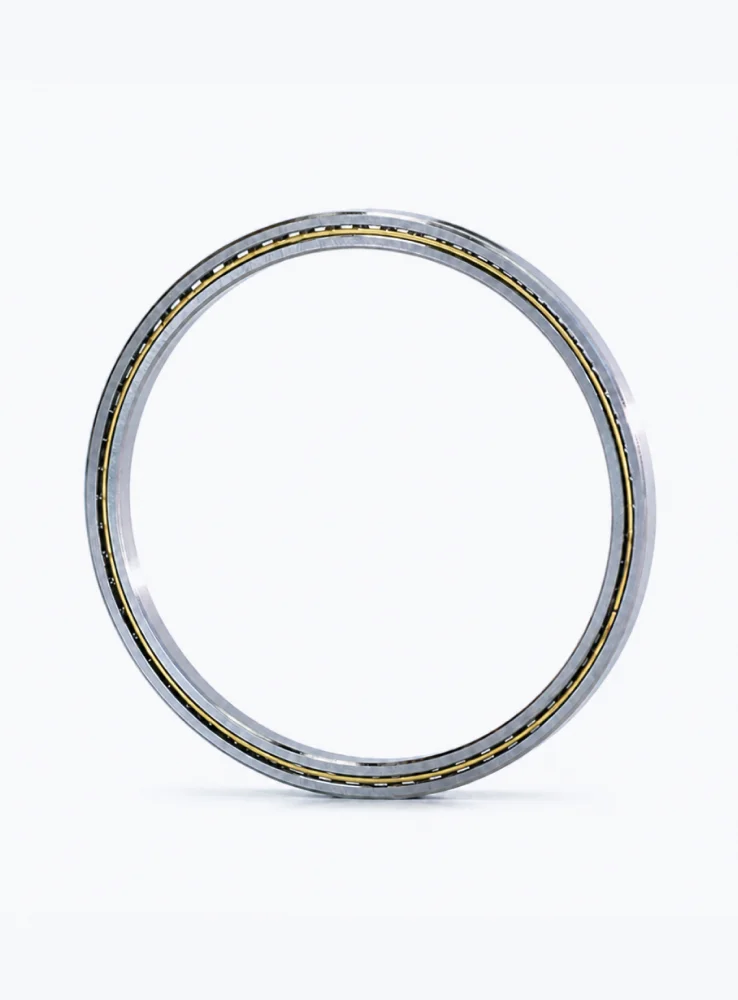
Помощь в выборе материала., В следующей таблице приведены ключевые характеристики трех основных семейств материалов, используемых в подшипниках тонкого сечения..
- Твердость & Грузоподъемность: Хромированная сталь (52100) > Нержавеющая сталь 440С > Гибридная керамика (кольца такие же как стальные, шарики тяжелее, но нагрузка ограничена кольцом). Гибридные подшипники могут выдерживать умеренные нагрузки на очень высоких скоростях..
…
Для получения более подробной информации о влиянии материалов подшипников тонкого сечения на производительность и стоимость, пожалуйста, нажмите, чтобы посетить: https://www.bobibearing.com/a/bearing-knowledge/bearing-material-impact.html
