
Al considerar una casa con estructura de acero liviana, Una de las preguntas más críticas que hacen los posibles propietarios es: ¿Puede realmente durar? 50 años o más? La respuesta está en comprender la ingeniería moderna., ciencia de materiales, y precisión de fabricación. A diferencia de los edificios convencionales de madera u hormigón, Las estructuras de acero livianas se basan en marcos de acero galvanizado que resisten la putrefacción., plagas, y el estrés ambiental. Este artículo proporciona un profesional., Examen respaldado por datos de por qué una casa de acero liviana diseñada y mantenida adecuadamente puede superar el medio siglo de servicio confiable., con una visión especial de cómo HBFRM STEEL logra este estándar.
Por qué 50+ Los años son la línea de base: La ciencia detrás de la longevidad del acero ligero
Los cimientos de una casa de acero duradera comienzan con la materia prima. Los marcos de acero livianos generalmente se forman a partir de bobinas de acero galvanizado de alta resistencia., con recubrimiento de zinc aplicado mediante proceso de inmersión en caliente. La capa de zinc actúa como ánodo de sacrificio.: incluso si el acero está rayado, el zinc circundante se corroe primero, protegiendo el metal base. Según estándares internacionales (ASTM A653, GB/T 12755), un peso de recubrimiento de Z275 (275 g/m²) o superior puede proporcionar encima 50 años de protección en ambientes atmosféricos normales, asumiendo un diseño y mantenimiento adecuados.
Características de diseño clave que prolongan la vida útil
- Secciones de acero conformadas en frío – La ausencia de soldaduras en el sitio reduce las zonas afectadas por el calor que podrían acelerar la corrosión..
- Tornillos autoperforantes con arandelas EPDM – Crear hermético, Conexiones estancas que evitan la entrada de humedad..
- Paredes huecas ventiladas – Eliminar la acumulación de condensación dentro de la estructura., Un enemigo común del acero..
- Fabricación con precisión de fábrica – Cada panel se corta y perfora con tolerancias inferiores 2 mm, asegurar que la distribución del estrés sea uniforme.
Factores críticos que influyen en la esperanza de vida real
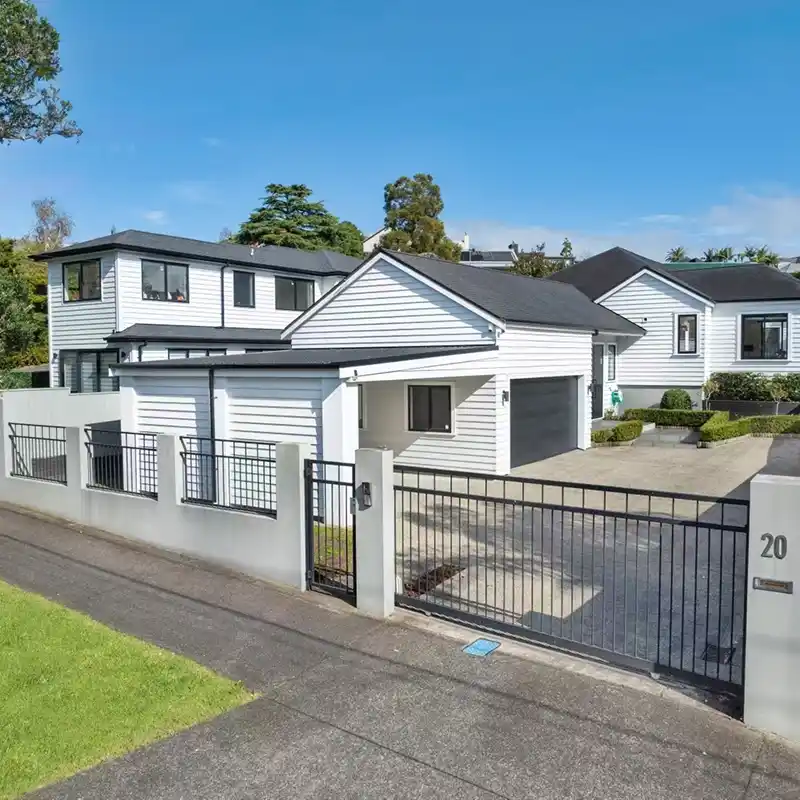
Si bien la durabilidad teórica es 50+ años, Los resultados en el mundo real dependen de tres pilares.: protección contra la corrosión, calidad de montaje, y atención continua.
1. Protección contra la corrosión: Recubrimiento y exposición ambiental
La amenaza más común para las casas de acero es el óxido.. Sin embargo, moderno revestimiento galvanizado combinado con sistemas de pintura adicionales (p.ej., poliéster o PVDF) puede soportar la niebla salina, lluvia ácida, y alta humedad. Para zonas costeras o industriales, HBFRM STEEL recomienda actualizar al revestimiento Z600 o agregar una imprimación rica en zinc. En climas típicos del interior, El recubrimiento estándar Z275 logra el objetivo de 50 años sin tratamiento adicional..
2. Detalles de Conexión y Puentes Térmicos
Cada junta en una estructura de acero es un punto débil potencial. Tornillos autorroscantes de alta calidad con opciones de acero inoxidable, combinado con tiras de rotura de puente térmico (p.ej., nailon o caucho), Previene la corrosión y la pérdida de calor.. Las conexiones mal diseñadas pueden provocar corrosión galvánica si se tocan metales diferentes.. HBFRM STEEL aplica estrictos protocolos de compatibilidad de materiales para evitar este tipo de problemas..
…
Para obtener información más detallada sobre la vida útil de las casas con estructura de acero ligero. (encima 50 años), por favor haga clic para visitar: https://www.hbfrmsteel.com/a/news/steel-house-lifespan.html
