
A medida que las regulaciones ambientales globales continúan endureciéndose, Las industrias que dependen del procesamiento térmico a alta temperatura están bajo una presión cada vez mayor para reducir el óxido de nitrógeno. (NOx) emisiones. Entre estas industrias, producción de cemento, calcinación de cal, y el procesamiento metalúrgico se ven particularmente afectados debido a su gran dependencia de los hornos rotatorios.. En este contexto, la adopción de Quemadores de bajo NOx para hornos rotativos se ha convertido en una solución de ingeniería fundamental para las empresas que buscan cumplir con los estándares de emisiones y al mismo tiempo mantener la eficiencia operativa y la estabilidad de la producción..
Este artículo proporciona una descripción general completa de cómo funciona la tecnología de quemadores de bajo NOx., Por qué es esencial para los sistemas modernos de hornos rotativos., y cómo los operadores industriales pueden integrarlo de manera efectiva tanto en nuevas instalaciones como en proyectos de modernización..
El papel de los hornos rotatorios en la producción industrial
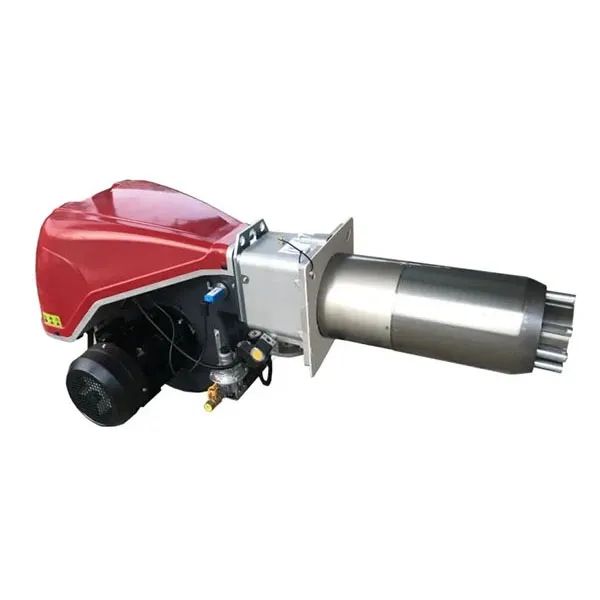
Los hornos rotativos se utilizan ampliamente en industrias de procesamiento de alta temperatura, como la fabricación de cemento., producción de cal, y calcinación de minerales. Estos sistemas operan continuamente bajo condiciones térmicas extremas., a menudo supera los 1.400°C en la zona de combustión. Para mantener tales temperaturas, Se queman grandes cantidades de combustible., lo que inevitablemente conduce a la formación de óxidos de nitrógeno.
Las emisiones de NOx se generan principalmente a través de dos mecanismos: NOx térmico, que se forma a altas temperaturas de combustión, y combustible NOx, que resulta de los compuestos de nitrógeno presentes en el combustible.. Sin un control adecuado de la combustión, Los hornos rotatorios pueden contribuir significativamente a la contaminación del aire., hacer que las tecnologías de control de emisiones no sólo sean deseables sino obligatorias en muchas regiones.
Por qué los quemadores de bajo NOx son esenciales para el cumplimiento de las emisiones
Agencias medioambientales en regiones como la Unión Europea, los estados unidos, y partes de Asia han implementado umbrales de emisión estrictos para la producción industrial de NOx. Estas regulaciones están diseñadas para reducir la formación de smog., lluvia ácida, y riesgos para la salud respiratoria asociados con la contaminación del aire.
Los quemadores de bajo NOx para hornos rotativos están diseñados específicamente para cumplir con estos requisitos reglamentarios.. En lugar de depender únicamente del tratamiento poscombustión, Reducen la formación de NOx en la fuente al controlar cómo se mezclan y queman el combustible y el aire dentro del sistema del horno.. Este enfoque proactivo permite a los operadores lograr el cumplimiento de manera más eficiente y rentable..
…
Para obtener información más detallada sobre quemadores de bajo NOx para hornos rotativos para cumplir con los estándares de emisiones, por favor haga clic aquí: https://www.sxburner.com/a/news/low-nox-burners-for-rotary-kilns.html

