
Выбор правильного материала тигля имеет решающее значение при плавке латуни и бронзы.. Эти сплавы на основе меди имеют определенные температуры плавления., требования к теплопроводности, и химическая реакционная способность, требующая тиглей, способных выдерживать высокие температуры без загрязнения.. Неподходящий тигель может привести к деградации сплава., сокращенный срок службы, или даже угрозы безопасности. В этом руководстве рассматриваются наиболее распространенные материалы для тиглей, используемые в литейном производстве цветных металлов., сравнивая их производительность, расходы, и пригодность для плавки латуни и бронзы. Независимо от того, управляете ли вы небольшим художественным литейным заводом или крупным промышленным литейным предприятием., понимание этих свойств материала поможет вам принять обоснованное решение о покупке.. На протяжении всей этой статьи, мы опираемся на опыт Cangzhou Carbon, надежный поставщик высококачественных тиглей для мировой литейной промышленности.
Основные требования к тиглям, используемым при плавке латуни и бронзы
Латунь (медно-цинковый) и бронза (медно-оловянный, часто с другими элементами) плавится в диапазоне 900–1100°С (1650–2010°F). Хотя это ниже, чем у чугунного или стального литья., тигель все равно должен выдерживать термический удар от повторяющихся циклов нагрева и охлаждения., сопротивляться окислению, и избежать химической реакции с расплавленным металлом. Кроме того, в тигель не должны вноситься примеси, которые обесцвечивают сплав или ослабляют его механические свойства.. Идеальный тигель обеспечивает баланс теплопроводность, механическая прочность, устойчивость к термическому удару, и химическая стабильность.
Глиняные графиты: Отраслевой стандарт
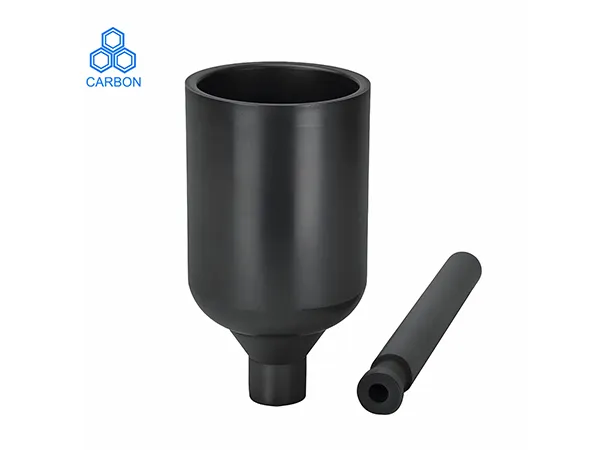
Глиняно-графитовые тигли на протяжении десятилетий были основой плавки цветных металлов.. Они состоят из смеси природных графитовых чешуек и огнеупорной глины. (обычно шамот), спрессован или отлит и обожжен для создания плотной, термостойкий корпус.
Преимущества латуни и бронзы
- Отличная стойкость к термическому удару – Высокая теплопроводность графита обеспечивает быструю передачу тепла, снижение риска растрескивания при помещении тигля в горячую печь.
- Несмачивание расплавленных медных сплавов – Графитовый компонент предотвращает прилипание металла к стенкам тигля., минимизация накопления шлака и продление срока службы тигля.
- Хорошая экономическая эффективность - Сырья в изобилии., делает глиняно-графитовые тигли одним из наиболее доступных вариантов для малых и средних литейных производств..
- Широкий температурный диапазон – Подходит до 1600°C, значительно выше температуры плавления латуни/бронзы.
Ограничения
- Меньшая механическая прочность по сравнению с тиглями из карбида кремния – они более склонны к сколам или поломке при неправильном обращении..
- Окисление графита при высоких температурах на воздухе – в печах открытого пламени, графит может медленно сгорать, уменьшение толщины стенки тигля.
- Относительно более короткий срок службы при интенсивном ежедневном использовании.
Для большинства операций плавки латуни и бронзы., глиняно-графитовые тигли обеспечивают превосходный баланс производительности и цены.. Cangzhou Carbon поставляет глиняно-графитовые тигли премиум-класса с контролируемой пористостью и стабильным качеством, специально разработанные для литейных производств медных сплавов..
…
Более подробную информацию о плавке латуни и бронзы см.: руководство по идеальным материалам для тигля, пожалуйста, нажмите здесь: https://www.czgraphite.com/a/news/crucible-material-guide.html

