
В промышленных лабораториях, оборудование для испытаний материалов, и производственной среды, муфельная печь играет решающую роль в обеспечении контролируемых высокотемпературных условий для таких процессов, как озоление, термическая обработка, спекание, и тестирование качества. Однако, даже качественная печь со временем может постепенно отклоняться от заданной температуры. Вот почему понимание того, как калибровать муфельную печь для обеспечения точности температуры, необходимо для получения надежных результатов., обеспечение соблюдения стандартов тестирования, и защита качества продукции.
Точность температуры в муфельная печь это не просто техническое предпочтение. Это напрямую влияет на целостность экспериментальных данных и промышленных результатов.. Даже отклонение в несколько градусов может привести к нестабильным свойствам материала., проваленные проверки качества, или неточные выводы исследования. По этой причине, калибровка — это не разовая задача, а структурированный процесс технического обслуживания, который должен быть интегрирован в регулярные рабочие процедуры..
Понимание важности калибровки при термической обработке
Муфельная печь работает в экстремальных термических условиях., часто достигая температуры выше 1000°C. Со временем, возраст нагревательных элементов, дрейф термопар, изоляционные свойства ухудшаются, и системы управления теряют точность. Эти постепенные изменения не всегда заметны во время повседневной эксплуатации., но они существенно влияют на равномерность и точность температуры внутри камеры.
Когда печь неправильно откалибрована, операторы могут по незнанию работать с неправильными показаниями температуры. Например, отображаемая температура 800°C может фактически соответствовать реальной температуре в камере 780°C или 820°C.. Это несоответствие может поставить под угрозу такие процессы, как определение зольности., обжиг керамики, или термообработка металла. Поэтому, калибровка гарантирует, что показания контроллера печи действительно отражают реальную тепловую среду..
Подготовка к процессу калибровки муфельной печи
Перед началом процесса калибровки, важно следить за тем, чтобы печь работала в стабильных условиях. Печи следует дать стабилизироваться при комнатной температуре, а затем постепенно нагреть ее до желаемых точек калибровки.. Также необходимо убедиться в соблюдении всех протоколов безопасности., поскольку калибровка часто предполагает работу с высокотемпературным оборудованием и чувствительными измерительными приборами.
Для профессиональной калибровки обычно требуется эталонный прибор с более высокой точностью, чем сама печь.. Это может включать сертифицированную термопару., калиброванный регистратор данных температуры, или прецизионный пирометр. Эти приборы служат эталоном для сравнения отображаемой температуры печи с фактической измеренной температурой внутри камеры..
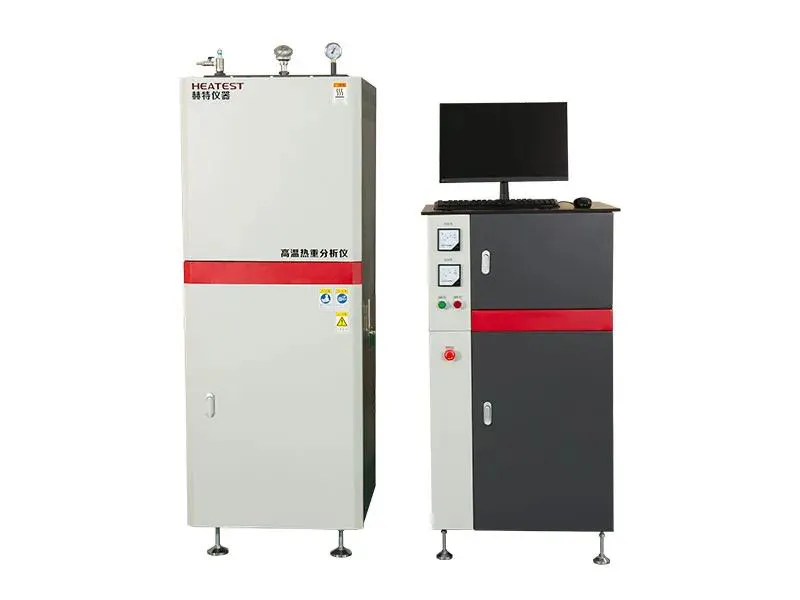
Пошаговый метод калибровки точности температуры
Процесс калибровки обычно начинается с настройки муфельной печи на определенную заданную температуру., часто выбирается из диапазона, который отражает его обычное эксплуатационное использование. Общие точки калибровки включают низкую, середина, и высокие температурные диапазоны для обеспечения стабильности во всем рабочем спектре..
Как только печь достигнет целевого заданного значения, ему следует дать стабилизироваться в течение достаточного периода выдержки. Этот период стабилизации важен, поскольку муфельным печам требуется время для равномерного распределения тепла по камере.. На этом этапе, в камеру печи вставляется эталонная термопара или датчик температуры, обычно размещается рядом с геометрическим центром для получения точных показаний.
…
Более подробную информацию о том, как откалибровать муфельную печь для получения точных температур, см., пожалуйста, нажмите здесь: https://www.lyheatest.com/en/a/electric-furnace-knowledge/muffle-furnace-calibration.html

