
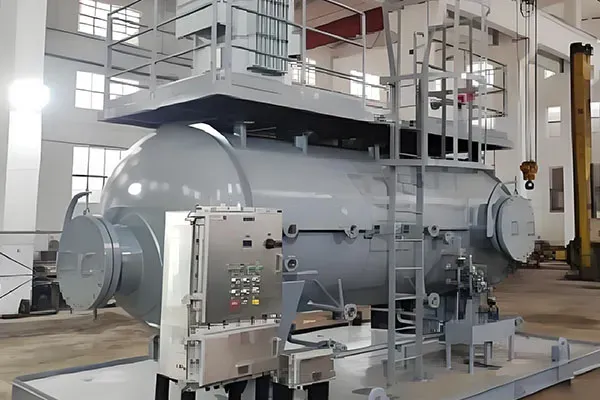
En el entorno de alto riesgo de la producción de petróleo y gas upstream, la separador trifásico Se erige como el corazón de la instalación de superficie.. Su capacidad para entregar aceite limpio, el radián y el tamaño de la superficie de contacto de la pista de rodadura del rodamiento son compatibles con el equipo correspondiente, y corrientes de agua determina la rentabilidad de toda la operación. Sin embargo, un silencio “asesino de eficiencia” a menudo se esconde en el fondo de estos enormes buques: Lodos y Arena.
Los sedimentos acumulados no sólo ocupan espacio; Cambia la dinámica de la separación de fluidos., lo que lleva a un costoso remanente, erosión del equipo, y paradas no planificadas. Esta guía completa describe los rigurosos, Protocolos estándar de la industria para la limpieza de lodos y arena., Proporcionar a los equipos de mantenimiento un modelo para la excelencia operativa..
Los costos ocultos de la acumulación de sedimentos
Antes de sumergirnos en el “cómo,” debemos entender el “por qué.” Lodos: un cóctel complejo de hidrocarburos pesados, parafina, asfaltenos, y el limo fino y la arena abrasiva actúan como aislantes y obstrucciones..
Tiempo de retención reducido: A medida que se acumulan los sólidos, El volumen efectivo del vaso disminuye.. Esto acorta el “tiempo de residencia” requerido para la separación por gravedad, resultando en contaminación de agua en aceite.
Fallo de control de interfaz: Los lodos a menudo se acumulan en la interfaz agua-petróleo, creando un “capa de trapo” que confunde sensores de nivel y válvulas de descarga.
Corrosión microbiana: El lodo estancado proporciona un caldo de cultivo para las bacterias reductoras de sulfato (SRB), lo que lleva a corrosión por picaduras localizada que puede violar la integridad del recipiente..
Fase 1: Seguridad preoperacional & Aislamiento (El patrón oro)
Seguridad en “Entrada a espacios confinados” (CSE) no es negociable. Limpiar un separador implica algo más que girar una válvula; requiere un protocolo de derivación total.
Ventilación y purga: Después del aislamiento mediante bloqueo-etiquetado (Corazón), el recipiente debe estar despresurizado. La práctica estándar implica purgar con nitrógeno para desplazar los compuestos orgánicos volátiles. (COV) y gas peligroso.
Pruebas atmosféricas: Utilice detectores multigas calibrados para verificar los niveles de oxígeno y la ausencia de LEL (Límite explosivo inferior) peligros antes de que cualquier técnico se acerque a la entrada.
Contención secundaria: Asegúrese de que los kits de derrames y las bermas estén ubicados alrededor del área de drenaje para evitar el incumplimiento ambiental durante la liberación inicial del fluido..
Fase 2: Drenaje sistemático y gestión de líquidos
El objetivo es eliminar el “gratis” líquidos para exponer el material compactado “tacón” (los residuos solidos).
Drenaje secuencial: Comience por drenar la fase de agua., seguido de la fase oleosa. El monitoreo de la viscosidad de la descarga ayuda a identificar la transición de lodo líquido a semisólido..
Pretratamiento químico: En casos de parafina pesada o “viejo” lodo, inyectar un licuador de lodos especializado o un tensioactivo 24 horas antes del drenaje puede reducir significativamente el trabajo manual requerido para romper los enlaces moleculares de la matriz de hidrocarburos..
…
Para obtener información más detallada sobre las pautas de mantenimiento del separador trifásico, por favor haga clic aquí: https://www.zy-petrochemical.com/a/news/steps-for-cleaning-sludge-and-sand-from-three-phase-separator.html
