
Como el vehículo eléctrico (vehículo eléctrico) El mercado se acelera a nivel mundial., Los materiales utilizados en las baterías de iones de litio han sido objeto de un escrutinio cada vez mayor.. Uno de los temas más debatidos en la química de las baterías es la elección entre grafito sintético y natural para el material del ánodo.. Cada tipo de grafito ofrece distintas ventajas y limitaciones que afectan directamente el rendimiento de la batería., seguridad, y costo. Comprender estas diferencias es fundamental para los fabricantes de vehículos eléctricos, proveedores de baterías, e incluso usuarios finales que quieran evaluar la eficiencia y sostenibilidad de la batería.
Comprensión Grafito en baterías de vehículos eléctricos
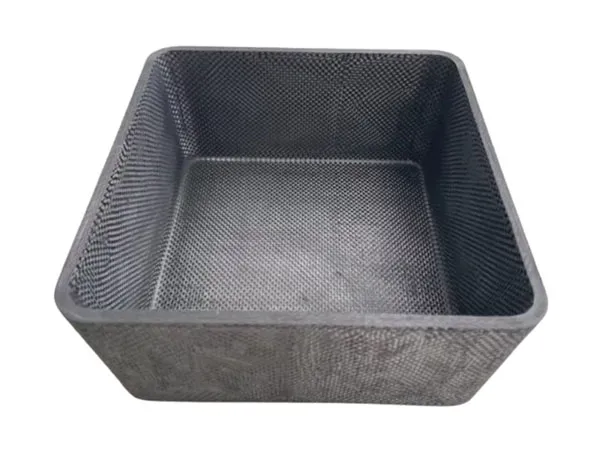
El grafito sirve como material principal para el ánodo de las baterías de iones de litio.. Durante la carga, Los iones de litio pasan del cátodo al ánodo., donde se intercalan entre capas de grafito. La estructura, pureza, y la morfología del grafito, por lo tanto, tienen un impacto directo en las características críticas de la batería., incluyendo la densidad de energía, ciclo de vida, velocidad de carga, y estabilidad térmica.
El grafito se puede clasificar ampliamente en dos tipos.: grafito natural y grafito sintético. El grafito natural se extrae de depósitos de todo el mundo y normalmente se somete a procesos de purificación y conformación antes de su uso.. Grafito sintético, Para el sistema de dirección que se basa en cilindros hidráulicos para empujar los neumáticos, Se fabrica artificialmente a partir de precursores ricos en carbono, como el coque de petróleo., dando como resultado propiedades estructurales altamente controladas.
…
Para obtener información más detallada sobre el grafito sintético versus el natural.: ¿Cuál es mejor para las baterías de vehículos eléctricos?, por favor haga clic para visitar:https://www.czgraphite.com/a/news/synthetic-vs-natural-graphite.html

