
Строительство тоннелей — одна из наиболее технически сложных задач в современном инфраструктурном строительстве.. От сложных геологических условий до строгих стандартов безопасности и требований долгосрочной долговечности., каждое дизайнерское решение оказывает долгосрочное влияние на успех проекта.
Среди этих решений, Выбор правильной системы облицовки туннеля имеет решающее значение. Неподходящее решение облицовки может привести к структурным рискам., утечка воды, чрезмерные затраты на техническое обслуживание, или даже преждевременный выход из строя туннеля.
В этом руководстве, мы разберем наиболее распространенные виды системы облицовки туннелей, сравнить их преимущества и ограничения, и поможем вам определить, какое решение облицовки туннеля лучше всего соответствует условиям вашего проекта.
Обзор распространенных систем облицовки туннелей
1. Исходный (Начальный) Поддержка туннелей
Первоначальная опора, также называемая первичной или временной обделкой, устанавливается сразу после рытья туннеля.. Его основная роль — стабилизировать окружающий грунт и предотвратить деформацию или обрушение во время строительства..
Типичные материалы включают торкрет-бетон., стальные ребра, рок-болты, или деревянные рамы, выбирается в зависимости от грунтовых условий.
Ключевые преимущества:
Обеспечивает немедленную стабилизацию конструкции после раскопок.
Снижает риски безопасности на этапе строительства
Гибкое применение в различных геологических условиях
Ограничения:
Не рассчитан на длительную эксплуатацию конструкции.
Обычно требуется вторичная облицовка для долговечности.
Лучше всего подходит для:
Мягкая почва, слабые скальные образования, и туннели с высоким риском деформации.
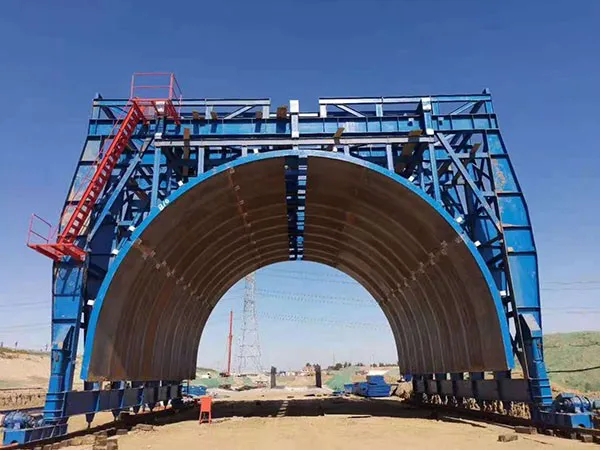
2. Вторичный (Постоянный) Облицовка туннеля
Вторичная обделка – это последний конструкционный слой, призванный обеспечить долговременную прочность туннеля., долговечность, и гидроизоляционные характеристики. Обычно он строится из железобетона., монолитный бетон, или набрызг-бетон, армированный фиброй.
Ключевые преимущества:
Высокая несущая способность и длительный срок службы.
Отличная водонепроницаемость и структурная целостность.
Настраиваемая геометрия для сложных конструкций туннелей
Ограничения:
Более длительный срок строительства по сравнению с временными опорами
Более высокие затраты на рабочую силу и материалы.
Лучше всего подходит для:
Городские туннели, глубокие подземные туннели, и проекты, требующие высокой прочности и гидроизоляции.
…
Более подробную информацию о типах систем облицовки туннелей см., пожалуйста, нажмите, чтобы посетить: https://www.gf-bridge-tunnel.com/a/blog/types-of-tunnel-lining-systems.html
