
В современном архитектурном убранстве, перевозка, и промышленное производство, Алюминиевая катушка с печатным покрытием PVDF стал одним из наиболее широко используемых высокопроизводительных материалов благодаря своей превосходной устойчивости к атмосферным воздействиям., эстетическая универсальность, и механическая стабильность. Среди всех показателей эффективности, характеристики изгиба играют решающую роль, поскольку от них напрямую зависит, можно ли безопасно формовать материал., обработано, и применяется в реальных инженерных средах без повреждения поверхности или разрушения конструкции.
Понимание поведения изгиба печатной алюминиевой катушки с покрытием PVDF имеет важное значение для инженеров., производители, и специалисты по закупкам, стремящиеся обеспечить долговечность, и экран выйдет из строя преждевременно под действием знакопеременной нагрузки, и долгосрочная надежность обслуживания. В этой статье представлен всесторонний анализ его характеристик на изгиб с точки зрения материаловедения., включая влияющие факторы, методы тестирования, актуальность приложения, и соображения выбора.
Понимание печатной алюминиевой катушки с покрытием PVDF
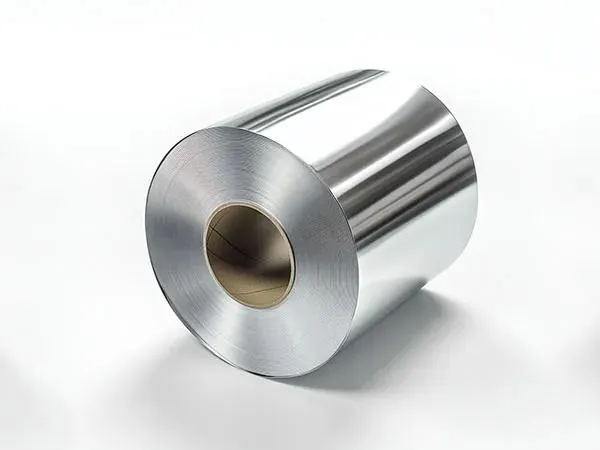
Печатная алюминиевая катушка с покрытием PVDF представляет собой алюминиевый материал подложки, покрытый поливинилиденфторидом. (PVDF) смола и дальнейшая обработка с использованием высококачественной технологии печати.. Система покрытия ПВДФ известна своей исключительной химической стабильностью., устойчивость к ультрафиолетовому излучению, и длительный срок службы, что делает его подходящим для наружных архитектурных применений, таких как навесные стены., кровельные системы, и декоративные фасады.
Печатный слой добавляет эстетическую ценность, позволяя создавать такие узоры, как текстура древесины., каменная текстура, металлическая отделка, и индивидуальный графический дизайн. Однако, за пределами видимости, механическая целостность покрытия в процессе формования, особенно изгиб, определяет, сможет ли материал сохранить свои функциональные и визуальные характеристики после изготовления.
Важность характеристик изгиба в инженерных приложениях
Характеристики изгиба относятся к способности алюминиевой катушки с покрытием выдерживать деформацию без растрескивания., шелушение, отбеливание, или отслоение слоя покрытия. В реальном производстве, Алюминиевые рулоны часто подвергаются профилированию, складной, штамповочный, и изгибаясь в сложные формы.
Если системе покрытия не хватает достаточной гибкости или адгезии., в процессе обработки могут возникнуть поверхностные дефекты, что может существенно снизить качество и срок службы продукции. Поэтому, производительность при изгибе является не только лабораторным показателем, но и практическим эталоном качества для промышленных пользователей..
Для архитектурных применений, характеристики изгиба определяют, можно ли из панелей сформировать изогнутые фасады или конструкции с острыми краями.. В транспортной и бытовой промышленности, это влияет на технологичность и точность сборки.
Ключевые факторы, влияющие на производительность гибки
1. Выбор подложки из алюминиевого сплава
На изгиб печатной алюминиевой катушки с покрытием из ПВДФ сильно влияют механические свойства алюминиевой подложки.. Сплавы, такие как 3003, 3105, и 5005 обычно используются из-за их сбалансированной прочности и пластичности.. Подложка с более высокой способностью к удлинению обычно обеспечивает лучшую устойчивость к растрескиванию во время изгиба..
Если сплав слишком твердый или имеет недостаточную пластичность, под напряжением могут образовываться микротрещины, который может распространяться в слой покрытия.
2. Толщина и структура покрытия
Система покрытия ПВДФ обычно состоит из слоя грунтовки., слой цветного покрытия, и защитный слой. Толщина и однородность этих слоев существенно влияют на гибкость..
…
Для получения более подробной информации о свойствах изгиба печатных алюминиевых рулонов с ПВДФ-покрытием и влияющих на них факторах, пожалуйста, нажмите, чтобы посетить: https://www.dw-al.com/a/news/bending-performance-of-pvdf-coated-printed-aluminum-coil.html

