
1. Propiedades mecánicas: El acero ofrece mayor resistencia bajo presión
La diferencia fundamental radica en la ciencia de los materiales.. El acero tiene un límite elástico significativamente mayor, generalmente 250–350 MPa para acero estructural versus 200–300 MPa para aleaciones de aluminio de alta resistencia. En encofrado de túneles, que debe soportar ciclos repetidos de vertido de hormigón y cargas pesadas, El acero conserva su forma con menos deflexión.. De aluminio, aunque fuerte inicialmente, Puede experimentar deformación permanente bajo estrés elevado repetido., especialmente a temperaturas elevadas (común en el curado del hormigón).
1.1 Vida a fatiga y durabilidad del ciclo
El acero exhibe una resistencia superior a la fatiga. En una aplicación típica de encofrado de túneles de 1000 ciclos, Los paneles de acero muestran un desgaste mínimo., mientras que los paneles de aluminio a menudo comienzan a agrietarse o deformarse después de 300 a 500 ciclos. Los sistemas de encofrado de túneles de acero de Gaofei están diseñados con Acero Q235B o Q355B (límite elástico 235–355 MPa) y tratado térmicamente para mejorar la durabilidad, Proporciona una vida útil de 2 a 3 veces más larga que los sistemas de aluminio comparables..
1.2 Comparación de capacidad de carga
- Acero: Puede soportar de forma segura una presión de hormigón de hasta 80–100 kN/m² sin deflexión excesiva.
- De aluminio: Normalmente limitado a 50–70 kN/m²; Se necesitan secciones más gruesas para cargas más altas que aumentan el peso y el costo..
Para tramos de túnel altos (arriba 4 metros) o grandes luces, La rigidez del acero es esencial para mantener la precisión dimensional y evitar el pandeo de la losa..
2. Desgaste: El acero resiste la abrasión, Abolladuras, y daños superficiales
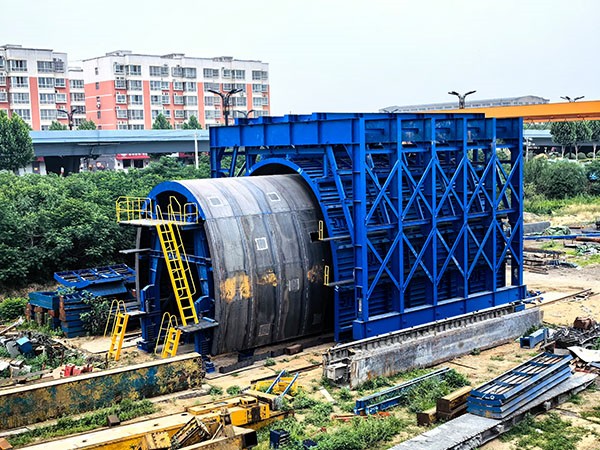
En sitios de construcción, El encofrado se enfrenta a un abuso constante por parte de las barras de refuerzo., derrame de concreto, herramientas de limpieza, e impactos accidentales. de acero dureza (120–200 HB) es aproximadamente 3 veces la del aluminio (60–80 HB). Esto significa que el acero es mucho menos propenso a sufrir roturas., abolladuras, y rayones superficiales. Incluso con una capa protectora, La superficie más suave del aluminio se daña más rápido., lo que lleva a acabados de hormigón más ásperos y una reutilización reducida.
…
Para obtener más información sobre la durabilidad superior del encofrado de túneles de acero en comparación con el encofrado de aluminio, por favor haga clic para visitar:https://www.gf-bridge-tunnel.com/a/blog/steel-tunnel-formwork.html

