Выбор правильного челюсть model is a critical decision that can significantly impact the efficiency and profitability of your operation. A well-suited crusher will handle your material effectively, meet your production targets, and require less maintenance over time. Переключение передач фактически меняет отношение частоты вращения двигателя к частоте вращения вала коробки передач., a poor choice can lead to bottlenecks, чрезмерный износ, and increased operating costs.

Key Factors to Consider When Selecting a Jaw Crusher Model

jaw crusher

1. Характеристики материала

Твердость и абразивность: This is arguably the most important factor. Hard and abrasive materials like granite, базальт, and certain ores require a crusher with a robust structure and high-quality, wear-resistant components (например, high manganese steel jaw plates). Softer materials like limestone or asphalt can be processed by crushers with lower power and less-durable components.

Feed Size and Shape: You need to measure the maximum size of the material you will be feeding into the crusher. The feed opening of the jaw crusher must be large enough to accommodate this material without causing jams or bridging. A good rule of thumb is that the maximum feed size should be no more than 80% of the crusher’s feed opening.

Содержание влаги: Materials with high moisture content can be sticky and prone to clogging the crushing chamber. If you are dealing with wet or sticky materials, you should select a crusher with a larger discharge opening and a design that facilitates good drainage to prevent operational issues.

2. Production Requirements

Required Capacity: Crushers are rated by their output in tons per hour (ТПХ). You need to determine your desired production volume and choose a model with a capacity that can meet or exceed your targets. Underpowered crushers will create bottlenecks in your production line.

For more detailed information on how to choose the right jaw crusher model, пожалуйста, нажмите здесь:https://www.yd-crusher.com/a/news/how-to-choose-the-right-jaw-crusher-model.html

Цикл замены изнашиваемых деталей конусной дробилки, как мантия и вогнутая (вкладыш чаши), не является фиксированным, но обычно варьируется от нескольких недель до нескольких месяцев. Общее руководство для конусная дробилка эксцентриковая втулка и втулки замена каждые 1000-2000 часы работы, пока упорный подшипник может прослужить 1500-3000 часов.

Фактическая продолжительность жизни во многом зависит от нескольких ключевых факторов., поэтому крайне важно внимательно следить за износом, а не придерживаться жесткого графика..

Ключевые факторы, влияющие на срок службы изнашиваемых деталей

cone crusher

Срок службы является прямым результатом взаимодействия между измельчаемым материалом и режимом работы дробилки..

1. Характеристики материала (Самый важный фактор)

Абразивность: Это самый важный фактор. Материалы с высоким содержанием кремнезема (Sio₂) содержание, как гранит, кварцит, и абразивный речной камень, изнашиваются вкладыши очень быстро. Мягкие материалы, такие как известняк или уголь, обеспечивают очень длительный срок службы..

Твердость: Хотя это связано с абразивностью, очень твердый, но неабразивный материал может быть трудно раздавить, но он не обязательно будет быстро изнашивать вкладыши.

Размер подачи: Подача материала слишком большого размера (плитообразный или негабаритный) для камеры дробления может вызвать локальные “точечная загрузка” и стресс, приводит к преждевременному растрескиванию и неравномерному износу.

Загрязняющие вещества: Наличие несокрушимых “бродяга” металл (репортаж, зубья ковша, п.) может вызвать катастрофический отказ мгновенно. Высокое содержание глины может упаковываться в камере, приводит к высокому давлению и ускоренному износу.

Более подробную информацию о цикле замены изнашиваемых деталей конусных дробилок см., пожалуйста, нажмите здесь:https://www.yd-crusher.com/a/news/cone-crusher-wearing-parts-replacement-cycle.html

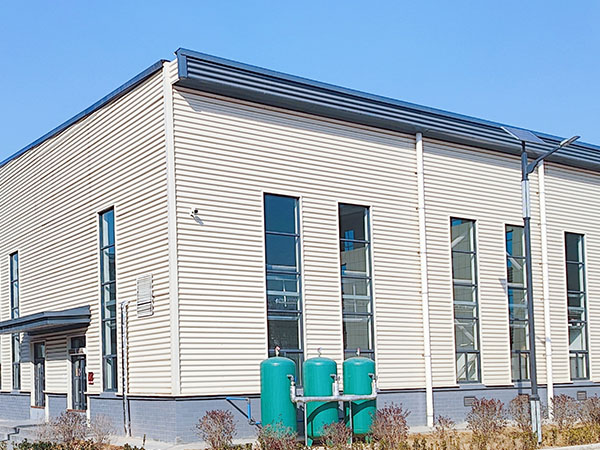
Здания со стальными конструкциями стали доминирующим выбором в современном строительстве для широкого спектра проектов., от небоскребов и промышленных складов до жилых домов. Их популярность обусловлена ​​мощным сочетанием преимуществ..

Преимущества зданий со стальными конструкциями

Steel structure buildings

1. Конструкция и скорость

Более высокая скорость строительства: Это одно из самых существенных преимуществ. Стальные компоненты изготавливаются за пределами площадки в контролируемых заводских условиях, а фундамент закладывается на месте.. После доставки, эти компоненты могут быть быстро установлены, значительное сокращение общих сроков проекта. Это приводит к более раннему возврату инвестиций..

Заводское изготовление и точность: Сталь изготавливается по точным спецификациям., это означает, что компоненты идеально сочетаются друг с другом. Такой высокий уровень точности снижает необходимость корректировок на месте., минимизирует ошибки, и обеспечивает более высокое качество конечного продукта.

Сокращение труда на месте: Поскольку большая часть работы выполняется на заводе, на строительной площадке требуется меньше рабочих. Это не только снижает затраты на рабочую силу, но также повышает безопасность на объекте и уменьшает заторы..

Всепогодное строительство: Стальные компоненты можно устанавливать в большинстве погодных условий., в отличие от бетона, который во время затвердевания может быть чувствителен к температуре и дождю. Это делает планирование проекта более надежным..

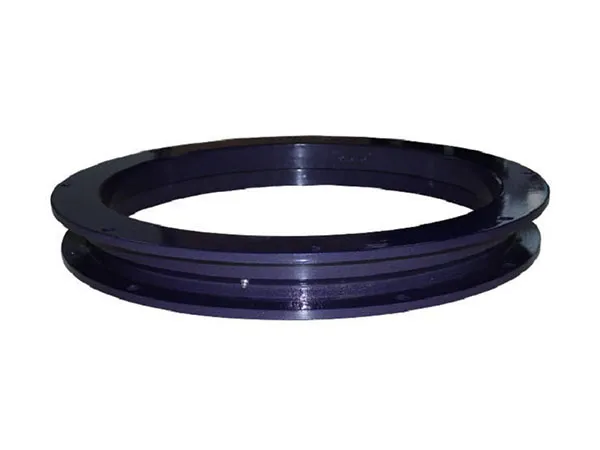
2. когда точность вращения подшипника не соответствует требованиям, Производительность, и долговечность

Исключительное соотношение прочности и веса: Сталь невероятно прочна для своего веса. Это позволяет создавать длинные, открыть, пространства без столбцов (длинные пролеты) которых трудно достичь с помощью других материалов, таких как бетон или дерево.. Идеально подходит для ангаров для самолетов., склады, концертные залы, и офисы открытой планировки.

Гибкость дизайна и архитектурная свобода: Прочность стали дает архитекторам огромную свободу.. Его можно согнуть и придать ему уникальную форму., изогнутый, и сложные конструкции, которые были бы невозможны с другими материалами. Тонкий профиль стальных элементов также позволяет увеличить площадь остекления и окон..

Прочность и долговечность: Стальные конструкции отличаются высокой прочностью. Они устойчивы к:

Вредители: Термиты, грызуны, и другие вредители не могут повредить стальную раму.

Гниль и плесень: Сталь не гниет, деформировать, расколоть, или треснуть как дерево.

Огонь: Хотя сталь может потерять прочность при очень высоких температурах., это негорючий (он не зажжет и не разожжет пожар). Его также можно обработать огнестойкими покрытиями, чтобы соответствовать нормам пожарной безопасности и превосходить их..

Устойчивость к стихийным бедствиям: Свойства стали делают ее отличным выбором для зданий в зонах повышенного риска..

Для получения более подробной информации о преимуществах зданий со стальными конструкциями, пожалуйста, нажмите здесь:https://www.meichensteel.com/a/news/steel-structure-buildings-advantages.html

Reinforcing and renovating стальные конструкции is a critical field in civil and structural engineering, aimed at extending a structure’s service life, increasing its load-carrying capacity, repairing damage, or adapting it for a new use. The methods range from traditional techniques to modern advanced composites.

Steel Structure Reinforcement and Renovation Methods

Steel Structure

There are several methods for reinforcing and renovating steel structures, depending on the extent of damage, the reason for the reinforcement, and the desired outcome. The primary goal is to increase the structure’s load-bearing capacity, жесткость, or durability.

Category A: Section Enlargement and Addition

This is the most traditional and common approach. The goal is to increase the cross-sectional area or the moment of inertia of a member.

Welding or Bolting Steel Plates:

Flange Plates: Attaching plates to the top and/or bottom flanges of beams or girders. This significantly increases the section modulus and bending strength.

Web Plates: Adding plates to the web of a beam to increase its shear capacity or prevent web crippling. These can bedoubler plates.

Cover Plates: A general term for plates added to any face of a steel member (например, a box column) to increase its axial or bending capacity.Adding New Structural Members:

Adding Beams or Joists: Installing new members to reduce the span of existing ones, thereby lowering the load they must carry.

Adding Bracing: Installing diagonal members (например, X-bracing, K-bracing) to a frame to increase its lateral stiffness and strength against wind or seismic forces.

Adding Columns: Placing new columns under existing beams or trusses to provide intermediate support and reduce bending moments.

Changing the Structural System:

This is a more complex approach where the fundamental way a structure carries load is altered. Например:

Converting a simple beam into a truss by adding diagonal and vertical members below it.

Adding external arches or cable-stays to support a long-span beam or bridge deck.

Category B: Advanced Composite Materials

These methods use modern, high-strength, lightweight materials.

Fiber-Reinforced Polymers (FRP):

How it Works: High-strength carbon (CFRP) or glass (GFRP) fiber sheets or strips are bonded to the surface of the steel member using a strong epoxy adhesive.

Приложение: Typically applied to the tension flange of beams to increase their bending capacity. Can also be used to wrap columns for increased strength or confine them against buckling.

преимущества: Very high strength-to-weight ratio, excellent corrosion resistance, minimal change to the member’s dimensions, and rapid installation.

More detailed information on steel structure reinforcement and transformation methods can be found at:https://www.meichensteel.com/a/news/steel-structure-reinforcement-and-renovation-methods.html

Проектирование multi-story steel structure requires careful consideration of several key points to ensure the building is safe, stable, and durable. The design process must account for various loads, свойства материала, и методы строительства.

Key Points in the Design of Multi-story Steel Structure Buildings

Multi-story Steel Structure Buildings

1. Conceptual & System-Level Design

This is the foundational stage where the primary structural scheme is decided.

а. Structural System Selection

The choice of the structural system is the most important decision, as it dictates how the building will resist both gravity and lateral loads. The main options are:

Скрепленные рамы: These use diagonal members in a truss-like configuration to provide lateral stability.

Key Points: Very efficient and stiff for resisting lateral forces (ветер, сейсмический). Economical in terms of steel weight. The main drawback is that the diagonal braces can interfere with architectural elements like windows and doors.

Типы: Concentrically Braced Frames (CBF) and Eccentrically Braced Frames (EBF). EBFs are designed to be more ductile for seismic applications.

Устойчивые к моменту рамы (Жесткие рамы): These rely on rigid connections between beams and columns to resist lateral forces.

Key Points: Allows for open architectural bays without diagonal braces. Offers more design flexibility. Однако, it requires heavier columns and beams and more complex, expensive moment connections. The frame is also generally more flexible (less stiff) than a braced frame.

Shear Wall / Core Systems: Often used in taller buildings, this system uses concrete or steel plate shear walls, typically around elevator shafts and stairwells, to create a stiff central core that resists all lateral loads.

Key Points: Extremely stiff and efficient for high-rises. The rest of the steel framing can be designed with simple, cheaper connections just for gravity loads.

Hybrid Systems: Combining elements of the above systems (например, a moment frame in one direction and a braced frame in the other) to optimize performance and cost.

For more detailed information on the key points of multi-story steel structure design, пожалуйста, нажмите здесь:https://www.meichensteel.com/a/news/key-points-in-the-design-of-multi-story-steel-structure-buildings.html

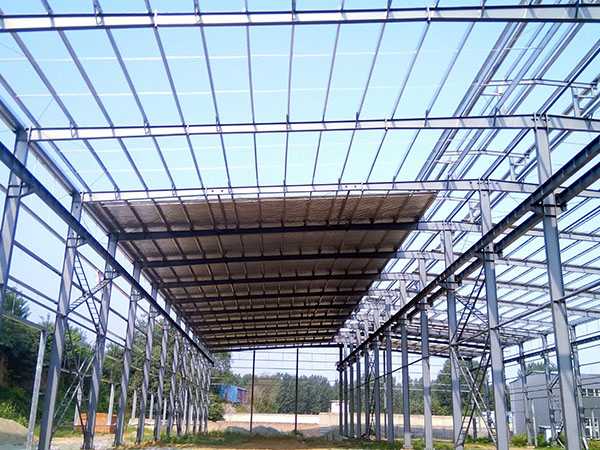
А steel structure workshop is a building where the primary load-bearing frame is made of steel components, including columns, балки, фермы, and bracing. These structures are popular for their strength, долговечность, скорость строительства, and large, open-span interiors. The construction process is a blend of off-site precision manufacturing and on-site assembly.

Steel Structure Workshop Construction Process

Steel Structure Workshop

The entire process can be divided into six main phases:

Фаза 1: Pre-Construction, Planning, and Design

Фаза 2: Строительство фундамента

Фаза 3: Изготовление компонентов (Выездной)

Фаза 4: On-Site Erection and Installation

Фаза 5: Cladding, Roofing, and Building Envelope

Фаза 6: Interior Works, Член членов директоров, and Final Handover

Фаза 1: Pre-Construction, Planning, and Design

This is the most critical phase, as all subsequent work depends on the decisions made here.

1. Initial Requirements & Технико-экономическое обоснование:

Client Consultation: The process begins with understanding the client’s needs: the workshop’s purpose (например, производство, складирование, ремонт), required internal dimensions (длина, ширина, eave height), and special requirements like overhead cranes, specific floor loads, or large door openings.

Budgeting & Выбор места: A preliminary budget is established. The chosen site is evaluated for accessibility, utilities, and ground conditions.

2. Site Survey & Geotechnical Investigation:

Topographical Survey: A licensed surveyor maps the site’s boundaries, elevation, and existing features.

Geotechnical Report: A geotechnical engineer drills boreholes to analyze the soil’s composition, сила, and load-bearing capacity. This report is essential for designing the correct type of foundation.

3. Architectural and Structural Design:

Архитектурный дизайн: An architect creates the overall layout, floor plans, возвышения, and appearance of the workshop.

Структурная инженерия: A structural engineer performs the core design work. Using software like STAAD.Pro or SAP2000, they:

More detailed information about the steel structure workshop construction process can be found here:https://www.meichensteel.com/a/news/steel-structure-workshop-construction-process.html

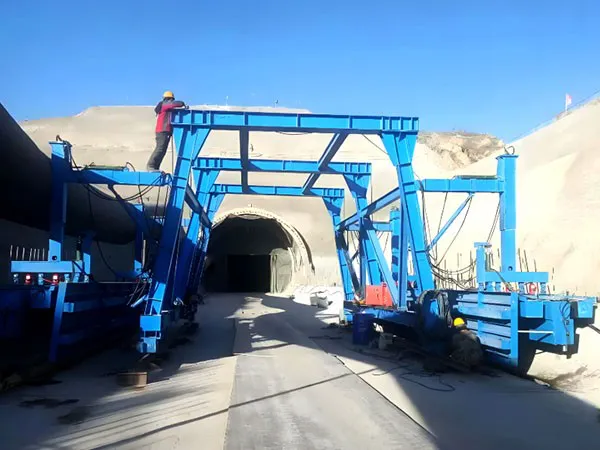
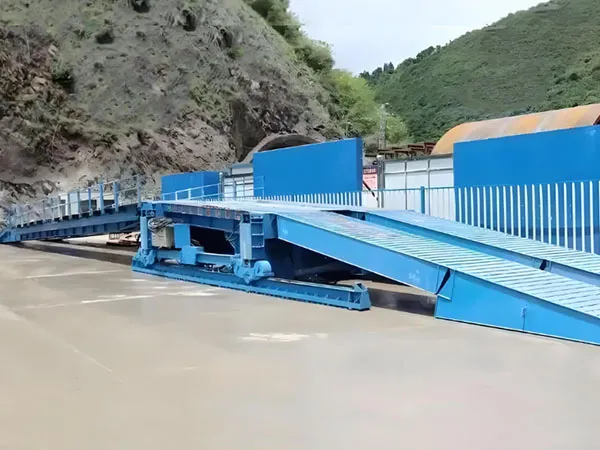
Troubleshooting the hydraulic system of a Туннельная подкладка involves a systematic approach, starting with basic checks and progressing to more complex diagnostics. The most common issues relate to pressure, температура, and contamination.

Tunnel Lining Trolley Hydraulic System Troubleshooting Guide

tunnel lining trolley

Часть 1: Understanding the Basic Components

To troubleshoot, you need to know what you’re looking at. A typical tunnel lining trolley hydraulic system includes:

Hydraulic Power Unit (HPU):

Reservoir (танк): Holds the hydraulic fluid.

Electric Motor or Diesel Engine: Drives the pump.

Hydraulic Pump: Creates the flow of fluid.

Фильтры: Clean the fluid (suction, давление, and return lines).

Heat Exchanger (Cooler): Prevents the fluid from overheating.

Control Valves:

Directional Control Valves: Direct the fluid to the correct actuator (often solenoid-operated).

Pressure Relief Valve: The system’s primary safety valve, it opens to send fluid back to the tank if pressure gets too high.

Flow Control Valves: Regulate the speed of actuators.

Check Valves & Pilot-Operated Check Valves: Allow flow in one direction and are used to lock cylinders in place.

Actuators:

Hydraulic Cylinders: Perform the work (lifting/lowering the gantry, expanding/retracting the formwork, propulsion, steering).

Conductors:

Hoses and Pipes: Transport the fluid.

Часть 2: The Systematic Troubleshooting Approach

Don’t just start replacing parts. Follow a logical process.

шаг 1: Gather Information & Observe

What is the exact problem? (например, “The main lift cylinders won’t extend,” “The whole system is slow,” “The pump is making a loud screaming noise.”)

When did it start? Was it a sudden failure or a gradual decline in performance?

More detailed information on how to troubleshoot the hydraulic system of the tunnel lining trolley can be found at: https://www.gf-bridge-tunnel.com/a/blog/troubleshooting-of-hydraulic-system-of-tunnel-lining-trolley.html

Improving the efficiency of tunnel lining construction is a multifaceted challenge that requires a holistic approach, from initial design to on-site execution. Key strategies focus on technological innovation, process optimization, and a highly coordinated workforce.

How to improve the efficiency of tunnel lining construction

tunnel lining trolley

1. Optimize Design and Materials

Select the Right Lining Method: The choice between a precast segmental lining and a cast-in-place concrete lining is the most fundamental decision.

Precast Segments: Ideal for long, straight tunnels, especially in soft ground. Segments are manufactured off-site in a controlled environment, which ensures high quality and allows for simultaneous production and excavation, greatly speeding up the overall project.

Монолитный (СИП): Often more suitable for complex geometries, short tunnels, or areas where ground conditions make precast segments impractical. The use of advanced, fully automated tunnel lining trolleys can significantly increase the speed and precision of CIP construction.

Innovate with Concrete Mixes:

Fiber-Reinforced Concrete: Adding structural fibers (например, steel or synthetic) can partially or completely replace traditional steel bar reinforcement. This reduces the time and labor required for rebar placement and can also improve the concrete’s tensile strength and durability.

High-Performance Concrete: Utilizing high-early-strength concrete with chemical admixtures can reduce the curing time required before formwork stripping and segment handling, accelerating the construction cycle.

Self-Compacting Concrete (SCC): This highly fluid concrete flows easily into the formwork, even around complex reinforcement, without the need for vibration. This saves time, reduces labor, and improves the final quality of the lining by eliminating honeycombing.

Implement Integrated Design: Design the tunnel and its lining from aconstructabilityperspective. This includes using numerical modeling and Finite Element Analysis (FEA) to simulate construction stages, identify potential issues, and optimize the lining thickness and reinforcement to be both safe and efficient.

2. Leverage Advanced Machinery and Automation

Utilize Fully Automated Formwork Systems: В Туннельная подкладка is the heart of the operation.

Telescopic and Hydraulic Systems: Modern trolleys with telescopic formwork and hydraulic systems allow for rapid advancement and precise positioning. They can be operated by a small crew, reducing manual labor and the risk of error.

Integrated Functions: Look for trolleys that combine multiple functions, such as formwork stripping, движущийся, and re-erecting, into a single, automated cycle.

Adopt Smart Technologies and Robotics:

Автоматизация: Integrate automation for concrete pouring, вибрация, and curing to ensure consistency and speed.

Real-time Monitoring: Use sensors and monitoring systems to track concrete strength, температура, and pressure. This data allows for real-time adjustments and ensures that the lining meets quality specifications, preventing costly rework.

Робототехника: Robotic systems can be used for repetitive or hazardous tasks like shotcrete application, surveying, or handling materials, which improves safety and consistency.

3. Streamline On-site Processes

tunnel lining trolley

Optimize Logistics and Supply Chain:

Just-in-Time Delivery: Coordinate with concrete suppliers and precast segment manufacturers to ensure materials are delivered precisely when needed. This minimizes on-site storage space and reduces potential material degradation.

More detailed information on how to improve tunnel lining construction efficiency can be found at: https://www.gf-bridge-tunnel.com/a/blog/improving-tunnel-lining-construction-efficiency.html

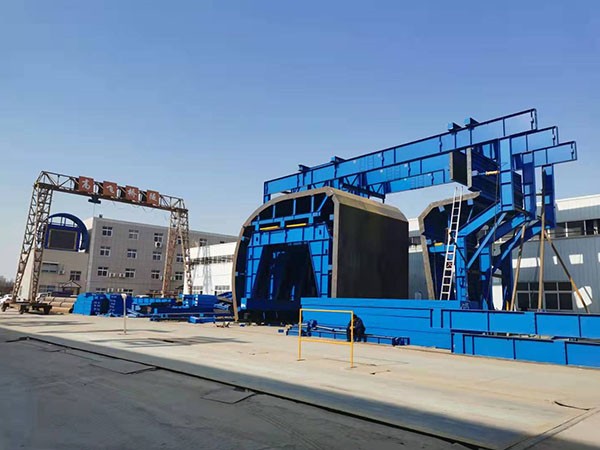
А Туннельная подкладка, also known as a tunnel formwork system, is a specialized piece of equipment essential for the secondary concrete lining of a tunnel. The selection of the correct trolley is a critical decision that directly impacts the safety, эффективность, and quality of a tunnel project. The main factors to consider when choosing a tunnel lining trolley are the tunnel’s geometry, the construction method, the required production rate, и уровень автоматизации.

Tunnel Lining Trolley Selection Guide

tunnel lining trolley

Введение: What is a Tunnel Lining Trolley?

A Tunnel Lining Trolley, also known as a formwork gantry or shuttering carriage, is the backbone of the cast-in-situ concrete lining process in tunnels. It is a large, mobile steel structure designed to:

Support the Formwork: It holds the steel molds (forms) in the precise shape of the tunnel’s final concrete lining.

Facilitate Concrete Placement: It provides access and infrastructure for pouring concrete into the cavity between the formwork and the excavated rock/soil surface.

Strip and Advance: After the concrete has cured, the trolley hydraulically retracts the formwork (strips it) and moves itself forward to the next section to repeat the process.

Selecting the right trolley is not just a procurement decision; it is a critical engineering choice that directly impacts project speed, качество, безопасность, и бюджет. A poorly chosen trolley can lead to construction delays, poor concrete finish, and significant safety hazards.

Types of Tunnel Lining Trolleys

Tunnel lining trolleys can be broadly classified based on their function, Дизайн, and the type of lining they install.

Монолитный (СИП) Тележки: These trolleys support formwork into which concrete is poured to create a seamless, monolithic tunnel lining.

Телескопическая тележка для опалубки: The most common type for long tunnels, the formwork sections retract ortelescopeinwards after the concrete has cured, allowing the entire trolley to pass through the newly cast section and move to the next work area without being dismantled.

Полнокруглая тележка для опалубки: This type carries formwork for the entire tunnel cross-section (инвертировать, стены, и арка) and allows for a single concrete pour, making it ideal for circular or near-circular tunnels.

Arch Formwork Trolley: This trolley is used when the tunnel invert (пол) is cast separately. It carries the formwork for the upper arch and sidewall sections and is commonly used for horseshoe-shaped tunnels.

For more detailed information on the tunnel lining trolley selection guide, пожалуйста, нажмите здесь: https://www.gf-bridge-tunnel.com/a/blog/tunnel-lining-trolley-selection-guide.html

Improving облицовка туннеля quality involves a combination of careful design, выбор материала, and rigorous construction and monitoring practices. The quality of a tunnel lining is crucial for its long-term stability, долговечность, и безопасность. A poor-quality lining can lead to issues like cracks, leaks, and structural degradation over time.

How to improve tunnel lining quality

Tunnel Lining Formwork

Pre-Construction and Design

A high-quality tunnel starts with a solid plan before any digging begins.

Thorough Geotechnical Investigation: Before construction, a detailed investigation of the ground conditions is essential. This includes understanding the rock or soil type, groundwater levels, and potential for seismic activity. This data informs the design and helps select the most suitable lining method and materials.

Optimal Design: The tunnel lining design must be optimized to handle anticipated loads from the surrounding rock and soil. Advanced techniques like numerical modeling (например, Finite Element Analysis) can simulate complex ground-lining interactions to create a reliable and less conservative design.

Выбор материала

The materials used for the lining are a major factor in its quality. The right materials enhance durability and structural integrity.

High-Performance Concrete (HPC): Using HPC with improved mechanical properties, such as higher compressive strength and lower permeability, makes the lining more durable and resistant to harsh environmental conditions.

Fiber-Reinforced Concrete: The addition of fibers (В конструкции разгрузочного компонента используется стальной лист толщиной 12 мм., углерод, or synthetic) to concrete, especially in shotcrete, enhances its tensile strength, пластичность, and crack resistance.

Waterproofing: Incorporating waterproofing measures like membranes and gaskets is critical to prevent water ingress, which can cause erosion, rebar corrosion, and structural instability.

More detailed information on how to improve tunnel lining quality can be found at: https://www.gf-bridge-tunnel.com/a/blog/how-to-improve-tunnel-lining-quality.html