Graphite molds are widely used in metal casting, glass molding, electronic metallurgy and other fields, due to its excellent high temperature resistance, chemical stability and good thermal conductivity is widely adopted. Sin embargo, after experiencing high temperature casting process, the surface of the mold will often residual metal oxides, carbides, lubricant residues or other impurities, if not cleaned in a timely manner, will not only affect the accuracy of the mold and the quality of the surface, but also accelerate the aging of the mold, shorten the service life.

Cleaning graphite molds after casting is crucial for maintaining their performance and extending their lifespan.

How to Clean Graphite Molds After Casting

Graphite Molds

Why clean graphite molds?

Extend the life of the mold: removing residue reduces heat stress buildup and chemical corrosion;

Ensure casting quality: a clean mold surface enhances the finish of the next round of casting;

Avoiding dimensional errors: mold residues may cause molding deviations;

Improve productivity: avoid scrap or rework due to contamination.

Common cleaning methods

Mechanical cleaning

Use soft bristle brush or plastic scraper to remove surface impurities;

For thicker residues, micro-sand blasting (low-pressure sand blasting) se puede utilizar.

Heat treatment cleaning

The mold is placed in an oven and heated to break down the attached organic impurities;

Often used in conjunction with an inert gas atmosphere (e.g. nitrogen) to avoid oxidation.

Chemical Cleaning

Soak or scrub the graphite surface with a non-corrosive cleaning solution;

Avoid the use of solutions containing strong acids or bases that may damage the graphite structure.

Ultrasonic cleaning (precision molds)

Suitable for micro-fine structure molds, can effectively remove tiny particles;

For more information on how to clean graphite molds after casting, por favor haga clic aquí:https://www.czgraphite.com/a/news/how-to-clean-graphite-molds-after-casting.html

The lifespan of rodamientos de sección delgada, like all bearings, isn’t a fixed number of years but is rather determined by a complex interplay of factors, primarily expressed as theirrating lifeor L10 life.

How Long Do Thin Section Bearings Last

thin section bearings

L10 Life (Basic Rating Life):

This is a standard industry measure. The L10 life is the life in millions of revolutions that 90% of a representative group of identical bearings can be expected to achieve or exceed before material fatigue occurs. The life that 50% of bearings may achieve (L50 or median life) es aproximadamente 5 times the L10 life.

How is it calculated?

The L10 life can be estimated using a formula:L10=(C/P)p, dónde:

L10 = basic rating life (millions of revolutions)

do = Dynamic load rating (from the manufacturer’s catalog)

PAG = Equivalent dynamic bearing load (actual load applied)

p = exponent (3 for ball bearings, 10/3 for roller bearings)

f the speed is constant, it’s often more practical to calculate the life in operating hours:L10h=(106/(60n))L10, dónden is the rotational speed in revolutions per minute (r/min).

thin section bearings

Key Factors Influencing Thin Section Bearing Life:

Carga: Este es posiblemente el factor más crítico.. Higher loads significantly reduce bearing life. It’s generally not advisable to apply loads equal to the dynamic load ratings for continuous rotation if a long life is desired.

Velocidad: Higher rotational speeds can generate more heat and affect lubricant performance, impacting life.

For more detailed information on the how long do thin section bearings last, por favor haga clic aquí: https://www.lynicebearings.com/a/blog/how-long-do-thin-section-bearings-last.html

Cojinetes de sección delgada, characterized by their small and constant cross-section regardless of bore diameter, are designed for applications where space and weight are critical. Within this category, a key distinction lies between sealed and open bearings, primarily concerning their protection against the environment and lubrication management.

Differences Between Sealed and Open Thin Section Bearings

Thin Section Bearings

1. Protection from Contaminants:

Sealed Thin Section Bearings: These bearings have integrated seals (typically made of rubber or other elastomeric materials) that create a barrier, preventing dirt, polvo, humedad, and other contaminants from entering the bearing’s internal components.

ventajas:

Excellent Contamination Prevention: Ideal for harsh, dirty, or wet environments.

Extended Bearing Life: By keeping contaminants out, wear and damage are significantly reduced.

Reduced Maintenance: A menudo “lubricated for lifeand do not require re-lubrication, leading to lower maintenance costs and less downtime.

Lubricant Retention: The seals effectively retain the internal lubricant (usually grease), ensuring consistent lubrication and preventing degradation.

desventajas:

Higher Friction: The contact between the seals and the rotating components can generate more friction, potentially leading to slightly higher operating temperatures and limiting maximum speeds.

Mayor costo inicial: The manufacturing process for integrating seals adds to the initial cost.

Limited Accessibility for Inspection/Maintenance: The seals make it difficult to access the internal components for inspection or troubleshooting. If the internal lubricant degrades, the bearing typically needs to be replaced rather than re-lubricated.

Potential for Seal Failure: Seals can wear and degrade over time, especially in demanding conditions, leading to potential contamination ingress if they fail.

Open Thin Section Bearings: These bearings do not have seals or shields, leaving their internal components exposed to the environment. They are typically used where the bearing is immersed in a lubricating fluid or in very clean, controlled environments.

For more detailed information about the differences between sealed thin-walled bearings and open thin-walled bearings, por favor haga clic aquí:https://www.lynicebearings.com/a/blog/differences-between-sealed-and-open-thin-section-bearings.html

Cojinetes de giro are critical components in heavy machinery such as cranes, excavadoras, turbinas de viento, and industrial turntables. Designed to support axial, radial, y cargas de momentos de vuelco, they must operate reliably under extreme conditions. Sin embargo, like any mechanical component, slewing bearings are subject to wear, stress, and environmental influences that can lead to premature failure.

Slewing bearing failure can be caused by a variety of factors, often occurring prematurely due to issues that arise before traditional fatigue limits are reached.

Causes of Slewing Bearing Failure

Slewing bearings

1. Lubrication Problems (Most Common Cause)

Inadequate Lubrication: This is the leading cause of premature bearing failure. Without sufficient lubrication (often a heavy-duty, extreme pressure grease for slewing bearings), metal-to-metal contact occurs, leading to increased friction, tener puesto, calentamiento excesivo, and ultimately surface damage like roughening, waviness, fine cracks, and flaking (Según la influencia del material del cojinete.).

Incorrect Lubricant: Using the wrong type of grease (p.ej., non-EP2 grease) can lead to lubricant film breakdown under high loads, causing excessive heat and accelerated wear.

Contamination of Lubricant: Suciedad, arena, agua, or other debris in the lubrication system act as abrasives, scratching or indenting raceways, which then develop fine cracks and spalling. Pressurized water jets during cleaning can also force water past seals, leading to corrosion.

Over-lubrication/Too Much Lubricant: While less common than under-lubrication, too much grease can also cause problems like excessive heat build-up.

Expired or Deteriorated Grease: Tiempo extraordinario, grease can lose its lubricating properties.

2. Improper Installation and Mounting

Surface Flatness/Out-of-Flat Mounting Structure: Slewing bearings require infinitely rigid and flat mounting surfaces. If the structure distorts significantly under load or is out-of-flat, it applies loads to localized areas rather than distributing them evenly. This causes permanent deformation in the local area, leading to early failure.

desalineación: Improper alignment during installation can cause uneven loading and increased wear.

Improper Preloading: If the bearing isn’t preloaded correctly, it can lead to uneven loading and premature wear.

Bolt Torquing Errors: Incorrect tightening of mounting bolts can cause the bearing to bind or generate excessive heat. Loose bolts can lead to vibration, uneven stress, and even structural damage.

Foreign Objects During Installation: Debris introduced during installation can cause damage.

Slewing bearings

3. Overloading and Stress

Exceeding Bearing Capacity: Applying loads that exceed the bearing’s design capacity will cause permanent deformation and premature failure.

For more detailed information on the causes of slewing bearing failure, por favor haga clic aquí:https://www.lynicebearings.com/a/blog/causes-of-slewing-bearing-failure.html

Excessive wear of a trituradora de cono is a common issue that can lead to reduced efficiency, increased downtime, and higher operational costs. Troubleshooting it involves systematically examining various aspects of the crusher’s operation and maintenance.

Troubleshooting Cone Crusher Excessive Wear

Cone Crusher

1. Identify the Location and Pattern of Wear

Different wear patterns can indicate different underlying problems. Observe where the wear is most prominent:

Even wear across liners: This might suggest normal operation but still points to a need to optimize settings or consider different liner materials for extended life.

Localized wear (p.ej., arriba, medio, or bottom of liners):

Top wear (near feed opening): Often due to oversized feed, bridging of material, or an uneven feed distribution where larger material impacts the upper part of the chamber.

Bottom wear (near closed side setting – CSS): Can be caused by too small a feed size, where most crushing occurs at the bottom, or an incorrect CSS for the material.

Uneven wear on one side: Indicates segregated feed (material biased to one side), Se le presentarán brevemente las cuatro formas de falla de la vía., or issues with the eccentric throw.

Wear on non-liner components (p.ej., bevel gears, aspectos, main frame): This suggests more severe mechanical issues, lubrication problems, or foreign objects.

Cone Crusher

2. Review Operational Parameters

Incorrect operational settings are a primary cause of premature wear.

Configuración del lado cerrado (CSS):

Too tight: Increases crushing forces, leading to high stress on liners and potentially overloading the crusher. It can also cause excessive fines and increased power consumption.

Too wide: Reduces the reduction ratio and can lead to inefficient crushing, poor product shape, and uneven wear as materialslipsrather than being crushed.

For more detailed information on how to troubleshoot excessive wear in cone crushers, por favor haga clic aquí:https://www.yd-crusher.com/a/news/troubleshooting-cone-crusher-excessive-wear.html

Reduciendo el costo de mandíbula Las piezas de desgaste son cruciales para optimizar los gastos operativos en plantas de trituración. Aquí hay un enfoque integral que combina las mejores prácticas en mantenimiento., operación, y selección de material.

Cómo reducir el costo de las piezas de desgaste de la trituradora de la mandíbula

jaw crusher

1. Optimizar la vida útil de la parte de desgaste a través del mantenimiento y la operación:

Inspecciones periódicas: Implementar un horario de rutina para inspeccionar piezas de desgaste (placas de mandíbula, revestimiento, placas de palanca, etc.) Para signos de desgaste, grietas, y daño. La detección temprana evita que los problemas menores se conviertan en reparaciones costosas o reemplazos prematuros.

Inspecciones visuales: Busque irregularidades o desgaste excesivo.

Medición de desgaste: Use herramientas como pinzas para rastrear las tasas de desgaste y predecir las necesidades de reemplazo.

Monitor de patrones de desgaste: El desgaste desigual puede indicar problemas con la configuración de alimentación o trituradores.

Lubricación adecuada: Siga las recomendaciones del fabricante para intervalos de lubricación y el tipo de lubricantes. La lubricación adecuada reduce la fricción y el desgaste en partes móviles como los rodamientos y el eje excéntrico, Extendiendo su vida útil.

Instalación correcta: Asegúrese de que las piezas de desgaste se instalen precisamente de acuerdo con las especificaciones del fabricante. La desalineación puede conducir a un desgaste desigual y una falla prematura. Adherirse a la configuración de torque recomendada para sujetadores.

Optimizar la configuración de la trituradora:

Ajustar la configuración de la mandíbula (CSS): Ajuste regularmente la configuración del lado cerrado (CSS) Para mantener un rendimiento óptimo y reducir el desgaste. Ajuste de estos parámetros Balances Tamaño del producto, rendimiento, y sorteo de poder.

Velocidad de operación de control: La velocidad de funcionamiento afecta la relación de reducción y el desgaste.

Alimentación de estrangulamiento: Sigue la cámara aplastante al menos 80% completo para promover el triturador entre partículas, que reduce el desgaste directo en los troqueles de la mandíbula y mejora la forma del producto.

Manejo de materiales y optimización de alimentación:

Análisis de material de alimentación: Comprender las características del material (dureza, abatría, contenido de humedad) para seleccionar piezas de desgaste apropiadas y optimizar el rendimiento.

Evite los contaminantes: Asegúrese de que el material de alimentación esté libre de metal u otros desechos que puedan causar desgaste excesivo o daño.

Pre-exigencia/escala: Eliminar multas (material más pequeño que el CSS) y material de gran tamaño del alimento antes de que ingrese a la trituradora. Las multas pueden causar desgaste innecesario y reducir la eficiencia, Mientras que el material de gran tamaño puede obstruir la trituradora y conducir a una tensión excesiva. Los alimentadores grizzly vibrantes o las pantallas de escala son efectivos para esto.

Alimento consistente: Mantenga un tamaño de alimentación constante y una velocidad de flujo en la trituradora. Las fluctuaciones pueden aumentar la potencia y reducir la productividad.

Evite materiales pegajosos o livianos: Las trituradoras de la mandíbula no son ideales para estos materiales, ya que pueden acumularse en placas de mandíbula o no retirarse de manera efectiva, reducir la eficiencia y aumentar el desgaste.

Reemplazo oportuno & Rotación:

Reemplazos programados: Implementar una estrategia de reemplazo proactivo basada en mediciones de desgaste y datos históricos. Reemplazar piezas antes de que fallen puede evitar daños a otros componentes y un tiempo de inactividad costoso.

Rotar la mandíbula muere: Muchas placas de mandíbula están diseñadas para ser rotatables (p.ej., voltearlos de arriba a abajo o intercambiando muertos móviles y estacionarios). Esto permite un mayor desgaste en toda la superficie., duplicando efectivamente su vida útil.

Para obtener más detalles sobre cómo reducir el costo de las piezas de desgaste para las trituradoras de la mandíbula, por favor haga clic aquí:https://www.yd-crusher.com/a/news/reduce-jaw-crusher-wear-parts-cost.html

trituradoras de cono are highly popular in stone crushing operations, particularly for secondary, tertiary, and even quaternary crushing stages. Their advantages stem from their design and crushing mechanism, which primarily relies on compression and inter-particle crushing (rock-on-rock crushing).

Advantages of Cone Crusher in Stone Crushing

Cone crushers

Alta eficiencia de trituración: Cone crushers are designed to efficiently reduce hard and abrasive materials. Their continuous crushing action and optimized chamber geometry lead to high throughput and effective material breakdown.

Uniform Particle Size and Shape (Cubical Product): One of the most significant advantages is their ability to produce a well-graded, cubical-shaped end product. los “lamination crushing” principio, where material is crushed against other material within the chamber, contributes to this excellent particle shape, which is highly desirable for aggregates in concrete and asphalt production.

Versatility in Crushing Applications: Cone crushers can handle a wide variety of rock types, incluyendo granito, basalto, cuarzo, gabbro, y más. They are particularly well-suited for medium to hard and abrasive materials, making them versatile for various mining, cantera, and aggregate applications.

Adjustable and Controllable Output: Operators can easily adjust the closed-side setting (CSS) and eccentric throw of the cone crusher. This allows for precise control over the final product size and shape, meeting specific market demands.

For more detailed information about the advantages of cone crushers in stone crushing, por favor haga clic aquí:https://www.yd-crusher.com/a/news/advantages-of-cone-crusher-in-stone-crushing.html

El ajuste de configuración de un trituradora de cono juega un papel crucial en su desempeño, debe pasar a través de la pantalla en el, y tamaño del producto final. Se refiere al control del ajuste del lado cerrado. (CSS) — la distancia más pequeña entre el manto y el cóncavo en el fondo de la cámara de trituración.

Ajustar la configuración de la trituradora de cono es crucial para optimizar su rendimiento, controlar el tamaño y la forma del producto, y minimizando el desgaste.

Ajuste de configuración de la trituradora de cono

Cone Crusher

I. Seguridad ante todo!

Antes de intentar cualquier ajuste, siempre priorice la seguridad:

Apagar y aislar: Asegúrese de que la trituradora esté completamente apagada y aislada de su fuente de energía. (bloquear y etiquetar).

Limpiar la cámara: Espere hasta que todo el material haya sido eliminado de la cámara de trituración..

Utilice herramientas adecuadas: Tener las herramientas y equipos correctos para el trabajo., y siga las instrucciones del fabricante para su uso..

consultar el manual: Consulte siempre el manual de operación y mantenimiento de su trituradora de cono específica para obtener instrucciones detalladas y procedimientos de seguridad..

II. Configuraciones clave para ajustar

Las configuraciones principales en una trituradora de cono que ajustará son:

Configuración del lado cerrado (CSS):

que es: Esta es la distancia más estrecha entre el manto. (parte móvil) y el cóncavo (revestimiento fijo) en el fondo de la cámara de trituración.

Por qué es importante: El CSS es la configuración más crítica para determinar el tamaño del producto final., gradación, capacidad, y sorteo de poder. Un CSS más pequeño generalmente produce un producto más fino y viceversa..

como comprobar: Apague la trituradora y espere a que se aclare.. Usa una cinta métrica, sensor ultrasónico, o herramienta especializada para medir la distancia entre la parte inferior del manto y la parte superior de los cóncavos. Compare esto con el tamaño de espacio recomendado por el fabricante..

Cómo ajustar:

Típicamente, Las trituradoras de cono modernas utilizan sistemas hidráulicos para ajustar el CSS.. Operará cilindros hidráulicos para subir o bajar el manto. (o el revestimiento del tazón, dependiendo del diseño de la trituradora).

Para obtener más detalles sobre cómo ajustar la configuración de una trituradora de cono, por favor haga clic aquí:https://www.yd-crusher.com/a/news/cone-crusher-setting-adjustment.html

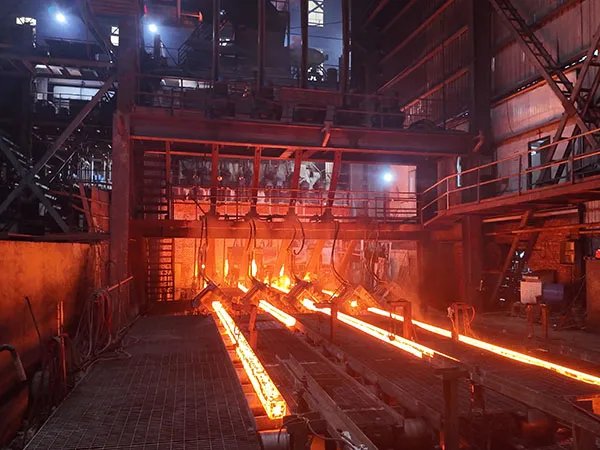
Aluminium sheets are widely used in industries ranging from construction and transportation to packaging and electronics due to their lightweight, resistencia a la corrosión, and high strength-to-weight ratio. The manufacturing process of aluminium sheets involves several precise steps that transform raw bauxite ore into finished flat aluminium products. This process includes mining, refining, fundición, casting, rolling, and finishing.The manufacturing of aluminum sheets is a multi-stage process that transforms raw bauxite ore into the versatile metal sheets used in various industries.

How Are Aluminium Sheets Manufactured

Aluminium sheets

1. Bauxite Mining and Refining:

The process begins with mining bauxite, a clay-like ore, typically found a few meters underground in equatorial regions.

The mined bauxite is then cleaned, aplastado, and transported to refineries.

At the refinery, the bauxite undergoes the Bayer process. This involves dissolving the bauxite in a hot caustic soda solution, which separates the aluminum oxide (alumina) from impurities.

The alumina is then filtered, cooled, and processed to form white alumina powder, similar in appearance to sugar.

2. Smelting (Hall-Héroult Process):

The purified alumina is then moved to a smelting plant where it’s converted into pure aluminum metal through the Hall-Héroult process.

In this electrolytic process, alumina is dissolved in a molten cryolite bath within large carbon-lined pots (cells).

An electric current is passed through carbon anodes submerged in the mixture. This current separates the aluminum from the oxygen in the alumina, with the oxygen reacting with the carbon anodes to form CO2.

The result is molten aluminum, which is siphoned off from the bottom of the cells.

3. Casting:

The molten aluminum is then cast into large blocks, a menudo llamado “ingots” o “losas,” which can weigh several tons. The specific shape depends on the intended final product.

4. Laminación:

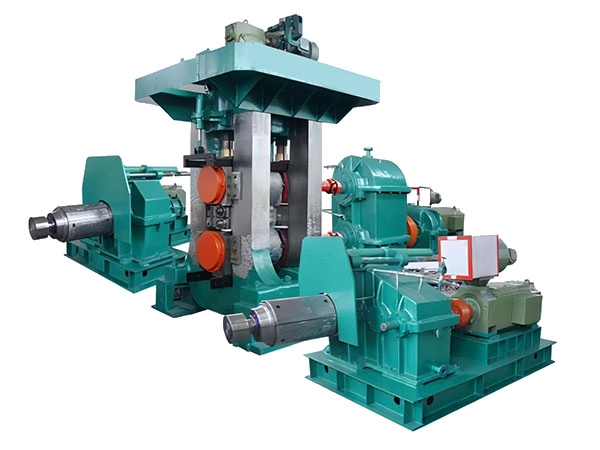
Hot Rolling: The large aluminum ingots are preheated to high temperatures (around 300-525°C or 572-977°F) and then passed repeatedly through a series of heavy rolling mills. This process gradually reduces the thickness of the aluminum and elongates it into a long, thin sheet. Hot rolling also refines the aluminum’s grain structure and improves its surface finish. The sheets are often coiled after hot rolling.

For more detailed information on how aluminum plates are manufactured, por favor haga clic aquí:https://www.dw-al.com/a/news/how-are-aluminium-sheets-manufactured.html

Hojas de aluminio revestidas are widely used in architecture, transporte, señalización, and interior decoration due to their durability, resistencia a la corrosión, and attractive surface finishes. These sheets typically feature a protective coating—such as PVDF, educación física, or powder coating—that enhances their performance and aesthetic appeal. Sin embargo, over time, exposure to dust, pollutants, humedad, and environmental contaminants can degrade their appearance and, if not properly cleaned, potentially shorten their service life.

Cleaning coated aluminum sheet without damaging it requires a gentle approach, as harsh chemicals or abrasive materials can compromise the coating.

Coated Aluminum Sheet Clean

Coated aluminum sheets

1. Identify the Coating (if possible):

While the general principles below apply to most coated aluminum, knowing the specific type of coating (p.ej., powder-coated, anodized, painted) can sometimes help with product selection. Sin embargo, for general cleaning, a mild approach is always safest.

2. Gather Your Supplies:

Mild Detergent/Soap: Dish soap, car wash soap, or a pH-neutral cleaner specifically designed for aluminum or coated surfaces.

Warm Water: Essential for creating your cleaning solution.

Soft Cloths/Sponges: Microfiber cloths, 100% cotton cloths, or soft sponges are ideal.

Soft-Bristle Brush (opcional): For tougher grime in textured areas.

Spray Bottle (opcional): For mixing and applying solutions like vinegar.

Distilled Water (opcional): For the final rinse to prevent water spots, especially in areas with hard water.

3. General Cleaning Steps (Light to Medium Soiling):

Dust and Dry Wipe: Begin by gently wiping the surface with a clean, dry microfiber cloth to remove any loose dirt, polvo, o escombros. This prevents these particles from scratching the surface during wet cleaning.

For more information on how to clean coated aluminum sheets without damaging the coating, por favor haga clic aquí:https://www.dw-al.com/a/news/coated-aluminum-sheet-clean.html