Мебель для дома включает в себя широкий спектр предметов, предназначенных для использования в домашних условиях для облегчения различных видов деятельности., обеспечить комфорт, и улучшить эстетику.

Бытовая мебель обычно обладает множеством функций, предназначенных для выполнения функциональных задач., эстетический, и практические требования в доме. Вот некоторые общие черты бытовой мебели.:

Household furniture

Функциональность: Мебель проектируется с учетом конкретных функций., например, сидение, спит, Хранение, столовая, или работаю. Каждое изделие создано для эффективного выполнения своего предназначения..

Комфорт: Комфорт – ключевой фактор, специально для мебели для сидения и постельных принадлежностей. Эргономичный дизайн, амортизация, обивочные материалы, и регулируемые функции способствуют повышению уровня комфорта.

Долговечность: Качественная мебель изготовлена ​​из прочных материалов, таких как твердая древесина., металлы, или высококачественные композиты, которые выдержат ежедневное использование и прослужат долгие годы..

Эстетика: Мебель способствует общей эстетике дома.. Элементы дизайна, такие как форма, Размер, текстура, и детали тщательно продуманы, чтобы дополнить стиль и декор помещения..

Универсальность: Некоторые предметы мебели отличаются универсальностью по дизайну и функциональности.. Например, модульную мебель можно переставлять в зависимости от планировки, в то время как мебель для хранения может иметь регулируемые полки или отсеки..

Household furniture

Экономия места: С ростом тенденции к меньшим жилым помещениям, Многие предметы мебели разработаны с учетом особенностей экономии места, таких как компактный размер., встроенное хранилище, или многофункциональность.

Простота обслуживания: Материалы и отделка мебели выбраны из-за простоты ухода и чистки.. Устойчивые к пятнам ткани, прочная отделка, съемные крышки — общие особенности, упрощающие обслуживание..

Безопасность: Функции безопасности имеют важное значение, особенно для мебели, используемой детьми или пожилыми людьми. Закругленные края, противоопрокидывающие механизмы, и прочная конструкция помогают предотвратить несчастные случаи и травмы.

Более подробную информацию о характеристиках домашней мебели, пожалуйста, нажмите здесь: https://www.rff-global.com/a/news/household-furniture-features.html

А шкаф с одной подвижной дверью это тип шкафа для хранения вещей с одной дверью, которая поворачивается горизонтально, открываясь и закрываясь.. Эти шкафы обычно используются в различных помещениях, например, в офисах., склады, гаражи, и мастерские для хранения широкого спектра предметов, включая инструменты., оборудование, файлы, и поставки.

Особенности шкафов с одной раздвижной дверью

Компактный дизайн: Шкафы с одной раздвижной дверью экономят пространство, поскольку не требуют дополнительного свободного пространства для распахивания двери, как традиционные распашные двери.. Это делает их пригодными для использования в помещениях с ограниченным пространством или тесными помещениями..

Простота доступа: Механизм передвижной двери обеспечивает плавный и легкий доступ к содержимому шкафа.. Пользователи могут сдвинуть дверь горизонтально в любую сторону, чтобы открыть шкаф., обеспечение удобного доступа к хранящимся вещам.

Single rolling door cabinets

Безопасность: В зависимости от дизайна, Шкафы с одной раздвижной дверью могут поставляться с запорными механизмами для защиты содержимого внутри.. Это помогает предотвратить несанкционированный доступ и обеспечивает сохранность ценных или чувствительных предметов, хранящихся в шкафу..

Долговечность: Эти шкафы обычно изготавливаются из прочных материалов, таких как сталь., алюминий, или дерево, в зависимости от предполагаемого использования и окружающей среды. Это гарантирует, что шкаф выдержит регулярное использование и прослужит долго..

Более подробную информацию о характеристиках шкафов с одной раздвижной дверью см., пожалуйста, нажмите здесь:https://www.rff-global.com/a/news/single-rolling-door-cabinet-features.html

А мобильный компактор, also known as a mobile compact shelving system or mobile shelving unit, is a storage solution designed to maximize space utilization by compacting shelves or racks together when not in use.

How a mobile compactor typically works

mobile compactor

Компактная конструкция: A mobile compactor consists of multiple shelving units or racks mounted on carriages that move along tracks or rails installed on the floor. The shelving units are arranged closely together to minimize the space between them when compacted.

Movement Mechanism: The carriages of the mobile compactor are equipped with wheels or rollers that allow them to move horizontally along the tracks. The movement can be manually operated, с механической помощью, или моторизованный, depending on the design and configuration of the system.

Система контроля: Mobile compactors are typically equipped with control mechanisms, такие как ручки, чудаки, рычаги, или электронное управление, to move the carriages and access the shelves. Users can engage the control system to open or close aisles between the shelving units as needed.

Compaction Process: When a user wants to access a particular aisle or shelving unit, they engage the control mechanism to move the carriages apart, creating an open aisle for access. The remaining shelving units are compacted closely together to maximize space utilization.

Доступ к элементам: Once the desired aisle is created, users can easily access the stored items on the shelves. They can retrieve or store items as needed, taking advantage of the improved accessibility and organization provided by the mobile compactor system.

mobile compactor

Функции безопасности: Mobile compactors often incorporate safety features to prevent accidents and injuries. Они могут включать барьеры безопасности в конце прохода., противоопрокидывающие устройства, защита от перегрузки, и предупреждающие знаки или сигналы, предупреждающие пользователей о движении полок..

For more detailed information on how the mobile compactors works, пожалуйста, нажмите здесь: https://www.rff-global.com/a/news/mobile-compactor-working-principle.html

Ан angular contact bearing arrangement refers to the configuration of angular contact bearings within a mechanical system. Angular contact bearings are designed to accommodate combined radial and axial loads by enabling angular movement between the inner and outer races. This arrangement allows for efficient transmission of both radial and axial forces, making angular contact bearings suitable for applications where high precision and load-carrying capacity are required.

There are several common configurations for angular contact bearing arrangements, each suited for specific applications and load conditions:

Single-Row Angular Contact Bearings

In this arrangement, a single angular contact bearing is used to support both radial and axial loads. The inner and outer races have a contact angle, обычно между 15 и 40 постепенно, which allows the bearing to carry axial loads in one direction while still accommodating radial loads. Single-row angular contact bearings are commonly used in applications such as machine tools, насосы, и коробок передач.

Double-Row Angular Contact Bearings

Double-row angular contact bearings consist of two rows of balls and raceways, arranged back-to-back or face-to-face. This arrangement enables the bearing to support higher axial loads and moment loads compared to single-row bearings. Double-row angular contact bearings are commonly used in applications such as automotive wheel hubs, conveyor systems, и сельскохозяйственная техника.

Tandem Arrangement

In a tandem arrangement, two single-row angular contact bearings are mounted in series, with one bearing positioned behind the other along the shaft axis. This configuration allows for increased axial stiffness and load-carrying capacity, particularly in applications with heavy axial loads or alternating axial loads in both directions.

More detailed information about angular contact ball bearing arrangement types can be found here: https://www.boyingbearing.com/en/a/news/angular-contact-ball-bearings-arrangements.html

Подшипники с перекрестными роликами представляют собой тип роликоподшипника, предназначенный для одновременной обработки как радиальных, так и осевых нагрузок.. Они известны своей высокой несущей способностью., жесткость, и точность, что делает их подходящими для применений, где точное позиционирование и высокая грузоподъемность имеют решающее значение..

Характеристики скрещенных роликоподшипников

Строительство: Скрещенные роликоподшипники состоят из двух комплектов цилиндрических роликов, расположенных перпендикулярно друг другу., формирование “Икс” узор, если смотреть сверху. Такое перекрещенное расположение роликов позволяет подшипнику выдерживать радиальные нагрузки., осевой, и моментные нагрузки в различных направлениях.

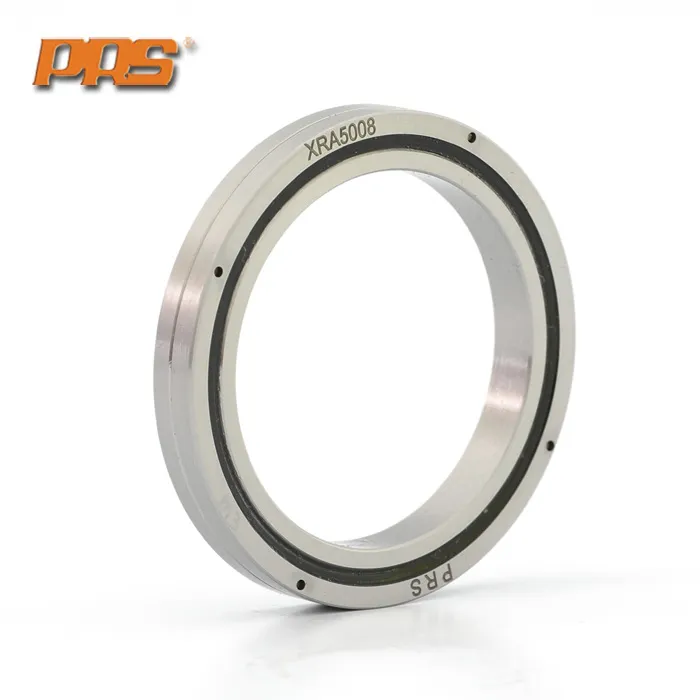
Crossed roller bearings

Высокая грузоподъемность: Из -за их уникального дизайна, скрещенные роликоподшипники выдерживают высокие радиальные, осевой, и моментные нагрузки одновременно. Это делает их подходящими для применений, где требуются большие нагрузки и высокая жесткость., например, станки, промышленные роботы, и точное оборудование.

Низкое трение: Скрещенные роликоподшипники обычно имеют низкие характеристики трения., что приводит к плавной работе и снижению энергопотребления. Это особенно выгодно в тех случаях, когда важны высокая точность и эффективность..

Высокая жесткость: Перекрещенное расположение роликов и прецизионная обработка компонентов подшипников обеспечивают высокую жесткость., обеспечение превосходной устойчивости к деформации и прогибу под нагрузкой. Эта жесткость имеет решающее значение для поддержания точности и точности в таких приложениях, как обрабатывающие центры с ЧПУ и робототехника..

Более подробную информацию об особенностях скрещенных роликовых подшипников см., пожалуйста, нажмите здесь: https://www.boyingbearing.com/en/a/news/crossed-roller-bearings-features.html

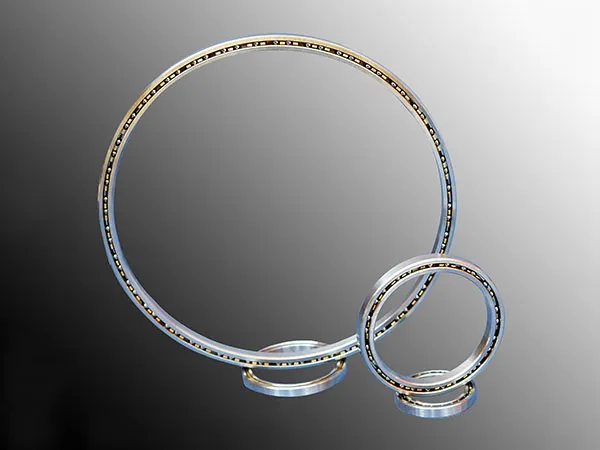
Подшипники тонкого сечения, also known as slim bearings or thin-walled bearings, are characterized by their compact design and thin cross-section relative to their bore diameter. They are often used in applications where space is limited and weight reduction is critical. The sizes of thin section bearings can vary depending on the manufacturer and the specific series or type of bearing. Однако, they typically follow standardized dimensions based on industry standards such as ISO (International Organization for Standardization) or ANSI (American National Standards Institute).

Here are some common sizes of thin section bearings, typically specified by their bore diameter, Наружный диаметр, и ширина:

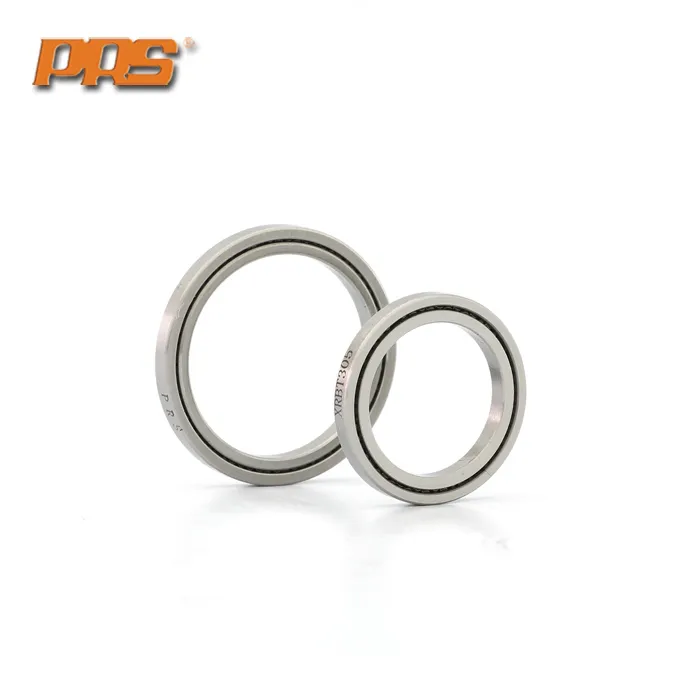
Thin section bearings

1 inch Series: These bearings have a bore diameter ranging from 1 inch to 2.5 дюймы, with outer diameters typically ranging from around 1.5 inches to 3 дюймы.

1.5 inch Series: These bearings have a bore diameter ranging from 1.5 inches to 3 дюймы, with outer diameters typically ranging from around 2 inches to 3.5 дюймы.

2 inch Series: These bearings have a bore diameter ranging from 2 inches to 4 дюймы, with outer diameters typically ranging from around 2.5 inches to 4.5 дюймы.

3 inch Series: These bearings have a bore diameter ranging from 3 inches to 5 дюймы, with outer diameters typically ranging from around 3.5 inches to 5.5 дюймы.

For more detailed information about the sizes of thin section bearings, пожалуйста, нажмите здесь:https://www.boyingbearing.com/en/a/news/thin-section-bearing-sizes.html

Compound crushers, also known as composite crushers or combination crushers, are designed to crush materials efficiently by combining the advantages of both hammer crushers and impact crushers. They typically consist of several main components, each serving a specific function within the internal structure of the crusher.

Compound crusher internal structure

compound crusher

Основной кадр: The main frame of the compound crusher provides structural support and houses the other components of the crusher. It is usually made of welded steel plates or cast steel for strength and durability.

Rotor Assembly: The rotor assembly is a key component responsible for the crushing action in the compound crusher. It consists of a rotor shaft, rotor discs, and hammer bars or impact elements. The rotor rotates at high speed, impacting the material fed into the crusher chamber.

Дробильная камера: The crushing chamber, also known as the crushing cavity or crushing chamber, is the space where the material is crushed by the rotor. It is typically lined with wear-resistant liners to protect the crusher housing from abrasion and wear.

Загрузочная воронка: The feed hopper is located above the crushing chamber and serves as the entry point for the material to be crushed. It allows for controlled feeding of the material into the crusher, ensuring efficient operation and preventing overloading.

compound crusher

Регулируемое выпускное отверстие: Compound crushers often feature an adjustable discharge opening or gap between the rotor and the crushing chamber. This allows for the adjustment of the final product size by controlling the size of the crushed material that exits the crusher.

For more detailed information about the internal structure of the compound crusher, пожалуйста, нажмите здесь: https://www.zymining.com/en/a/news/internal-structure-of-compound-crushers.html

А брикетный пресс, также известный как брикетный пресс или брикетировочная машина, is a device used to convert various types of biomass, металл, or other materials into uniform, shaped briquettes. These briquettes are typically cylindrical in shape and can vary in size depending on the specific requirements of the application.

Как работает брикетинг пресс

briquetting press

Подача материала: Сырье, which could be biomass (such as wood chips, опилки, or agricultural residues), металлическая стружка, or other types of material, is fed into the briquetting press. This can be done manually or through automated feeding systems, depending on the scale and complexity of the operation.

Compression Chamber: Inside the briquetting press, there is a compression chamber where the raw material is compacted under high pressure. This pressure is applied using a hydraulic system, mechanical system, или комбинация того и другого.

Compression and Briquette Formation: As the raw material enters the compression chamber, it is subjected to high pressure, which compresses it into a dense mass. The pressure forces the material to bind together, forming briquettes of the desired shape and size. The shape of the briquettes can vary depending on the design of the press and any additional shaping attachments.

briquetting press

Ejection or Discharge: После того, как брикеты сформированы, they are ejected from the press either manually or through automated ejection systems. В некоторых случаях, the briquettes may need to be cooled or cured before they are ready for use or further processing.

More detailed information about how the briquetting machine works can be found here:https://www.zymining.com/en/a/news/how-does-briquetting-press-work.html

Шлифовальные валки высокого давления (HPGR) обычно используются в различных приложениях в отрасли обработки добычи и минералов, включая сокрушение твердых и абразивных руд, таких как золото, медь, Железная руда, и бриллианты. Они также используются в производстве цемента, Промышленные минералы обработка, и приготовление корм.

Поля приложения HPGR

High pressure grinding rolls

Обработка минералов: HPGR широко используются в индустрии минеральной переработки для руды и освобождения. Они используются как в первичных, так и в вторичных схемах шлифования для дробления и шлифования руд, таких как золото, медь, Железная руда, никель, и бриллианты. Известно, что технология HPGR производит более тонкие размеры частиц с пониженным потреблением энергии по сравнению с традиционными мельницами измельчения, Сделать его предпочтительным вариантом в операциях по обработке минералов.

Цементная промышленность: HPGR используются в цементной промышленности для измельчения сырья, такого как известняк, клинкер, и шлак. Они часто интегрируются в цепь шлифования, чтобы увеличить пропускную способность, повысить энергоэффективность, и повысить качество окончательного цементного продукта. Технология HPGR может помочь снизить конкретное потребление энергии и повысить производительность шлифования цемента, приводя к экономии средств и экологическим льготам.

Приготовление корма с железной рудой: HPGR используются в процессе приготовления корма с пеллетом железной руды, чтобы улучшить свойства пеллетизации железной руды.. Подвергая руду с высоким давлением и силами сжатия, HPGR помогает улучшить распределение частиц по размерам, увеличить площадь поверхности, и улучшить связывающие свойства штрафов руды, приводя к улучшению качества гранул и производительности на гранулирующем заводе.

Для получения более подробной информации о полях применения роликов с высоким давлением., пожалуйста, нажмите здесь: https://www.zymining.com/en/a/news/high-pressure-grinding-rolls-application.html

Производственный процесс wind tower production line involves several stages, from the manufacturing of individual components to the assembly of the complete wind tower structure.

Wind tower production line production process

Подготовка материала:

Raw Materials: The main materials used in wind tower production typically include steel plates and sections. These materials are sourced from steel mills and undergo quality inspection upon arrival at the production facility.

Резка: Steel plates and sections are cut to the required dimensions using cutting machines such as plasma or flame cutting equipment. Precise cutting ensures that the components fit together accurately during assembly.

Component Manufacturing:

Flanges and Base Plates: Flanges and base plates are fabricated from steel plates using cutting, гибочный, and welding processes. These components provide the foundation and attachment points for the tower sections.

wind tower production line

Tower Sections: Tower sections are manufactured by rolling and welding steel plates into cylindrical or conical shapes. Automated welding processes such as submerged arc welding (ПИЛА) или сварка газовой металлической дуги (ГМАВ) are used to ensure high-quality welds.

Поверхностная обработка:

Shot Blasting: After fabrication, the steel components undergo shot blasting to remove any surface contaminants and improve the adhesion of protective coatings.

Priming and Painting: Primers and protective coatings are applied to the steel components to prevent corrosion and ensure long-term durability, especially in harsh outdoor environments.

Tower Assembly:

Tower Segments: The tower sections are assembled by welding them together using specialized welding equipment and techniques. Welding parameters are carefully controlled to meet stringent quality standards and ensure structural integrity.

For more detailed information on the production process of the wind tower production line, пожалуйста, нажмите здесь: https://www.bota-weld.com/en/a/news/wind-tower-production-line-production-process.html