
Los coalescentes electrostáticos se han convertido en una tecnología fundamental en el procesamiento de petróleo., permitiendo una separación eficiente de emulsiones de agua en aceite. Sin embargo, a pesar de su eficacia comprobada en campos que van desde la desalación de petróleo crudo hasta el tratamiento del agua producida, Persisten varios conceptos erróneos entre operadores e ingenieros.. Estos mitos pueden conducir a una selección de equipos subóptima, mayores costos operativos, o escepticismo innecesario sobre la tecnología en sí. En este articulo, Examinamos tres de los mitos más comunes que rodean a los coalescentes electrostáticos., Proporcionar claridad basada en hechos basada en la experiencia industrial del mundo real.. Zhengyuan Petrochemical tiene décadas de experiencia en el diseño e implementación de estos sistemas., y nuestro objetivo es ayudarle a separar la realidad de la ficción..
Mito 1: Los coalescentes electrostáticos son sólo para operaciones a gran escala
Una creencia generalizada es que los coalescentes electrostáticos sólo son viables económica o técnicamente para megarefinerías o plataformas marinas masivas.. Esta suposición surge de la asociación histórica de la separación electrostática con grandes unidades desalinizadoras de crudo.. Sin embargo, Los diseños modernos de coalescentes electrostáticos se han reducido y modularizado significativamente..
Hecho: Los sistemas modulares se adaptan a trenes de procesos pequeños y medianos
Los avances en la electrónica del suministro de energía y la geometría de los electrodos ahora permiten recipientes coalescentes compactos que manejan caudales tan bajos como 500 barriles por día. Por ejemplo, Zhengyuan Petrochemical fabrica una línea de coalescentes electrostáticos montados sobre patines que se pueden integrar directamente en tuberías existentes sin grandes obras civiles.. Estas unidades se despliegan con frecuencia en estaciones de recolección., pequeñas refinerías, e incluso instalaciones de separación de bocas de pozo aguas arriba.
Viabilidad económica con rendimientos más bajos
El retorno de la inversión de los coalescentes electrostáticos no depende únicamente del volumen. Menor consumo de químicos, carga de calefacción aguas abajo reducida, y la mejora de la calidad del producto a menudo compensan el gasto de capital incluso a tasas de producción moderadas.. Un caso de una instalación canadiense de petróleo pesado de tamaño mediano demostró que un coalescente electrostático compacto se amortizaba solo en 14 meses gracias a la reducción del uso de desemulsionantes y menos crudo fuera de especificación.
Mito 2: Los coalescentes electrostáticos requieren un mantenimiento excesivo
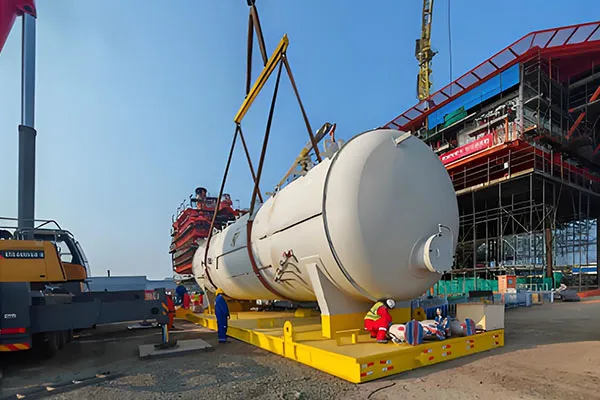
Algunos operadores evitan los coalescentes electrostáticos porque creen que los componentes de alto voltaje hacen que el sistema sea frágil y requiera mucho mantenimiento.. Es común la imagen de fallas frecuentes de electrodos o arcos peligrosos, pero esto se basa en gran medida en diseños más antiguos de hace tres décadas..
Hecho: Los diseños modernos son robustos y autocontrolados
Los coalescentes electrostáticos actuales cuentan con fuentes de alimentación de estado sólido con diagnóstico avanzado. Los electrodos están diseñados con aleaciones resistentes a la corrosión y materiales aislantes que resisten tanto los ciclos térmicos como las partículas abrasivas.. Los coalescentes de Zhengyuan Petrochemical están equipados con monitoreo de impedancia en tiempo real que ajusta automáticamente el voltaje para evitar chispas en condiciones adversas.. Los intervalos de mantenimiento suelen coincidir con las inspecciones estándar de embarcaciones: una vez cada 12 a 18 meses para la mayoría de las aplicaciones.
…
Para obtener información más detallada sobre tres conceptos erróneos comunes sobre los coalescentes electrostáticos en el procesamiento de petróleo, por favor haga clic para visitar: https://www.zy-petrochemical.com/a/news/coalescer-myths-oil.html

