
La acumulación de escarcha en las instalaciones de almacenamiento en frío es más que un inconveniente: reduce la eficiencia energética, compromete la calidad del producto, y conduce a costosos ciclos de descongelación. Para operadores que gestionan cámaras frigoríficas, abatidores, o grandes almacenes frigoríficos, prevenir la acumulación de hielo es esencial para mantener temperaturas constantes y extender la vida útil del equipo. Aprovechando décadas de experiencia en la industria, TZY Kitchenware comparte estrategias basadas en evidencia que ayudan a las cocinas comerciales y a los operadores de almacenamiento en frío a minimizar la formación de escarcha sin sacrificar el rendimiento..
1. Comprender las causas fundamentales de la acumulación de escarcha
Antes de implementar soluciones, Es fundamental identificar por qué se forman las heladas.. La escarcha ocurre cuando hace calor, El aire húmedo entra en un ambiente frío y se condensa en superficies frías., luego se congela. Los contribuyentes clave incluyen:
- Aperturas frecuentes de puertas – Cada vez que se abre una puerta, el aire húmedo entra y se enfría rápidamente, depositar humedad en los serpentines y paredes del evaporador.
- Sellos de puertas deficientes – Las juntas desgastadas o desalineadas permiten la infiltración continua de aire ambiente..
- Alta humedad ambiental – En regiones con elevada humedad, Incluso las pequeñas fugas de aire aceleran el crecimiento de las heladas..
- Prácticas de carga inadecuadas – El bloqueo del flujo de aire alrededor de los evaporadores impide el intercambio de calor adecuado y fomenta la acumulación de hielo..
- Programación de descongelación inadecuada – Los sistemas que descongelan con muy poca frecuencia o en momentos subóptimos permiten que se acumule escarcha entre ciclos.
Abordar estas causas fundamentales requiere tanto cambios de comportamiento como actualizaciones de equipos. TZY Kitchenware enfatiza que un enfoque proactivo, en lugar de un raspado reactivo, ahorra miles de dólares en desperdicio de energía anualmente.
2. Mejores prácticas operativas para minimizar la formación de heladas
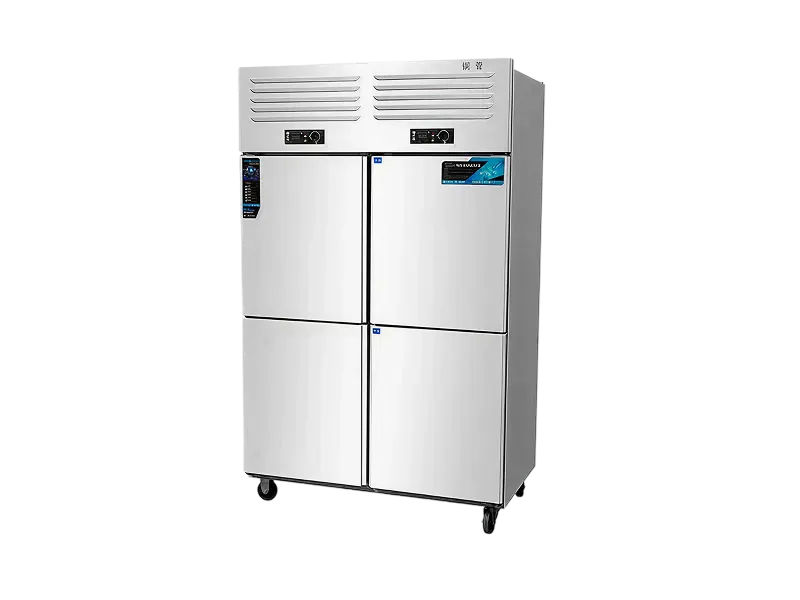
La implementación de protocolos diarios simples puede reducir significativamente las heladas sin inversión de capital. Los administradores de instalaciones e ingenieros de refrigeración recomiendan las siguientes prácticas:
2.1 Controlar la infiltración de aire
- Instale cortinas de tiras o puertas enrollables rápidas para crear una esclusa de aire entre las áreas de almacenamiento y los muelles de carga..
- Automatizar los mecanismos de cierre de puertas para limitar la duración de apertura; Apunta a abajo 15 segundos por ciclo.
- Inspeccione y reemplace las juntas de las puertas trimestralmente; utilice una prueba del billete de un dólar: si el billete se desliza fácilmente cuando la puerta está cerrada, el sello necesita reemplazo.
2.2 Gestionar las fuentes de humedad
- Nunca lave pisos o rejillas dentro de la cámara frigorífica.; Limpie los derrames inmediatamente con métodos secos..
- Asegúrese de que los productos estén preenfriados antes de ingresar al almacenamiento para reducir la diferencia de temperatura..
- Utilice deshumidificadores en pasillos adyacentes si la humedad ambiental excede constantemente 60%.
…
Para obtener información más detallada sobre cómo prevenir la acumulación de escarcha en el almacenamiento en frío, incluyendo asesoramiento de expertos de la industria, por favor haga clic aquí: https://www.tzykitchenware.com/a/news/prevent-frost-cold-storage.html

