
Cuando los ingenieros enfrentan el desafío de lograr la máxima rigidez dentro de un espacio axial confinado, Las soluciones de rodamientos tradicionales a menudo se quedan cortas.. Los rodamientos de rodillos cruzados ofrecen una respuesta convincente: combinan la capacidad de carga de los rodamientos de rodillos con una sección transversal notablemente delgada.. A diferencia de los rodamientos de bolas o los diseños convencionales de rodillos cruzados, La disposición única de los rodillos en estos rodamientos proporciona una alta rigidez en múltiples direcciones al tiempo que reduce la altura total de instalación.. Para aplicaciones donde cada milímetro importa, como la robótica, imágenes medicas, y mesas giratorias para máquinas herramienta: esta tecnología se ha vuelto indispensable. En este articulo, Exploramos los principios mecánicos., ventajas de rendimiento, y consideraciones prácticas al especificar rodamientos de rodillos cruzados, con un enfoque en soluciones PRS que han ganado reconocimiento en entornos industriales exigentes.
Comprender la estructura y el principio de funcionamiento
Un rodamiento de rodillos cruzados consta de rodillos cilíndricos dispuestos en direcciones perpendiculares alternas. (0° y 90°) entre dos pistas de rodadura. Esta disposición ortogonal permite que el rodamiento soporte radial., axial, y cargas de momento simultáneamente con un espacio mínimo. Los rodillos están separados por una jaula o espaciador para evitar el contacto de metal con metal., reduciendo la fricción y el desgaste.
Por qué la disposición cruzada mejora la rigidez
En un rodamiento de rodillos estándar, todos los rodillos son paralelos, Limitar la dirección de soporte de carga.. Cruzando los rodillos a 90°, el rodamiento puede resistir fuerzas de múltiples ejes sin requerir rodamientos adicionales. Este diseño proporciona inherentemente una mayor rigidez porque el área de contacto entre cada rodillo y la pista de rodadura es una línea (en lugar de una punta en los rodamientos de bolas), distribuir la carga sobre una superficie más grande. El resultado es un rodamiento que puede soportar importantes momentos de inclinación manteniendo al mismo tiempo una resistencia a la rotación extremadamente baja..
Paquete delgado: La ventaja transversal
El término "paquete delgado" se refiere a la sección transversal radial y axial mínima del rodamiento en relación con su diámetro.. Los rodamientos de rodillos cruzados generalmente se producen con una sección transversal rectangular o cuadrada que es pequeña en comparación con el diámetro del orificio, a menudo en el rango de 5 mm a 20 mm de ancho para rodamientos de hasta 1 metro de diámetro. Esta compacidad se logra eliminando la necesidad de cojinetes radiales y de empuje separados.. Los ingenieros pueden integrar el rodamiento en un espacio anular estrecho, Reducir el peso y el tamaño general del sistema..
Beneficios clave de rendimiento sobre tipos de rodamientos alternativos
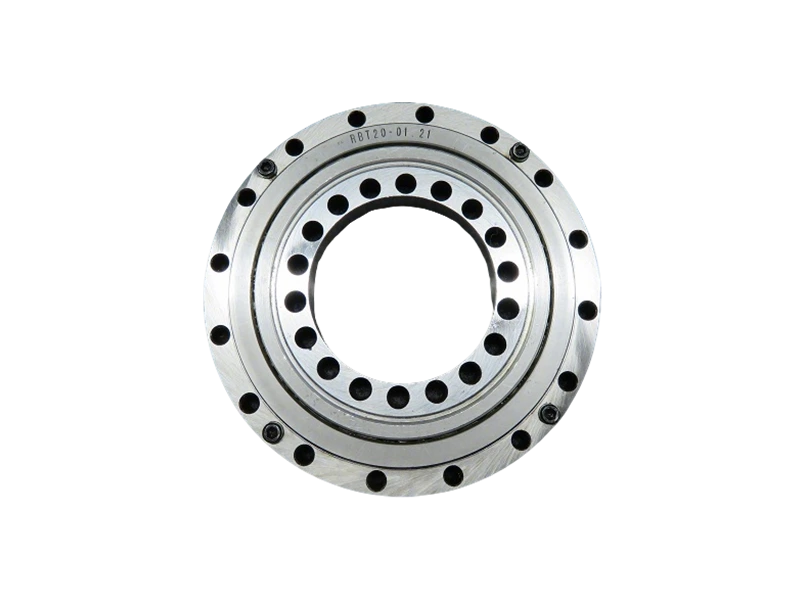
Al decidir entre rodamientos de rodillos cruzados, rodamientos de bolas, y otras variantes de rodillos, Varias métricas de rendimiento favorecen el diseño de rodillos cruzados.:
- Alta rigidez bajo cargas combinadas: Los rodillos ortogonales crean una estructura rígida en "X" que resiste fuerzas axiales y radiales.. A diferencia de los rodamientos de bolas, que solo ofrecen puntos de contacto, El contacto lineal de los rodillos cruzados reduce la deformación elástica bajo carga.. Esto es fundamental para el posicionamiento de precisión en máquinas CNC y equipos de inspección..
…
Para más información sobre el delgado, plantación de invernadero, y diseño de alta rigidez de rodamientos de rodillos cruzados, por favor haga clic aquí:https://www.prsbearings.com/a/news/crossed-roller-beari.html

