
Las mesas giratorias son la columna vertebral del mecanizado de precisión, asamblea, y equipo de inspección. Cuando una mesa giratoria se desvía bajo carga., introduce errores angulares que comprometen la precisión de la pieza, repetibilidad, y acabado superficial. Los ingenieros suelen tener dificultades para equilibrar la rigidez, compacidad, y capacidad de carga. Los rodamientos de rodillos cruzados han surgido como una solución mecánica comprobada para mitigar la deflexión sin sacrificar espacio ni peso.. Este artículo examina las causas fundamentales de la deflexión de la mesa giratoria., explica cómo la geometría única de los rodamientos de rodillos cruzados contrarresta estas fuerzas, y proporciona orientación práctica para incorporarlos en su diseño. Durante más de una década, PRS se ha especializado en soluciones de rodamientos de rodillos cruzados de precisión, y los principios discutidos aquí reflejan prácticas probadas en la industria.
Comprensión de la desviación de la mesa giratoria: Causas y consecuencias
La deflexión de la mesa giratoria ocurre cuando fuerzas externas (axiales), radial, o cargas de momento: hacen que la mesa se incline o se desplace de su eje de rotación ideal. En centros de mecanizado, Esta deflexión generalmente surge de fuerzas de corte.; en equipos de medición, Resulta del peso de la pieza de trabajo o de las fuerzas de inercia durante la indexación.. Los principales contribuyentes mecánicos son:
- Holgura del rodamiento: Incluso un juego mínimo en los rodamientos de bolas convencionales permite que la mesa se balancee bajo cargas de momento..
- Rigidez limitada: Los rodamientos de bolas o de rodillos de una hilera tienen menor rigidez radial y de momento en comparación con las configuraciones cruzadas.
- Deformación elástica: Bajo cargas combinadas pesadas, Las pistas de rodadura y los elementos rodantes se deforman., lo que lleva a micro-deflexiones.
Las consecuencias son significativas.: mayor rechazo de piezas, vida útil más corta de la herramienta, y reducción del tiempo de actividad de la máquina debido al retrabajo. Comprender los modos de deflexión es el primer paso para seleccionar un rodamiento que los elimine en su origen..
Cómo los rodamientos de rodillos cruzados resuelven la deflexión
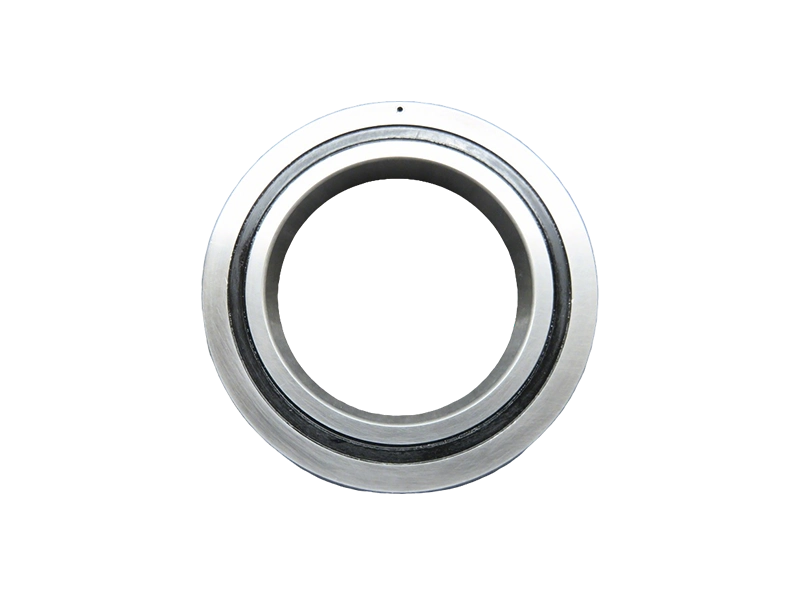
Los rodamientos de rodillos cruzados se diferencian fundamentalmente de los rodamientos convencionales. Consisten en rodillos cilíndricos dispuestos alternativamente en ángulos de 90 grados entre los anillos interior y exterior.. Esta disposición cruzada crea una rigidez, Conjunto precargado que resiste la deflexión en todas las direcciones simultáneamente..
…
Para obtener más información sobre la aplicación de rodamientos de rodillos cruzados para resolver problemas de deflexión de plataformas giratorias, por favor haga clic para visitar:https://www.prsbearings.com/a/news/solving-rotary-deflection.html

