
En la industria de trituración de piedra, La trituradora de mandíbulas desempeña un papel insustituible.. Para muchas plantas de arena y grava., mejorar la capacidad general, reduciendo el consumo de energía, y lograr un tamaño de partícula estable del producto terminado dependen de la optimización del rendimiento de la trituradora de mandíbulas y la mejora de las estrategias de uso.. Este artículo desglosará cómo trituradores de la mandíbula ayudar a las plantas de trituración de piedra a mejorar significativamente la eficiencia, desde principios de trabajo y determinantes de eficiencia hasta casos de aplicación del mundo real y soluciones a problemas comunes.
El papel principal de la trituradora de mandíbulas en las plantas trituradoras de piedra
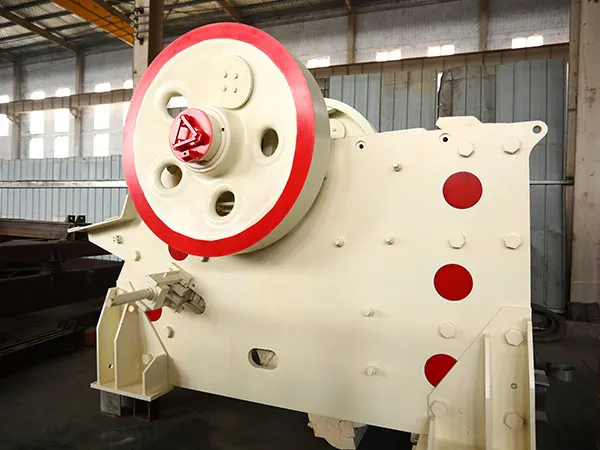
Las trituradoras de mandíbulas se utilizan principalmente en la etapa de trituración primaria del proceso de trituración de piedra., comprimir grandes trozos de mineral o piedra en tamaños de partículas pequeñas a medianas adecuadas para su posterior trituración secundaria.
● Breve descripción del principio de funcionamiento
La trituradora de mandíbulas tritura gradualmente grandes trozos de material mediante la compresión y compresión repetidas entre la placa de mandíbula fija y la placa de mandíbula móvil.. El motor acciona la polea y el eje excéntrico., haciendo que la mandíbula móvil se acerque y se aleje periódicamente de la mandíbula fija, completando así el proceso de trituración continua.
● Importancia de la trituración primaria
La eficiencia de la trituración primaria determina directamente el rendimiento y la estabilidad de toda la línea de producción..
Cuanto más estable sea el tamaño de las partículas trituradas, mayor será la eficiencia de los equipos posteriores (trituradora de impacto, trituradora de cono, maquina para fabricar arena);
Las trituradoras de mandíbulas pueden estabilizar el flujo de piedra, mejorar la eficiencia de trituración, y reducir el riesgo de bloqueo;
Con su gran índice de trituración y bajo costo operativo, Es el equipo de trituración primaria preferido para la mayoría de las plantas de arena y grava..
Factores clave para mejorar la eficiencia de la trituradora de mandíbulas
La producción y la eficiencia operativa de una trituradora de mandíbulas se ven afectadas por una variedad de factores.. Los siguientes son los cuatro aspectos más cruciales..
1. Alto índice de trituración y gran capacidad de procesamiento
Principio de funcionamiento altamente eficiente: Trituradoras de mandíbulas trituran materiales mediante compresión., terrible, y métodos de flexión. El material se comprime repetidamente entre las mandíbulas móviles y fijas., logrando una trituración altamente eficiente.
Opción ideal para trituración primaria: Las trituradoras de mandíbulas se utilizan normalmente como el primer paso en una línea de producción de trituración. (trituración primaria). Pueden manejar partículas de gran tamaño., materiales de alta dureza, trituración directa de minerales o rocas grandes hasta un tamaño de partícula mediano, Proporcionar un tamaño de alimentación adecuado para procesos de trituración secundarios y terciarios posteriores. (como trituradoras de cono y trituradoras de impacto), reduciendo así la carga en el equipo posterior.
Producción Continua: Las trituradoras de mandíbulas modernas están diseñadas con grandes aberturas de alimentación y cavidades profundas., asegurando una entrada y trituración suave del material, garantizando la continuidad y estabilidad de la línea de producción.
2. El diseño estructural optimiza la eficiencia de la producción
Abertura de descarga ajustable: Ajustando el tamaño de la abertura de descarga, El rango de tamaño de partículas del producto se puede controlar de manera flexible para cumplir con los requisitos de diferentes clientes o procesos posteriores.. El control preciso del tamaño de las partículas ayuda a reducir la trituración excesiva, Mejorar la calidad y eficiencia del producto terminado..
Proceso simplificado: Algunas trituradoras de mandíbulas grandes pueden triturar directamente piedras grandes hasta alcanzar un tamaño de partícula cercano al producto final., reduciendo el número de etapas de trituración y simplificando así todo el proceso de trituración.
Fácil reemplazo de piezas de desgaste: Las piezas de desgaste, como las placas de las mordazas, están diseñadas para un reemplazo rápido., acortar el mantenimiento y el tiempo de inactividad y mejorar la eficiencia operativa real del equipo.
…
Para obtener información más detallada sobre cómo las trituradoras de mandíbulas pueden mejorar la eficiencia de las plantas trituradoras de piedra modernas, por favor haga clic para visitar: https://www.yd-crusher.com/a/news/how-to-improve-the-crushing-efficiency-of-a-jaw-crusher.html
