
Trituradoras de mandíbulas Son ampliamente utilizados en industrias como la minería., producción agregada, y reciclaje de residuos de construcción debido a su estructura robusta, alta eficiencia de trituración, y amplia adaptabilidad. Sin embargo, Seleccionar el modelo correcto para diferentes durezas de materiales., contenido de humedad, tamaño de partícula, y los requisitos de salida no son fáciles. Este artículo proporciona una guía práctica y sistemática de selección de trituradoras de mandíbulas para ayudarle a evitar errores de selección., mejorar la eficiencia de producción, y reducir los costos operativos.
Conceptos básicos de la trituradora de mandíbulas
1. Modelos y características comunes
trituradora de mandibula estacionaria: Adecuado para sitios fijos de larga duración, como minas y plantas de agregados., ofreciendo alto rendimiento y funcionamiento estable.
trituradora de mandibula movil: Equipado con un chasis con orugas o ruedas., permitiendo un movimiento flexible y adecuado para el procesamiento de residuos de construcción o construcción en múltiples sitios.
Trituradora de mandíbula de palanca única: Alta eficiencia de trituración, estructura simple, y bajo coste de mantenimiento.
trituradora de mandibula de doble palanca: Distribución uniforme de la fuerza en la cámara de trituración., adecuado para materiales ultraduros, Funcionamiento estable pero mantenimiento más complejo..
2. Principio de funcionamiento y escenarios aplicables
Las trituradoras de mandíbulas utilizan la compresión periódica de placas de mandíbulas fijas y móviles para triturar grandes trozos de mineral hasta obtener el tamaño de partícula requerido.. Las aplicaciones principales incluyen:
Trituración gruesa de mineral en bruto
Trituración de residuos de construcción.
Materiales con resistencia a la compresión ≤320MPa, como varios minerales, caliza, y granito.
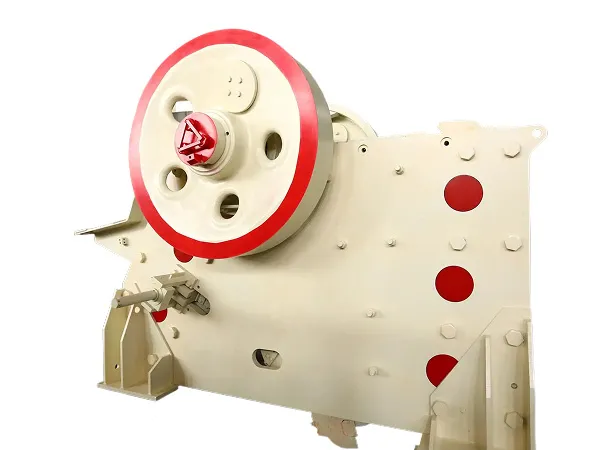
Seleccione la trituradora de mandíbulas según las características del material..
…
Para obtener información más detallada sobre las pautas de selección de trituradoras de mandíbulas, por favor haga clic para visitar: https://www.yd-crusher.com/a/news/jaw-crusher-selection-guide.html

