
Rodamientos de alta precisión son la piedra angular de la maquinaria industrial moderna, desempeñar papeles críticos en aplicaciones que exigen una precisión excepcional, fiabilidad, y durabilidad. Desde actuadores aeroespaciales y brazos robóticos hasta husillos de alta velocidad en máquinas CNC y líneas de producción automatizadas, Estos rodamientos permiten un movimiento de precisión y reducen las pérdidas mecánicas., impactando directamente el rendimiento general del sistema. Sin embargo, Incluso los rodamientos más avanzados enfrentan un desafío sutil pero significativo.: expansión térmica. Cuando no se gestiona adecuadamente, La expansión térmica puede comprometer la precisión del rodamiento., acelerar el desgaste, y, en casos severos, provocar fallos catastróficos en los equipos.
La expansión térmica surge cuando los materiales utilizados en los rodamientos (comúnmente acero de alta calidad o cerámica avanzada) experimentan aumentos de temperatura durante el funcionamiento.. Fricción, calor ambiental, y la proximidad a otros componentes de alta temperatura contribuyen a este fenómeno. Mientras que los metales y las cerámicas se expanden de forma predecible con el calor, en aplicaciones de alta precisión, Incluso cambios dimensionales mínimos en la escala de unos pocos micrómetros pueden causar desalineación., distribución de carga desigual, y aumento de la fricción. Para ingenieros, equipos de mantenimiento predictivo, y jefes de producción, Comprender y mitigar la expansión térmica es vital para garantizar que los rodamientos funcionen consistentemente con el máximo rendimiento..
Comprender el mecanismo de expansión térmica
La expansión térmica de los rodamientos es más que un simple aumento de tamaño.. Cuando un rodamiento gira a altas velocidades o soporta cargas pesadas, La fricción entre los elementos rodantes y las pistas genera calor., aumentar la temperatura tanto del propio rodamiento como de su entorno inmediato. A medida que el material se calienta, se expande en todas las dimensiones, alterar el juego interno entre los anillos interior y exterior. En rodamientos de alta precisión, Estos ligeros cambios pueden afectar significativamente la precisión de rotación., provocando vibraciones, desgaste excesivo, y tensión adicional en componentes adyacentes como ejes, carcasas, y acoplamientos.
Complicando aún más el asunto, La distribución de temperatura dentro de un rodamiento rara vez es uniforme.. Una sección puede calentarse más rápido que otra., especialmente en husillos de alta velocidad o aplicaciones de carga asimétrica, creando una expansión localizada que amplifica la desalineación y el estrés.. Tiempo extraordinario, Los ciclos térmicos repetidos pueden degradar las superficies de los cojinetes., reducir la eficacia de la lubricación, y acortar la vida útil general. Reconocer este mecanismo es el primer paso hacia la implementación de estrategias de mitigación efectivas..
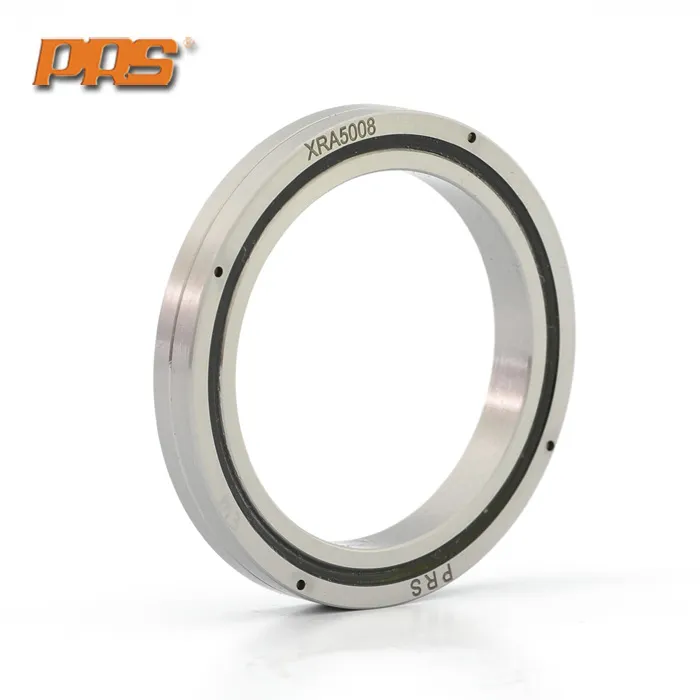
Estrategias probadas para minimizar los efectos de la expansión térmica
1. Selección e ingeniería de materiales avanzados
Elegir los materiales de rodamiento adecuados es una de las formas más efectivas de limitar la expansión térmica.. Los rodamientos de acero tradicionales exhiben un crecimiento térmico predecible, pero los diseños híbridos que combinan elementos rodantes cerámicos, como el nitruro de silicio, con pistas de acero proporcionan una estabilidad dimensional superior bajo calor.. La cerámica tiene coeficientes de expansión térmica significativamente más bajos. (Cte) comparado con los metales, lo que significa que los rodamientos mantienen las holguras internas de manera más consistente incluso durante el funcionamiento prolongado a alta velocidad.
Además, Los aceros para rodamientos especializados con composiciones de aleaciones refinadas y tratamientos térmicos optimizados pueden reducir aún más la sensibilidad térmica.. La selección de materiales cuya expansión térmica coincida estrechamente con los componentes adyacentes de la máquina ayuda a prevenir la desalineación causada por la expansión diferencial., manteniendo la precisión en todo el sistema y extendiendo la vida útil de los componentes.
…
Para obtener información más detallada sobre cómo prevenir la expansión térmica de rodamientos de alta precisión, por favor haga clic para visitar: https://www.prsbearings.com/a/news/how-to-prevent-thermal-expansion-issues-in-high-precision-bearings.html

