
La construcción de túneles es un proceso complejo y de alto riesgo. Seleccionando el derecho revestimiento del túnel Es crucial no sólo para garantizar la estabilidad estructural sino también para minimizar los riesgos operativos y los costos de mantenimiento a largo plazo.. Ya sea que estés trabajando en un metro, ferrocarril, carretera, o túnel minero, Comprender los requisitos para el revestimiento de túneles puede ahorrar tiempo., reducir costos, y lo más importante, garantizar la seguridad.
Elegir el revestimiento de túnel adecuado para el metro, ferrocarril, y proyectos de carreteras es una decisión crítica en el diseño de túneles, ya que impacta directamente en la seguridad, durabilidad, constructibilidad, y costo. El proceso de selección implica equilibrar numerosos factores técnicos y no técnicos., impulsado principalmente por las condiciones del terreno y la función del túnel.
Cómo elegir el mejor revestimiento de túnel para Metro, Proyectos de Ferrocarriles y Carreteras
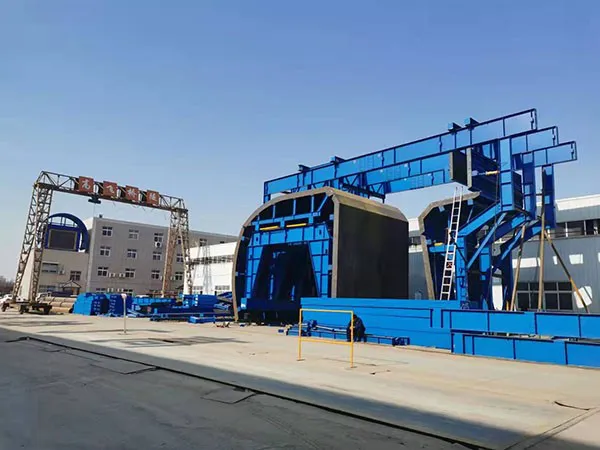
1. Por qué es esencial elegir el revestimiento correcto para túneles
El revestimiento de un túnel actúa como la capa estructural principal que soporta la presión del suelo circundante., controla la deformación, y garantiza durabilidad. La selección incorrecta del revestimiento puede provocar:
Grietas inesperadas o falla estructural
Asentamiento excesivo o hundimiento del terreno
Mayores costos de mantenimiento y reparación.
Retrasos o suspensión total de la construcción
Graves riesgos de seguridad para trabajadores y usuarios finales
En casos extremos, Un diseño deficiente del revestimiento puede comprometer la seguridad operativa de todo el túnel.. Por este motivo, la selección del revestimiento del túnel debe basarse en las condiciones geológicas., requisitos de carga, y durabilidad a largo plazo.
Factores clave a considerar en la selección del revestimiento del túnel
La decisión es compleja y requiere una investigación geotécnica exhaustiva. Los principales factores pueden clasificarse en términos generales.:
UNA. Condiciones geotécnicas e hidrogeológicas
Este es el factor más crucial, ya que el terreno dicta el soporte requerido.
Tipo de terreno y fuerza:
rock duro: A menudo permite revestimientos más delgados o incluso secciones sin revestimiento donde la roca tiene una capacidad inherente de autosoporte. (acción de arco). El soporte inicial puede incluir pernos de roca., malla, y hormigón proyectado.
Suelo blando (Arcilla, Arena, Limo): Requiere soporte inmediato y robusto debido a la baja resistencia inherente y al riesgo de colapso.. Por lo general, esto requiere revestimientos segmentarios de hormigón prefabricado instalados mediante una tuneladora. (tuneladora).
Tierra exprimida/hinchada: Requiere revestimientos que puedan acomodar o resistir presiones y deformaciones de alta intensidad..
Agua subterránea:
Alta presión/flujo de agua: Requiere un sistema de revestimiento impermeable o altamente resistente al agua., a menudo implica un revestimiento de dos pasadas (apoyo inicial + revestimiento final con membrana impermeabilizante) o juntas especializadas y sellado en revestimientos segmentarios de una sola pasada.
Actividad sísmica: Requiere revestimientos diseñados para resistir las deformaciones del terreno provocadas por terremotos..
…
Para obtener información más detallada sobre la selección del revestimiento del túnel, por favor haga clic para visitar: https://www.gf-bridge-tunnel.com/a/blog/tunnel-lining-selection.html
