
La construcción de túneles es una de las tareas técnicamente más exigentes en la ingeniería de infraestructuras moderna.. Desde condiciones geológicas complejas hasta estrictos estándares de seguridad y requisitos de durabilidad a largo plazo, Cada decisión de diseño tiene un impacto duradero en el éxito del proyecto..
Entre estas decisiones, Seleccionar el sistema de revestimiento de túneles adecuado es fundamental. Una solución de revestimiento inadecuada puede provocar riesgos estructurales, fuga de agua, costos de mantenimiento excesivos, o incluso fallo prematuro del túnel.
En esta guía, Desglosamos los tipos más comunes de sistemas de revestimiento de túneles, comparar sus ventajas y limitaciones, y le ayudaremos a determinar qué solución de revestimiento de túneles se adapta mejor a las condiciones de su proyecto..
Descripción general de los sistemas comunes de revestimiento de túneles
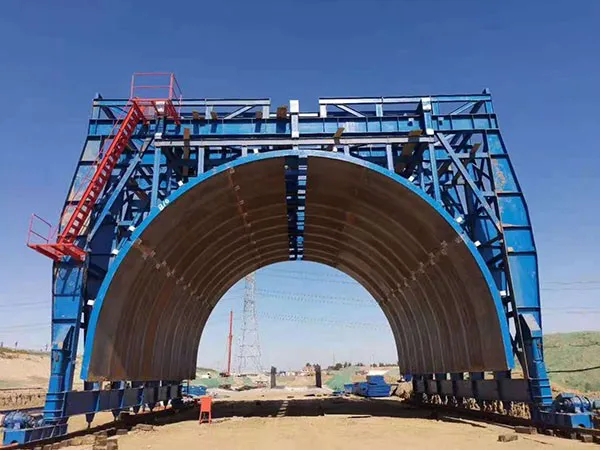
1. Inicial (Primario) Soporte de túnel
El soporte inicial, también conocido como revestimiento primario o temporal, se instala inmediatamente después de la excavación del túnel.. Su función principal es estabilizar el terreno circundante y evitar deformaciones o colapsos durante la construcción..
Los materiales típicos incluyen hormigón proyectado., costillas de acero, pernos de roca, o marcos de madera, Seleccionado según las condiciones del terreno..
Ventajas clave:
Proporciona estabilización estructural inmediata después de la excavación.
Reduce los riesgos de seguridad en la etapa de construcción.
Aplicación flexible en diferentes condiciones geológicas
Limitaciones:
No está diseñado para un rendimiento estructural a largo plazo.
Generalmente requiere un revestimiento secundario para mayor durabilidad.
Más adecuado para:
Suelo blando, formaciones rocosas débiles, y túneles con alto riesgo de deformación.
2. Secundario (Permanente) Revestimiento del túnel
El revestimiento secundario es la capa estructural final diseñada para garantizar la resistencia del túnel a largo plazo., durabilidad, y rendimiento de impermeabilización. Generalmente se construye con hormigón armado., concreto de fundición en el lugar, o hormigón proyectado reforzado con fibras.
Ventajas clave:
Alta capacidad de carga y larga vida útil
Excelente estanqueidad al agua e integridad estructural.
Geometría personalizable para diseños de túneles complejos
Limitaciones:
Mayor tiempo de construcción en comparación con los soportes temporales.
Mayores costos de mano de obra y materiales.
Más adecuado para:
Túneles urbanos, túneles subterráneos profundos, y proyectos que requieran alta durabilidad e impermeabilización..
…
Para obtener información más detallada sobre los tipos de sistemas de revestimiento de túneles, por favor haga clic para visitar: https://www.gf-bridge-tunnel.com/a/blog/types-of-tunnel-lining-systems.html
