
In dental laboratories, precision casting of metal alloys—such as cobalt-chromium, nickel-chromium, and precious metals—demands equipment that can withstand extreme temperatures while maintaining chemical inertness and thermal uniformity. Crisoles de grafito have become an indispensable tool in this process, offering unmatched performance that directly influences the quality of dental prosthetics, crowns, puentes, and frameworks. This article explores the technical reasons why graphite crucibles are essential for dental lab casting, and how choosing a reliable supplier like Cangzhou Carbon can ensure consistent, defect-free results.
1. The Demanding Environment of Dental Lab Casting
Dental casting involves melting metal alloys at temperatures ranging from 900°C to over 1400°C, depending on the material. Durante este proceso, the crucible must:
- Resist thermal shock when rapidly heated and cooled.
- Prevent chemical reactions with molten metal (especially reactive elements like titanium or chromium).
- Distribute heat evenly to avoid localized hot spots that cause casting defects.
- Maintain structural integrity after repeated use.
Traditional ceramic or clay-graphite crucibles often fall short in one or more of these areas, leading to contamination, agrietamiento, or inconsistent melts. Crisoles de grafito, particularly high-purity versions from Carbono de Cangzhou, excel in all these criteria.
2. Core Advantages of Graphite Crucibles for Dental Labs
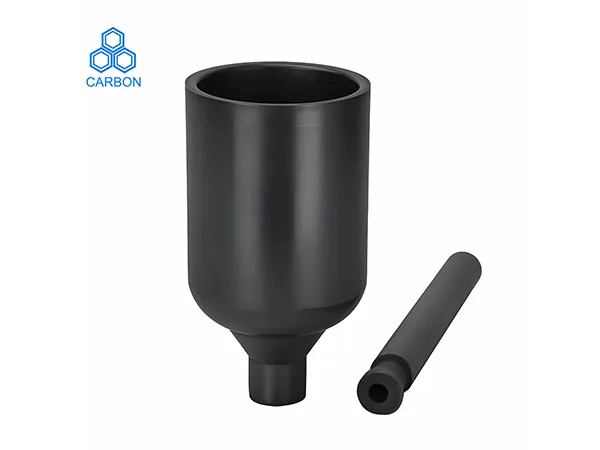
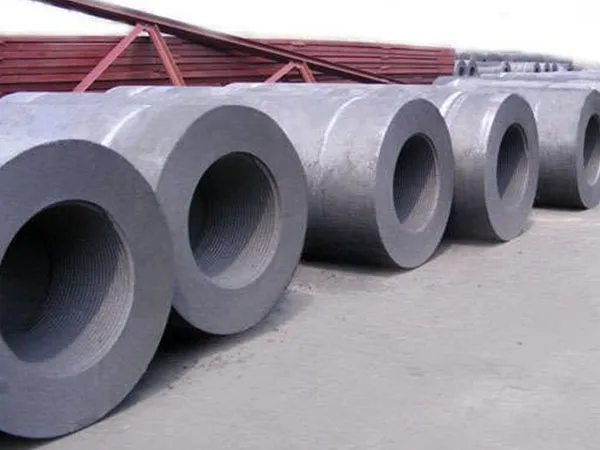 Graphite’s unique physical and chemical properties make it the preferred material for dental casting. Here are the key benefits:
2.1 Superior Thermal Conductivity and Uniformity
Graphite has a thermal conductivity of 120–200 W/m·K, significantly higher than clay-bonded crucibles. This ensures rapid and even heat distribution throughout the crucible, reducing the risk of incomplete melting or alloy segregation. For dental labs that batch-cast multiple units, this translates to consistent mold filling and fewer rejections.
2.2 Excelente resistencia al choque térmico
Dental casting often requires preheating the crucible to near-melting temperature and then quickly cooling after casting. Graphite’s low coefficient of thermal expansion (2–6 × 10⁻⁶ /°C) minimizes stress and prevents cracking, even after hundreds of cycles. This longevity reduces replacement frequency and downtime.
…
For more detailed information on why graphite crucibles are essential for casting in dental laboratories, por favor haga clic aquí: https://www.czgraphite.com/a/news/role-of-graphite-crucibles-in-dental-laboratory-casting.html

