
In today’s metal recycling industry, handling steel scrap and loose metal chips efficiently is crucial for cost control, storage management, and recycling productivity. Metal briquetting machines—known for their high compression efficiency and environmental benefits—have become indispensable equipment for steel mills, metal processing plants, and recycling companies.
This comprehensive guide covers how briquetting machines work, how they process steel scrap, equipment selection tips, and essential maintenance practices, helping your business achieve higher recycling efficiency and lower operational costs.
What Is a Metal Briquetting Machine?
A metal briquetting machine is an industrial device designed to compress loose metal waste into dense, solid briquettes. It can handle various materials including steel scrap, iron chips, aluminum shavings, and copper scrap.
Through a high-pressure hydraulic or mechanical system, loose metal waste is compressed into uniform blocks. These compact briquettes reduce storage space, simplify transportation, and improve furnace efficiency during melting.
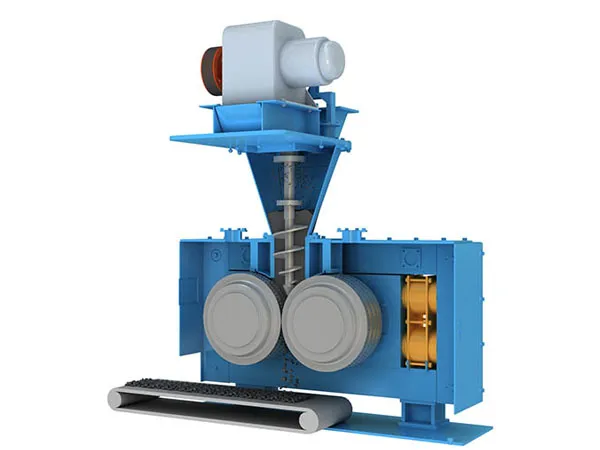
How a Briquetting Machine Works
The machine’s core power source is its hydraulic system, responsible for generating the pressure required to compact metal waste. The working steps include:
1. Feeding
Loose steel chips or scrap are fed into the machine’s hopper.
2. High-Pressure Compression
The hydraulic cylinder applies strong pressure to compress the metal inside a mold.
3. Briquette Discharge
Once compacted, the finished briquette is ejected for storage or transport.
This process significantly reduces material volume, increases density, and improves overall recycling efficiency.
How It Processes Steel Scrap and Waste Metal
Loose steel chips and irregularly shaped scrap metal are often difficult to store and transport. The briquetting machine provides an efficient solution.
Steel Chip Processing Workflow
Collection & Sorting – Remove impurities and classify the metal.
Feeding & Compression – Send steel chips into the machine where hydraulic force compacts them into dense blocks.
Briquette Output – Finished briquettes offer up to 70–80% volume reduction, greatly improving storage convenience.
Waste Steel Processing Workflow
Large or irregular waste metal may require pre-cutting or shredding before entering the briquetting machine.
Processing Benefits
Significant Volume Reduction
Briquettes reduce storage area and allow warehouses to operate more efficiently.
Easier Transportation
Compact briquettes optimize truck loading capacity and reduce transport frequency.
Improved Melting Efficiency
Denser, uniform briquettes melt faster and improve overall metal recovery rates.
Why Metal Briquetting Matters in Recycling
A metal briquetting machine is more than a compaction tool—it supports businesses in achieving energy savings, environmental protection, and higher economic returns.
1. Space & Cost Savings
Briquette density reduces warehouse space usage by up to 80% and lowers logistics costs.
2. Higher Recycling Output
Compact briquettes improve furnace feeding conditions, boosting metal recovery and reducing melting losses.
3. Environmental Advantages
Less loose waste → reduced dust and secondary pollution
Fewer transportation trips → lower fuel use and carbon emissions
Cleaner workshop environment → improved safety and working conditions
4. Increased Profitability
Processed briquettes often have higher market value, while storage and transport expenses are reduced simultaneously.
How to Choose the Right Metal Briquetting Machine
Selecting the correct model is key to maximizing efficiency. Consider the following factors:
1. Processing Capacity
Base your choice on daily scrap volume:
Small to medium operations – vertical machines
Large-scale continuous production – horizontal briquetting machines
…
For more detailed information on scrap steel and metal briquetting machines: a complete guide to efficient recycling, please click here: https://www.zymining.com/en/a/news/best-metal-briquetting-machine-for-steel-scrap.html
