
In today’s highly competitive metal processing industry, the production efficiency of rolling mills directly impacts a company’s capacity, cost structure, and market competitiveness. Even with continuous upgrades to modern production lines, many factories still face problems such as unstable operation, limited output, and high energy consumption. To truly improve the production efficiency of rolling mills, it’s not enough to just pursue speed; synergistic optimization is needed across equipment, processes, personnel, and management.
How to Improve Rolling Mill Production Efficiency
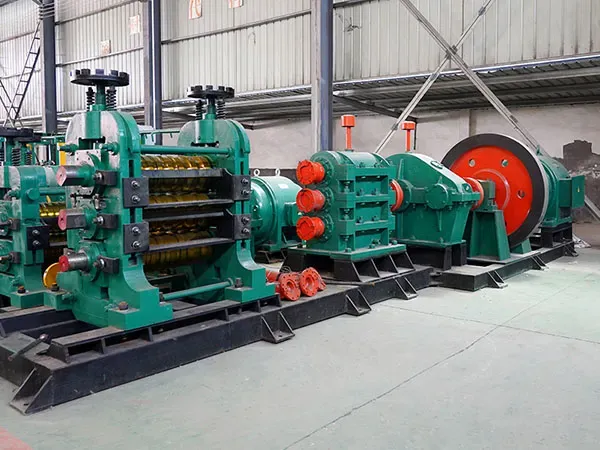
This article will explore how to systematically improve the production efficiency of rolling mills from six key dimensions, helping companies achieve stable, high-quality output at a lower cost.
1. Strengthening Equipment Maintenance System: The Foundation for Stable Operation
Rolling mills have complex structures, with components such as rollers, bearings, and gears subjected to high temperatures, high pressures, and high-speed operation for extended periods. Even minor wear can directly affect the precision of finished products and production speed. Therefore, establishing a scientific and executable maintenance system is crucial.
Implementable optimization measures include:
Developing a detailed inspection system: Regularly inspecting the surface wear, cracks, and hardness changes of the rolls, and promptly repairing or replacing them.
…
For more detailed information on how to improve rolling mill production efficiency, please click to visit: https://www.gyssljx.com/a/news/how-to-improve-rolling-mill-production-efficiency.html

