
Temperature-controlled steel warehouses play a critical role in industries such as food processing, pharmaceuticals, cold chain logistics, and precision manufacturing. While steel structures offer durability, flexibility, and fast construction, they also present a challenge: steel is highly conductive, which means it transfers heat quickly. Without proper insulation, maintaining stable internal temperatures becomes both technically difficult and financially unsustainable.
This guide explains the most effective insulation options for temperature-controlled steel warehouses, helping decision-makers choose solutions that balance thermal performance, cost, durability, and long-term operational efficiency.
Why Insulation Matters in Steel Warehouses
A temperature-controlled warehouse is not simply a covered structure; it is a controlled environment. Insulation directly impacts:
Energy consumption and operational costs
Temperature stability and product quality
Moisture control and condensation prevention
Equipment efficiency and lifespan
Compliance with industry regulations
When insulation is poorly designed or improperly installed, companies often face rising energy bills, product spoilage, and structural issues such as corrosion caused by condensation.
Key Factors to Consider Before Choosing Insulation
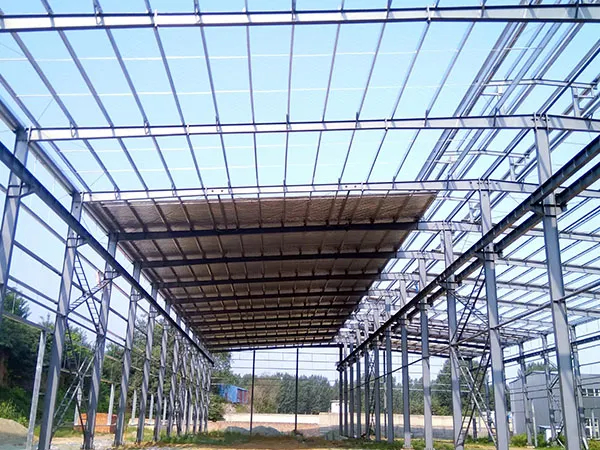
Before selecting insulation materials, it is important to define project-specific requirements:
1. Target Temperature Range
Cold storage facilities require high-performance insulation compared to ambient or mildly controlled warehouses.
2. Climate Conditions
Warehouses in humid or extreme climates demand better vapor barriers and thermal resistance.
3. Energy Efficiency Goals
Stricter energy standards or sustainability targets require advanced insulation systems.
4. Budget vs Lifecycle Cost
Lower upfront costs may result in higher long-term expenses due to energy loss.
5. Fire Safety and Compliance
Certain industries require fire-resistant or non-combustible materials.
Common Insulation Options for Steel Warehouses
1. Sandwich Panels (PU/PIR Panels)
Polyurethane (PU) and polyisocyanurate (PIR) sandwich panels are among the most widely used insulation solutions for temperature-controlled steel warehouses.
Structure:
Two metal sheets bonded with a rigid foam core.
Advantages:
Excellent thermal insulation performance (low thermal conductivity)
Fast installation due to prefabricated design
Integrated air tightness and vapor barrier
Clean and hygienic surface, ideal for food and pharma industries
Best Applications:
Cold storage, refrigerated warehouses, clean rooms
Considerations:
PIR panels provide better fire resistance than PU panels, making them a safer option in high-risk environments.
…
For more detailed information on insulation solutions for temperature-controlled steel structure warehouses, please click to visit: https://www.meichensteel.com/a/procurement-guides/insulation-options-for-temperature-controlled-steel-warehouses.html

