
In recent years, the demand for flexible and cost-efficient residential solutions has increased significantly, especially in urban and suburban housing markets where space utilization has become a critical concern. Among the most effective responses to this demand are prefabricated modular granny flats designed for rapid onsite assembly. These compact yet fully functional living units are reshaping how homeowners, developers, and property investors approach secondary housing construction.
This article provides a comprehensive overview of prefabricated modular granny flats, including their structural advantages, application scenarios, installation process, and long-term value. It also explains why they have become a preferred solution in modern housing development strategies.
Understanding Prefabricated Modular Granny Flats
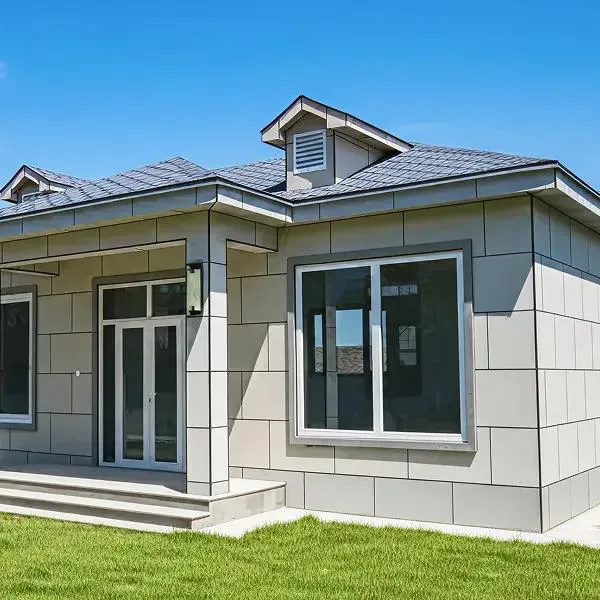
Prefabricated modular granny flats are independent residential units manufactured off-site in controlled factory environments and then transported to the installation location for quick assembly. Unlike traditional construction methods that require extensive onsite labor, weather dependency, and long building cycles, modular systems streamline the entire process by standardizing production and minimizing onsite work.
Each module is engineered with precision, including structural framing, insulation layers, electrical wiring, plumbing systems, and interior finishes. Once delivered, these modules are assembled like building blocks to form a complete living space that meets residential building codes and comfort standards.
Why Rapid Onsite Assembly Matters
One of the most significant advantages of modular granny flats is the speed of installation. Traditional home extensions or secondary dwellings may require several months of construction, while prefabricated systems can often be installed within days or weeks depending on site conditions and design complexity.
Rapid onsite assembly benefits homeowners in several ways:
Reduced Construction Disruption
Homeowners experience significantly less noise, dust, and disruption compared to conventional construction projects. Since most work is completed off-site, the installation phase is relatively quick and clean.
Lower Labor Dependency
Modular construction reduces reliance on large onsite construction teams, which helps mitigate labor shortages and associated cost fluctuations.
Predictable Timelines
Factory-controlled production ensures that delays caused by weather conditions are minimized, allowing for more reliable project scheduling.
Key Design Features of Modern Granny Flats
Modern prefabricated granny flats are no longer simple temporary shelters. They are designed to function as fully livable spaces that meet long-term residential needs. Common design features include:
…
For more detailed information on the guide to prefabricated modular granny flats for rapid onsite sssembly, please click here: https://www.hbfrmsteel.com/a/news/prefabricated-modular-granny-flats-for-rapid-onsite-assembly.html

