
1. Operational Efficiency and Cycle Time
The most immediate difference lies in how quickly each system completes a lining cycle. Manual formwork relies on hand-operated adjustments, repositioning of panels, and individual bolt tightening. A typical manual cycle for a single tunnel section can take anywhere from 12 to 24 hours, depending on crew size and experience.
In contrast, hydraulic tunnel lining formwork uses integrated cylinders and control systems to move, align, and lock the formwork in place with minimal manual intervention. A hydraulic system from Gaofei can reduce the cycle time to 4–6 hours — a 50–70% reduction compared to manual methods. This speed advantage directly translates into faster project completion and reduced labor costs.
Why It Matters
- Faster cycles allow more tunnel sections to be poured per day.
- Reduced time on critical path means earlier project handover.
- Lower exposure to delays from weather or other site factors.
2. Labor Requirements and Skill Level
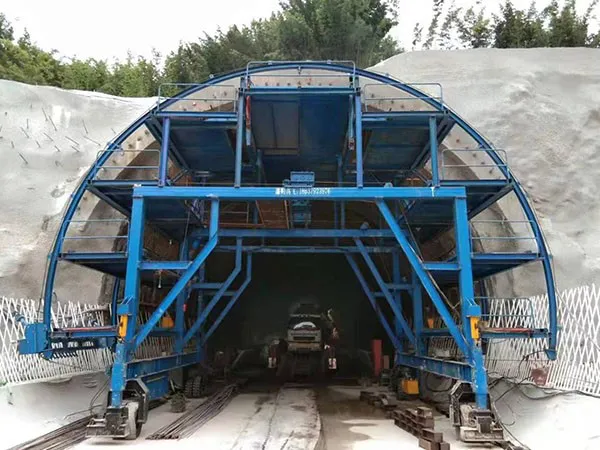
Manual tunnel lining formwork demands a larger crew of skilled carpenters, welders, and riggers. Each repositioning requires precise measurement, manual tightening, and careful alignment — tasks that are physically demanding and prone to human error. A typical manual crew might consist of 6–10 workers per shift.
…
For more information on the five main differences between hydraulic tunnel lining formwork and manual formwork, please click to visit:https://www.gf-bridge-tunnel.com/a/blog/hydraulic-vs-manual-.html

