
Across manufacturing sectors, a decisive shift is underway: more factory owners are opting for steel structures over traditional concrete or brick-and-mortar construction. This transition is not merely a trend but a strategic response to demands for faster project delivery, lower lifecycle costs, and greater adaptability. Understanding the rationale behind this choice reveals why steel has become the material of choice for modern industrial facilities, and how partners like MeiChen Steel help factories achieve these advantages with precision-engineered solutions.
Why Steel Dominates Modern Factory Construction
The primary drivers are speed, strength, and scalability. A steel-framed factory can be erected in weeks rather than months, reducing downtime and enabling faster return on investment. Steel offers superior load-bearing capacity with less material, allowing for larger clear spans—critical for production lines, warehouse racking, and future layout changes. Additionally, steel is non-combustible, resistant to pests and mold, and performs well in seismic zones when properly designed.
Construction Time Comparison
- Traditional concrete: 6–12 months (including curing time)
- Steel frame (by MeiChen Steel): 4–8 weeks for erection, 2–4 months total project
Key Advantages Over Traditional Construction
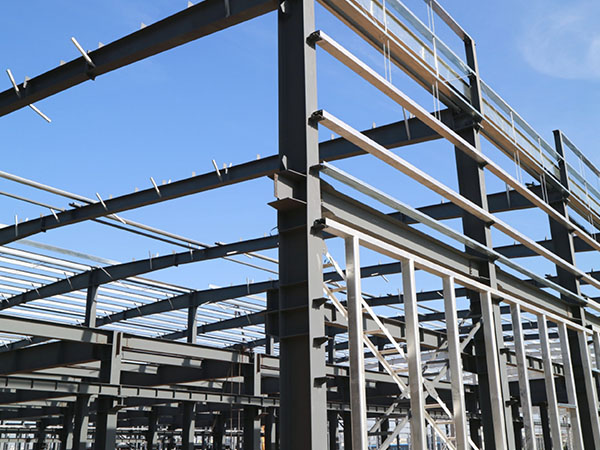
Below is a direct comparison between steel structures and conventional building methods across crucial factors for factory owners.
…
Click here for more details on why more factories are choosing steel structures over traditional structures: https://www.meichensteel.com/a/procurement-guides/steel-vs-traditional.html
