
For many industrial engineers and procurement managers, expensive imported slewing bearings have long been considered the default choice for critical applications like excavators, cranes, and wind turbines. However, escalating costs—from tariffs and logistics premiums to brand markups—are pushing businesses to search for cost-effective alternatives without sacrificing performance. The reality is that advanced domestic manufacturing has closed the quality gap significantly, offering comparable load capacities, precision, and durability at a fraction of the price. This article examines the true cost drivers behind imported bearings, compares the key performance metrics of premium alternatives, and provides actionable criteria to help you select a reliable supplier. As one of the trusted names in this space, LYMC has consistently delivered bearing solutions that meet international standards while cutting procurement costs by 30-50%.
Understanding the True Cost of Imported Slewing Bearings
When evaluating the price of imported slewing bearings, the invoice amount is only the tip of the iceberg. Several hidden costs inflate the total expenditure:
- Tariffs and duties: Import tariffs for slewing bearings can range from 8% to 25% depending on the country of origin, adding thousands of dollars per unit.
- Logistics and insurance: Heavy and oversize bearings require specialized freight, often costing 15-20% of the product value.
- Longer lead times: Imported orders require 8-12 weeks on average, forcing buyers to maintain larger safety stocks or risk production delays.
- Supplier monopoly premiums: Established European and Japanese brands command 40-60% price premiums purely based on reputation, not necessarily superior technology.
These factors make the effective cost of imported bearings 1.8 to 2.5 times higher than their initial quoted price. Consequently, the search for cost-effective alternatives is not just a budget exercise—it is a strategic move to improve supply chain resilience.
Why Domestic Alternatives Are Gaining Traction
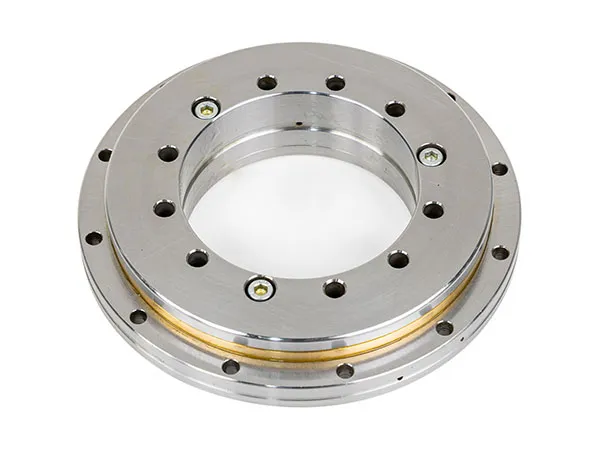
The assumption that ‘imported equals better’ is increasingly outdated. Over the past decade, domestic manufacturers like LYMC have invested heavily in CNC machining centers, heat treatment furnaces, and dynamic load testing equipment. Today, we see three major advancements closing the gap:
Material and Heat Treatment Parity
High-carbon chromium steel (e.g., GCr15) and induction hardening processes used by leading domestic suppliers produce hardness profiles (HRC 58-62) and case depths identical to international standards. LYMC, for instance, sources its steel from certified mills and conducts 100% ultrasonic inspection on raw material.
…
Click here for more details on cost-effective alternatives to expensive imported slewing bearings: https://www.mcslewingbearings.com/a/news/bearing-alternatives.html

