
For small and medium enterprises in the metal forming industry, the decision between purchasing a second-hand rolling mill or investing in a new one is rarely straightforward. Tight budgets and aggressive production targets push many owners toward the lower sticker price of used equipment. Yet the true cost of a rolling mill is not paid at closing—it is realized over years of operation through energy bills, downtime events, maintenance contracts, and product quality variations. This article presents a data-driven cost-benefit analysis tailored for SMEs, examining factors beyond the initial investment to help you determine which option aligns with your long-term business objectives. Whether you are scaling up or replacing aging machinery, understanding the full financial picture is essential.
Understanding the Core Question: Is Second-Hand Always Cheaper?
The immediate appeal of a second-hand rolling mill is obvious: purchase prices can be 40–60% lower than an equivalent new machine. However, the total cost of ownership (TCO) tells a different story. Research in industrial equipment economics consistently shows that the initial purchase price accounts for only a fraction of lifecycle costs. For a typical heavy machine like a rolling mill, energy consumption, maintenance, and downtime can represent 50–70% of total costs over a 10-year horizon. When evaluating a second-hand mill, SMEs must consider not just the upfront saving but also the probability of higher failure rates, obsolete control systems, and the availability of replacement parts.
Real Cost-Benefit Comparison: Beyond the Purchase Price
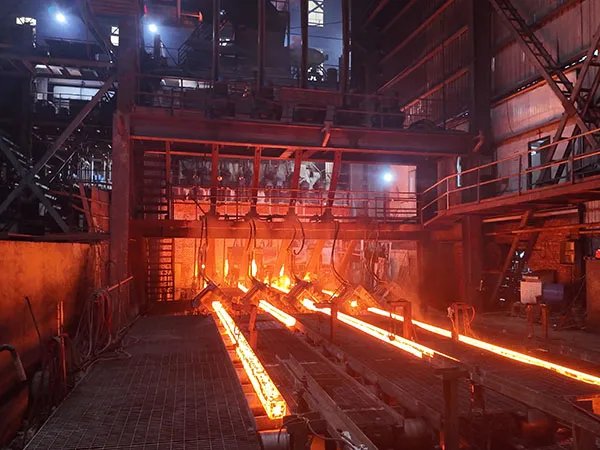
To make an informed decision, we break down the key cost and performance factors into a side-by-side comparison. The following list highlights the most critical differences:
- Purchase Price: Second-hand mills are 40–60% cheaper initially, but this does not account for required refurbishments or retrofits.
- Installation & Calibration: Older machines often need extensive reconditioning, adding 10–20% to the acquisition cost. New mills come pre-calibrated and supported by the manufacturer.
- Energy Efficiency: Modern rolling mills incorporate servo-driven systems and improved insulation, reducing energy consumption by 15–30% compared to models from 10 years ago.
- Production Efficiency: New mills feature advanced automation (e.g., PLC-controlled gap adjustment, real-time thickness monitoring) which can increase throughput by 20–40% and reduce scrap rates.
- Maintenance & Repairs: Second-hand equipment requires more frequent intervention. A study of SME manufacturers found that used rolling mills experienced unplanned downtime 3–4 times more often in the first year than new units.
…
For more detailed information on used and new rolling mills: a cost-benefit analysis for SMEs, please click to visit: https://www.gyssljx.com/a/news/rolling-mill-analysis.html

