
Important documents—property deeds, contracts, financial records, and identification papers—are irreplaceable. A house fire can reach temperatures exceeding 1,000°F, enough to reduce paper to ash in minutes. Fireproof steel cabinets provide a critical line of defense, offering certified protection that keeps your most valuable paperwork intact. Unlike ordinary filing cabinets, these specialized units are engineered with insulation and seals to withstand extreme heat. This article explains how fireproof steel cabinets work, what features matter, and how to choose the right model for your home or office. We also highlight how LAKSHYO designs solutions that meet rigorous safety standards.
Why Fireproof Steel Cabinets Are Essential for Document Protection
Fires can start from electrical faults, cooking accidents, or external sources. Once ignited, a fire can spread rapidly, reaching temperatures that destroy paper records in minutes. Ordinary metal filing cabinets offer no thermal protection; they conduct heat and can actually accelerate the destruction of their contents. Fireproof steel cabinets, by contrast, are engineered with layers of insulation and sealed doors to create a thermal barrier. This barrier keeps the internal temperature below the ignition point of paper for a specified period, giving you time to recover your documents after a fire is extinguished.
The Reality of Fire Damage to Documents
Paper begins to char and burn at approximately 451°F (233°C). In a typical building fire, temperatures can exceed 1,000°F. Even if flames do not reach a filing cabinet directly, radiant heat and hot gases can raise the internal temperature of an uninsulated cabinet above 451°F within minutes. Documents that are not incinerated may still suffer heat damage, making them illegible or brittle. Water and smoke damage from firefighting efforts add further risk. A fireproof steel cabinet addresses all these threats by maintaining a safe internal environment during a fire.
How Fireproof Steel Cabinets Work
These cabinets combine a steel outer shell with an insulating core. The insulation—often a proprietary blend of gypsum, ceramic fibers, or other heat-resistant materials—slows the transfer of heat. Intumescent door seals expand when exposed to high temperatures, closing gaps and preventing hot gases from entering. The result is a protected chamber that remains below the critical temperature for a rated duration. Independent testing laboratories, such as Underwriters Laboratories (UL), certify these ratings. A UL 72 Class 350 rating, for example, means the internal temperature stays below 350°F for a specified time, typically one, two, or four hours.
Key Features to Evaluate in a Fireproof Steel Cabinet
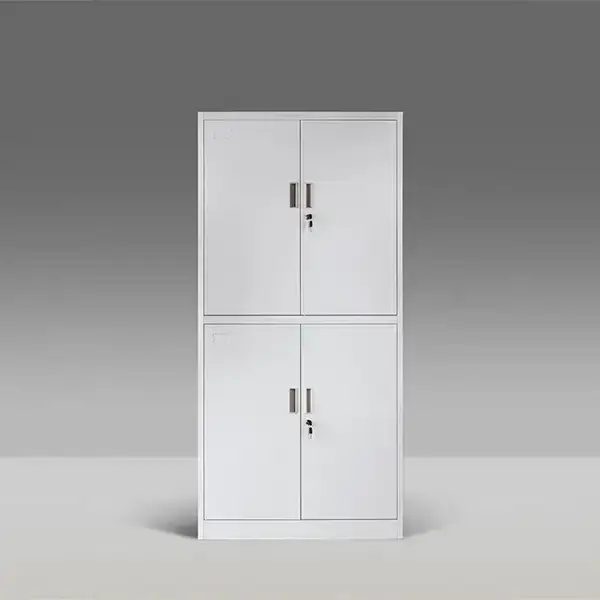
Not all fireproof steel cabinets are equal. Understanding the following features will help you select a model that meets your specific needs and provides reliable protection.
…
For more details on fire-resistant steel filing cabinets—and how they protect important documents—please click here: https://www.lakshyofurniture.com/news-center/fireproof-cabinets/

