
As peak season demand surges, food service businesses face a painful double blow: rising refrigeration loads and skyrocketing electricity bills. Standard single-compressor cold rooms struggle to maintain stable temperatures under heavy use, leading to frequent cycling, higher wear, and costly emergency repairs. The result? Your carefully planned budget gets shredded by unexpected energy and maintenance costs. Dual-compressor cold storage systems offer a proven alternative, intelligently matching cooling capacity to real-time demand and slashing operating expenses. In this article, TZY Kitchenware walks through the technology, the cost savings, and the strategic advantage of upgrading before your next busy period.
How Dual-Compressor Technology Works to Save Energy
A dual-compressor cold storage system uses two independent compressors—typically one primary and one secondary—that can run together or separately. During normal operation or light loads, only the smaller compressor runs, consuming less power. When the heat load spikes (e.g., frequent door openings, new hot stock), the second compressor engages to boost capacity without overworking either unit. This staged approach eliminates the inefficiency of a single large compressor that must cycle on/off frequently, which wastes energy and shortens lifespan. The result is a system that delivers only the cooling needed at any moment, reducing total energy consumption by up to 30–40% compared to conventional models.
Dual-Compressor vs. Single-Compressor: Key Cost Advantages
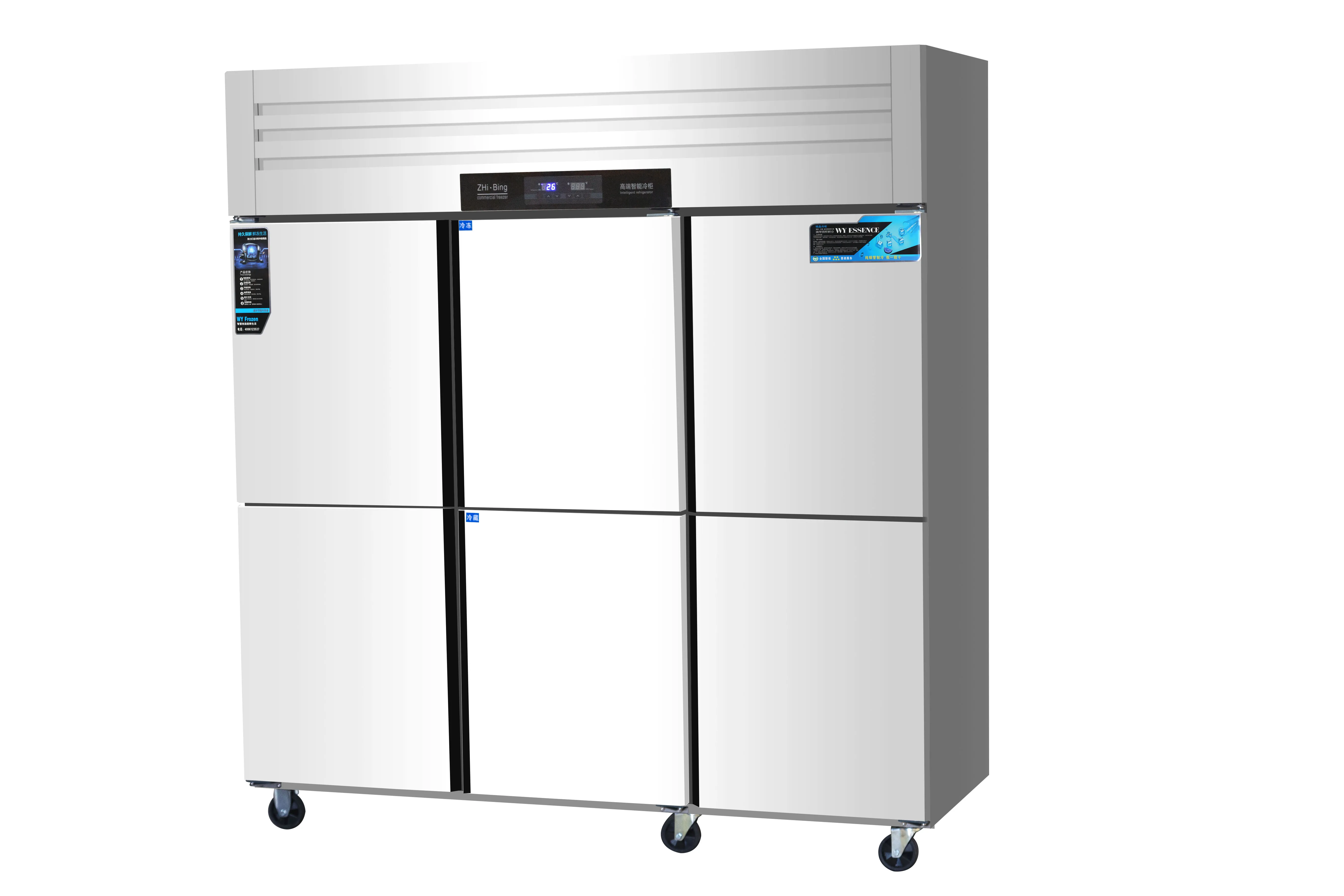
When evaluating cold storage for peak season, the choice between single and dual compressors directly impacts your bottom line. Here are the critical differences:
- Energy Efficiency: Single-compressor units run at full capacity or nothing; they cycle on/off frequently, causing power spikes. Dual-compressor systems modulate capacity, maintaining steady low power draw.
- Peak Demand Charges: Many utility bills include demand charges based on highest 15-minute usage. Dual compressors reduce peak draw, lowering these charges significantly.
- Maintenance Costs: Single compressors under heavy load overheat and fail more often. Dual systems share the workload, extending time between repairs by 40–60%.
- Temperature Stability: Frequent cycling in single compressors causes temperature swings of ±2–3°C, spoiling sensitive goods. Dual systems hold ±0.5°C, reducing product loss.
- Backup Redundancy: If one compressor fails in a dual system, the other maintains partial cooling—critical during peak season when downtime is catastrophic.
These factors compound: fewer repairs, less spoilage, lower energy bills, and reduced demand charges make dual-compressor installations pay for themselves within 18–24 months in most high-volume kitchens.
Why Peak Season Magnifies the Savings
During off-peak months, a single-compressor system might run acceptably. But peak season transforms the equation. Higher ambient temperatures, more frequent door openings, and hotter incoming product streams push cooling demand to its limits. A single compressor must run almost continuously, overheating and triggering protective cut-offs that cause temperature excursions. A dual-compressor system handles the same load by alternating between compressors or running both in parallel, maintaining consistent performance without thermal stress. Energy bills during peak months can be 50–80% higher for single-compressor systems; dual-compressor users typically see only a 15–25% increase. That difference directly protects your peak-season profit margins.
TZY Kitchenware’s Dual-Compressor Cold Storage Solutions
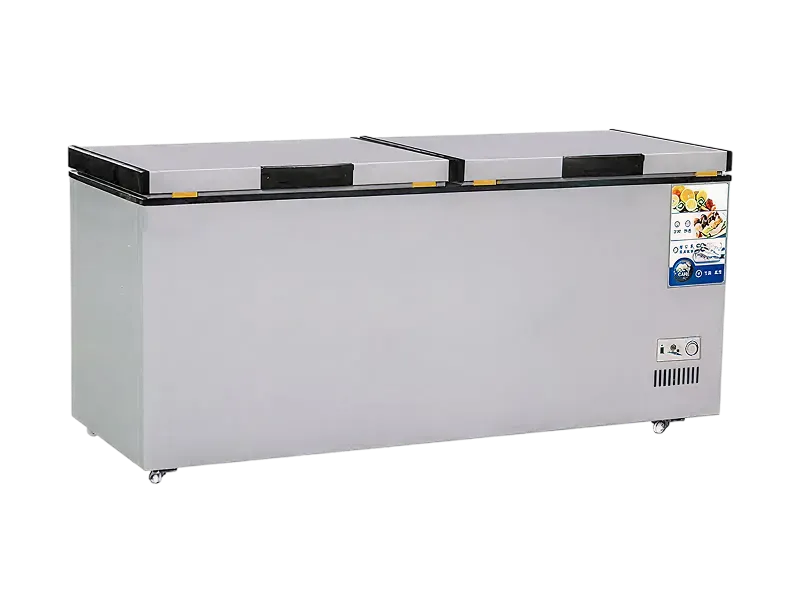
For businesses planning to upgrade, TZY Kitchenware offers a comprehensive line of dual-compressor cold rooms engineered for commercial kitchen reliability. Each unit features heavy-duty scroll compressors, smart controllers that automatically balance load between compressors, and premium insulation panels that minimize heat ingress. TZY Kitchenware systems are available in modular sizes from 10 m³ to 100 m³, with optional remote monitoring that tracks energy use and alerts you to maintenance needs. Every system is backed by a 5-year compressor warranty and local service support during peak seasons. Clients report an average 32% reduction in monthly refrigeration costs after switching—and many recover their investment before the second peak season ends.
…
For more details on how a dual-compressor cold storage unit can help you save on your budget during peak season, please click here: https://www.tzykitchenware.com/a/news/dual-compressor-savings.html

